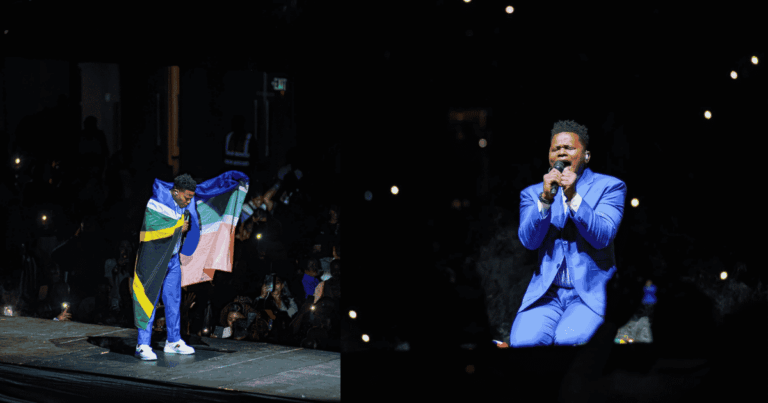


Sol Phenduka defends absent fathers
Well-known radio host Sol Phenduka has sparked significant debate on social media following his response to a video featuring media personality Gogo Skhotheni, who raised the question of whether fathers who fail to provide financial support should have visitation rights with their children.
Phenduka expressed that access to one’s child should not be seen merely as a privilege linked to financial contribution but rather as a basic right that serves the emotional and mental welfare of the child.
“Seeing the child is a form of support, mentally and emotionally for the child,” he wrote.
“Seeing your child is not a reward. It’s a right! Let the deadbeat see the child. The child will realise as they grow up what their dad is.”
He cautioned that preventing a father from seeing his child as punishment may have negative consequences for the child in the future.
“You punishing a dad by refusing him access to the child, that child will hate you when he grows up and realises what you’ve been doing,” Sol added.
Phenduka’s comments elicited a range of responses online, inciting both support and criticism from various users.
Among those who contributed to the discussion was author and podcaster Penuel Mlotshwa, who provided a more critical analysis of the issue.
“I don’t think a father who doesn’t support his kids should see the kids,” Mlotshwa remarked. While he recognized that time spent together can be beneficial, he raised concerns about the realities of child care.
“Yes, quality time can be seen as a form of support… but what was that child eating before they came to you, what are they wearing, who paid for transport to get to you, who paid for the data to communicate with the mom?”
Mlotshwa contended that even fathers without jobs should attempt to contribute materially.
“Even unemployed gents can hustle second-hand clothes or fruits/vegetables for a child to show intent to contribute. They can loan money from family,” he stated.
He also mentioned that access should still be granted if the mother is facing similar financial difficulties.
“In a situation where the babymama also has no money and relies on the child grant, she has no right to deny access,” he emphasized.
However, Mlotshwa argued that financial obligations should not be determined solely by the mother.
“It’s not the mom who must decide how much financial support is enough. The father must calculate fair value for the child’s living costs per his lifestyle measure and send half,” he explained.
He concluded by promoting the idea of engaged fatherhood, asserting, “Men who are denied access while maintaining their kids or trying to, must also stop.”