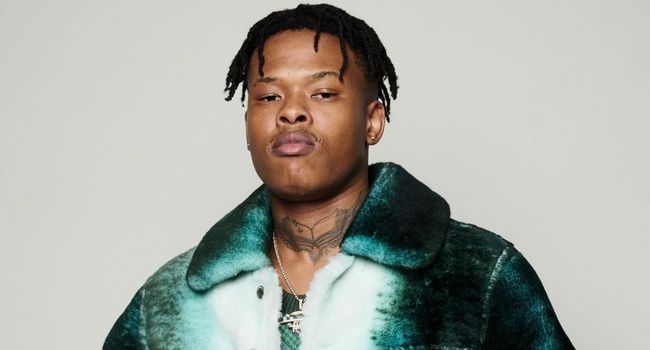
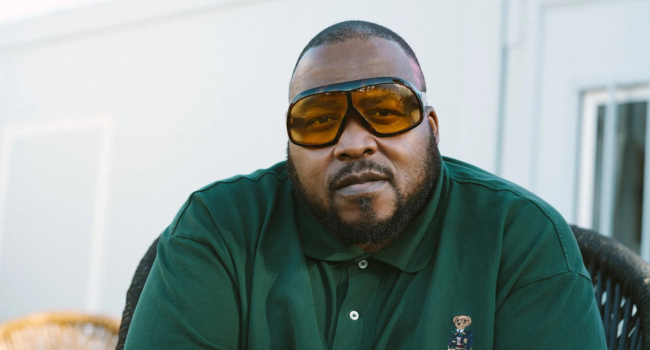
“I rap, he doesn’t” — Stogie T On Long-Dormant Relationship With Reason. In an upcoming episode of the L-Tido Podcast, veteran South African rapper Stogie T offered a straightforward and pointed perspective on his long-absent musical partnership with fellow MC Reason, who now goes by Sizwe Alakine.
 “I rap, he doesn’t” — Stogie T On Long-Dormant Relationship With Reason
In the podcast, host L-Tido inquired, “What’s your relationship with Reason (Sizwe Alakine) right now? You haven’t worked with him for a very long time, musically.”
Stogie T replied promptly and candidly: “Yeah, but I rap, he doesn’t. What did he do? He does amapiano, doesn’t he?”
This comment illustrates a perceived split in their creative trajectories. Stogie T, recognized in South African hip-hop for his elaborate lyricism and contributions to tracks like the recent “Four Horsemen” featuring A-Reece, Nasty C, and Maggz, continues to focus on rap.
Meanwhile, Reason, who gained recognition in the mid-2000s as a battle rapper and collaborator on various projects, including those with Stogie T, has undergone a significant transformation since 2021. He has rebranded as Sizwe Alakine and transitioned to amapiano music, releasing hits like “Khanda Shisa” with DJ Maphorisa.
He has embraced the genre’s characteristic log drum and piano-house rhythm that has become popular in South Africa and beyond. The two artists have not collaborated musically in years, which L-Tido highlighted in his inquiry.
Stogie T’s response, laced with dry wit and a sense of dismissal, seems to suggest that Reason’s move away from hip-hop may signify a departure from authentic rap. This perspective resonates with ongoing discussions within South African music communities regarding loyalty to genre, changes in artistic direction, and the definition of staying “true” to hip-hop roots.
In previous interviews, Reason has discussed his attraction to amapiano as a sound that reflects his South African roots and personal connections, even drawing parallels to the kwaito music that influenced him in his youth.
Listeners can expect more from the L-Tido Podcast as it promises to unfold further discussions about the history of South African hip-hop and the potential for underlying tensions.