The rise of artificial intelligence is increasingly a topic of debate within creative sectors, where some express concerns about potential job losses while others view it as a beneficial asset for advancement.
As AI becomes integrated into business and artistic realms, South African musicians are voicing their opinions on the matter.
This discussion gained traction following the success of former podcaster Rea Gopane, whose AI-generated track Suka! soared to the top of the streaming charts, garnering thousands of monthly listeners and reaching first place on Apple Music South Africa’s Top 100.
His achievement stirred dialogue about whether AI contributes positively to creativity or poses a threat to it.
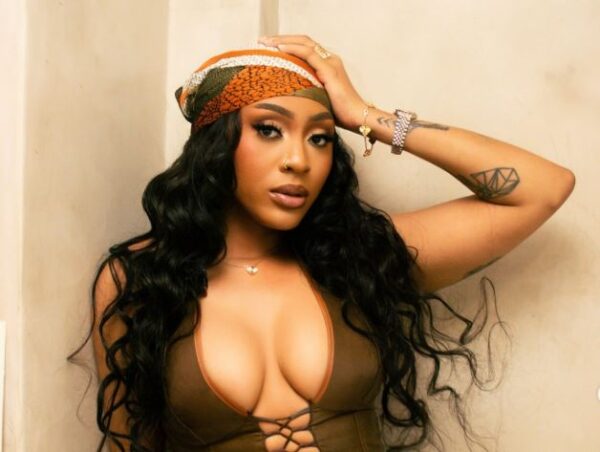
Rapper Nadia Nakai has shared her insights on the topic, conveying that while she incorporates AI into her business practices, she is firm against allowing it to replace genuine human creativity.
Describing her methodology, Nakai noted that she utilizes AI to enhance existing creative projects rather than produce them from the ground up.
“I use a lot of AI in my business,” she said. “The one thing I don’t like doing is generating AI from scratch. I want to shoot a photoshoot, then use AI to amplify those images that were shot by an individual that has creativity and skills behind it.”
She emphasized the significant role AI plays for small business owners who may not have the funds for extensive promotional campaigns, enabling them to showcase their products more attractively and competitively.
“I think it’s helped a lot of these small business owners who can’t afford these amazing photoshoots and campaign-level images to push their products,” she commented.
Nonetheless, Nakai clarified that her endorsement has boundaries. “I’m an advocate for AI apps that help us push our products and make them look professional, amazing and world-class,” she remarked.
“I’m not an advocate for AI that’s replacing the creativity of individuals.”
She acknowledged that finding the right equilibrium remains a challenge, particularly in fields centered on human creativity.
“I’m always torn between the two: how much do I use AI for my business in my marketing, and how much do I use real people? Because I don’t want to kill the industry, but AI is always amplifying things.”
As AI continues to alter the landscape of music, marketing, and content creation, Nakai’s viewpoint resonates with many in the creative sector who regard technology as a facilitator of human talent rather than a replacement.