
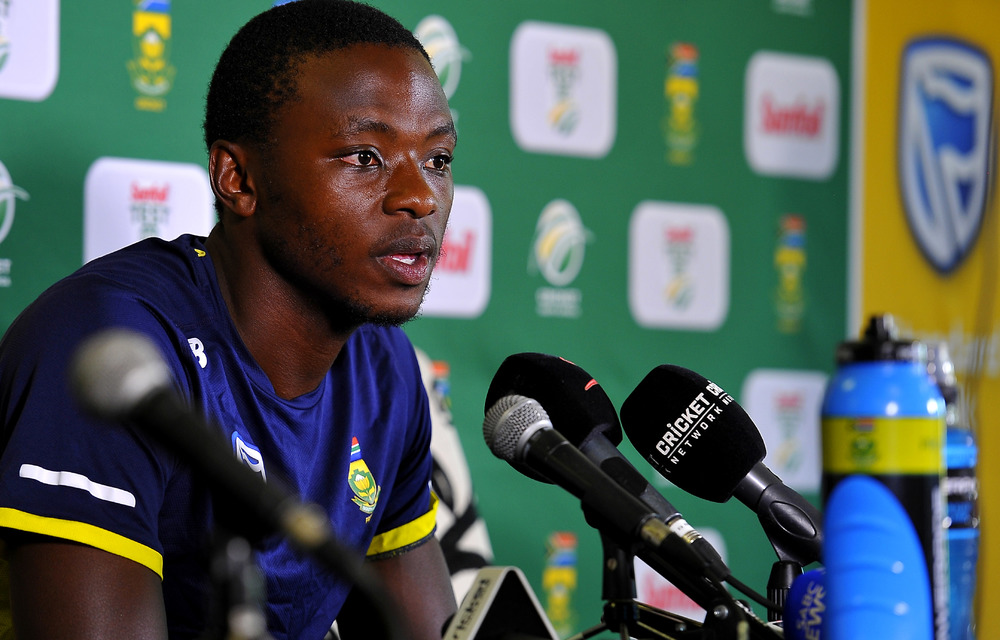
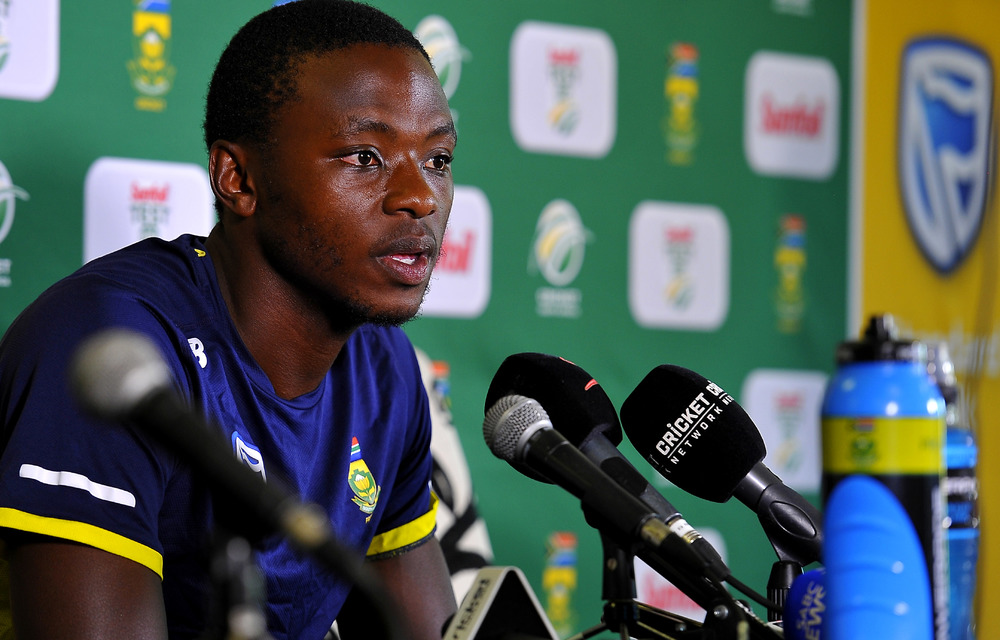
Proteas bowler Kagiso Rabada.
In the quieter sections of the Narendra Modi Stadium in Ahmedabad, where the dust of the Super Eights has settled, Kagiso Rabada displays the demeanor of someone who has faced adversity and found a path forward.
South Africa has advanced to the semifinals of the 2026 T20 World Cup, boasting an impressive six wins. While the record suggests a dominant performance, the reality on the field has been filled with challenges. For Rabada, regarded as one of the top fast bowlers in the sport, the path to this stage has been shaped by a near-miss and a significant change in his responsibilities within the pace attack.
The Proteas secured their place in the knockout stage after defeating the West Indies by nine wickets on Thursday, yet Rabada’s thoughts lingered on a previous match against Afghanistan. That encounter nearly derailed the team’s aspirations due to an unfortunate overstep.
Rabada took the wicket of Noor Ahmed, which was thought to be the last out. However, the umpire’s call led to chaos, with a replacement of bails and the match slipping into two dramatic Super Overs. As the leading bowler, Rabada had to watch from the sidelines as Lungi Ngidi and Keshav Maharaj executed a timely recovery.
“I’m glad we won that game,” Rabada remarked after the victory over the West Indies, finally addressing the media. “Otherwise, I would have blamed myself for sure. On the positive side, I made it interesting but if we had lost, I would have taken it quite heavily, to be honest.”
He reflected on the experience with a straightforward lesson: “Get behind the line. Simple as that.”
A tactical adjustment: Markram’s strategy
The match report from the West Indies contest highlights a decisive strategy. Chasing a target of 177 on a challenging Ahmedabad pitch, Aiden Markram (82) and Quinton de Kock (47) effectively dismantled the West Indies bowling attack, completing the chase with 23 balls remaining.
However, the groundwork for this victory was laid in the first over of the second innings. In a smart tactical decision, Markram brought in Rabada to replace an ineffective Keshav Maharaj after just six deliveries. Rabada responded with the fierce bowling that has characterized his career, claiming key wickets of Shimron Hetmyer and Shai Hope in his opening over.
“He’s been leading from the front, as he’s always done,” Markram commented, praising his team’s spearhead. “It doesn’t always reflect in the numbers but behind closed doors, he’s sharing a lot of information. He puts a lot of love into this team.”
While Rabada reignited the team’s energy, the standout performance of the tournament has been from Lungi Ngidi. With 11 wickets to his name, Ngidi shares the lead for the most wickets with Tabraiz Shamsi. His effective off-cutter has consistently confounded renowned batsmen.
Rabada, always eager to learn, admits he has yet to decipher his teammate’s signature delivery. “It’s incredibly hard. Everyone’s asking him, ‘What do you do?’ and he says it’s simple but it’s difficult,” Rabada said with a chuckle. “For instance, no one can bowl that off-cutter like Lungs and no one can bowl the knuckleball like Plank [Marco Jansen]. It’s a network.”
This “network” has meant Rabada has seen fewer wickets himself, with only four so far in the tournament, but he is not discontent. “When you think about it, more often than not, it goes for you. Unfortunately, now it hasn’t been but the most important thing is that we’ve been winning.”
The path forward
As South Africa prepares for the semifinals, they enter as one of the most balanced teams in the competition. They have come back from positions of weakness against India; they have withstood two Super Overs against Afghanistan; and they have confidently chased down substantial totals against the West Indies.
For Rabada, the stakes are particularly high. He has evolved from being solely the “fastest man in the room” to becoming a critical stabilizing presence. He has embraced the understanding that a hero’s journey may sometimes involve stepping back while others shine.
“We’ve got a team that’s pretty experienced, mixed with a bunch of young players,” Rabada noted, gazing towards the knockout matches. “I guess it’s just about doing more of the same and hoping that it falls our way.”