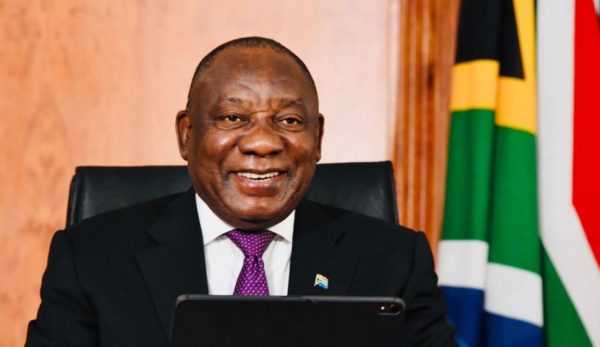
President Cyril Ramaphosa will be delivering the keynote speech at the commemoration of National Women’s Day at the Union Buildings in Pretoria on Sunday, marking 70 years since the historic Women’s March of 1956.
PRETORIA – President Cyril Ramaphosa is set to present the keynote address during South Africa’s National Women’s Day observance at the Union Buildings in Pretoria at 10:00 on Sunday, August 9, 2026.
This year’s event commemorates the 70th anniversary of the iconic Women’s March on August 9, 1956, when over 20,000 women descended on the Union Buildings to protest the apartheid regime’s extension of pass laws to women.
The theme for this year’s commemoration is “Empowered Women, Empower Nations,” with an emphasis on women’s healthcare.
The Presidency has noted that the program will underscore the necessity of providing women with access to quality healthcare, labeling this as vital for promoting social justice, sustainable development, and economic advancement.
The 1956 Women’s March remains one of the key acts of collective resistance in South African history.
Prominent figures such as Lilian Ngoyi, Helen Joseph, Rahima Moosa, and Sophia Williams-De Bruyn led women from various racial and cultural backgrounds to the Union Buildings to present petitions against pass laws.
The march resulted in the powerful declaration, “Wathint’ Abafazi, Wathint’ Imbokodo,” which translates to “You strike a woman, you strike a rock.”
Seventy years later, this anniversary offers a chance to pay tribute to the bravery of the women who took part in the march while reflecting on the progress South Africa has made in tackling issues facing women today.
Ramaphosa is expected to address ongoing issues such as gender-based violence and femicide, access to healthcare for women, unemployment, economic participation, and government initiatives aimed at promoting gender equality.
His address will also serve as a platform for the President to report on the government’s advancements in improving women’s lives and enforcing policies designed to protect their rights.
However, this year’s commemoration occurs amid persistent violence against women, high unemployment rates, poverty, and unequal access to healthcare and economic resources.
Numerous women, especially those in rural areas, informal settlements, and marginalized communities, still face challenges in accessing essential public services.
Moreover, South Africa’s alarming rates of gender-based violence and femicide are anticipated to remain key topics during the celebrations.
Ramaphosa’s speech is likely to come under examination regarding whether it incorporates specific commitments, new strategies, and concrete timelines, as opposed to reiterating previous promises made during past Women’s Month commemorations.
Special focus will be directed towards any announcements regarding governmental actions to combat gender-based violence and femicide, healthcare accessibility, job creation, and support initiatives for women-owned businesses.
The President might also take this opportunity to propose measures to enhance women’s roles in the economy and leadership positions.
This address is expected to deliver one of the day’s most significant political messages, particularly as the nation reflects on the disparity between the constitutional guarantee of equality and the everyday realities faced by countless women.
The importance of the 70th anniversary transcends the official ceremony and the President’s speech.
It raises crucial questions for public consideration: How much has truly changed for women in South Africa since the march in 1956?
Although women have gained constitutional rights and greater representation in political and professional spheres, issues such as violence, unemployment, poverty, insufficient healthcare, and economic exclusion continue to afflict millions.
MDNtv plans to evaluate the most significant policy proclamation or accountability statement from Ramaphosa’s speech and assess it in relation to available data.
The National Women’s Day observance is set to commence at 10:00 at the Union Buildings in Pretoria.