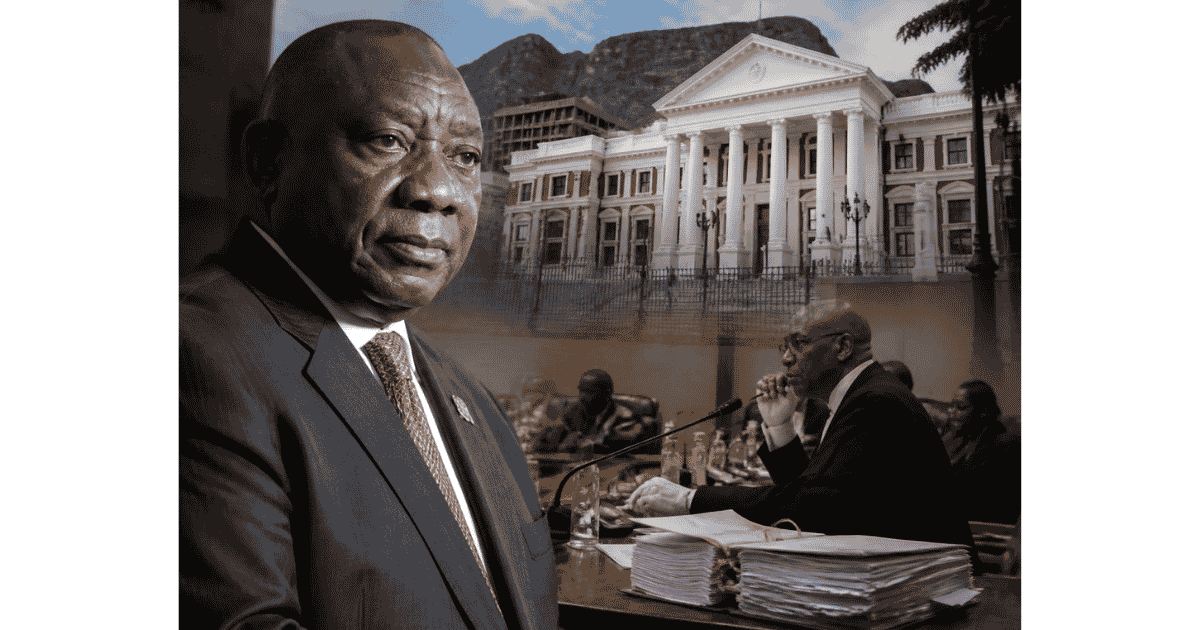
CAPE TOWN, 9 AUGUST 2026 — The impeachment proceedings against President Cyril Ramaphosa related to the Phala Phala matter have encountered a new procedural hurdle. This follows the African National Congress’s announcement regarding the advocate chosen to lead the inquiry, who has previously provided legal advice to the party concerning Section 89 parliamentary processes.
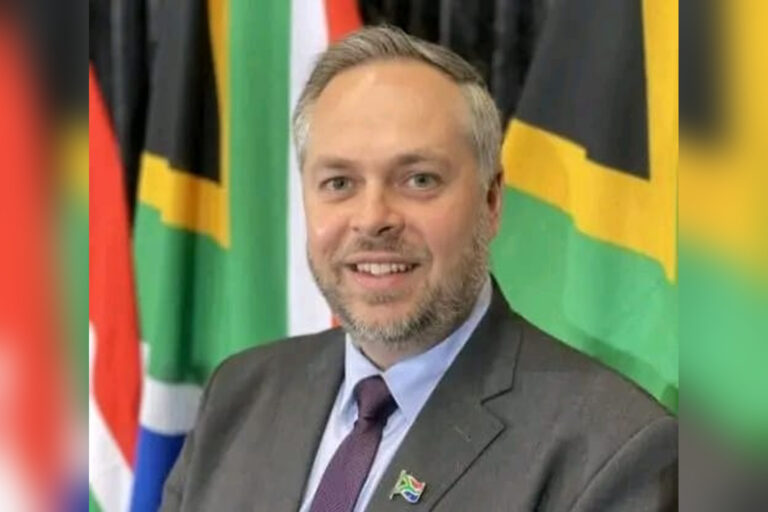
On Saturday, August 8, 2026, National Assembly Speaker Thoko Didiza confirmed receiving a notification from ANC Secretary-General Fikile Mbalula regarding Advocate T G Madonsela SC.
Madonsela was put forward by the Section 89 Impeachment Committee as its evidence leader.
The ANC clarified that it had informed the Speaker about Madonsela’s prior involvement with the party on issues related to Section 89 rules and processes.
Nonetheless, the ANC specified that this communication should not be interpreted as a formal objection to Madonsela’s appointment.
The party also affirmed that it does not impugn the advocate’s integrity or capability.
“The ANC states that the disclosure does not constitute an objection to the committee’s decision, nor does it question the integrity or independence of Adv Madonsela SC,” Parliament said.
The ANC was keen on ensuring that Madonsela’s previous relationship with the party was officially noted before finalizing the appointment.
DIDIZA REFERS MATTER TO IMPEACHMENT COMMITTEE
Didiza has sent the ANC’s notification to the chairperson of the Section 89 Impeachment Committee for their assessment.
The Speaker noted that the issue lies within the committee’s jurisdiction and should be handled according to its established guidelines.
According to Parliament, Didiza will not preempt the committee’s discussions or make any determinations on matters that fall within its purview.
The committee must evaluate whether Madonsela’s past legal engagements with the ANC affect his suitability to act as the evidence leader.
Madonsela’s appointment remains pending. Upon conclusion of the committee’s decision-making process, Parliament’s administration is anticipated to oversee the relevant procurement and administrative tasks.
CLOSELY CONTESTED SELECTION PROCESS
Madonsela emerged as the recommended choice after a closely contested vote among impeachment committee members.
He secured nine votes while Advocate Kate Hofmeyr SC garnered seven.
The ANC, Patriotic Alliance, and Al Jama-ah opted to abstain from the vote.
The revelation regarding Madonsela’s prior work with the ANC may become a focal point of discussion as the committee aims to establish a credible, fair, and independent process.
The evidence leader will play a crucial role in the inquiry by assisting the committee in identifying, presenting, and evaluating the evidence before them.
This previous professional connection could draw scrutiny, regardless of the absence of a formal objection.
RAMAPHOSA COULD BE ASKED TO APPEAR
This development arises as the committee has decided to invite Ramaphosa to appear during the inquiry.
Legal advisors in Parliament reportedly informed committee members that the National Assembly’s oversight role could necessitate the President answering questions.
Typically, Ramaphosa would first be invited to attend the committee.
The committee is currently fine-tuning its terms of reference and determining the methods of presentation, examination, and testing of evidence throughout the impeachment process.
Whether Ramaphosa ultimately appears could become a significant issue for the inquiry.
COURT BATTLE OVER ORAL EVIDENCE
The impeachment process runs concurrently with ongoing litigation regarding the Phala Phala issue.
The Western Cape High Court had previously issued an order to temporarily halt public oral hearings until Ramaphosa appeals the findings of the independent Section 89 panel.
The order does not impede Parliament from continuing its preparatory and administrative functions, including refining the committee’s processes and deliberating on the appointment of an evidence leader.
Parliament and various political factions are working to overturn the court order to enable the inquiry to proceed with oral evidence hearings.
The legal proceedings could significantly influence when and how the committee conducts testimony from witnesses.
WHAT IS THE PHALA PHALA MATTER?
The controversy stems from the theft of foreign currency from Ramaphosa’s Phala Phala game farm in Limpopo in February 2020.
The incident escalated into a major political issue, raising questions about the source of the funds, the reporting of the crime, and the pursuit of the suspects.
Ramaphosa asserts that the money was generated through legitimate sales of game and has consistently denied any wrongdoing.
An independent Section 89 panel previously indicated that Ramaphosa might have a case to answer.
The President disputes the findings and is in the process of contesting them.
WHY THE LATEST DEVELOPMENT MATTERS
The evidence leader will significantly influence the structure of evidence presentation and examination before the impeachment committee.
The acknowledgment that Madonsela previously advised the ANC concerning Section 89 rules might contribute to the wider political and public discourse regarding the inquiry’s integrity.
The committee may choose to retain Madonsela after reviewing this disclosure, ask for additional insights into his earlier work, or revisit its recommendation.
This new development could also introduce further procedural discussions before the committee moves on to substantive evidence regarding Phala Phala.
At this stage, it remains essential to note that the ANC has documented Madonsela’s previous professional association with the party without formally objecting to his appointment or calling into question his integrity and independence.