The spectacle of the South African Music Awards was dimmed by a recurrent sight on Saturday night: vacant seats and unawarded trophies.
The 32nd South African Music Awards took place at the Sun City Superbowl, branded as the “Homecoming Edition,” showcasing some of the nation’s top musical figures. However, many category winners were noticeably missing during the announcement of awards.
Instead of artists taking the stage to receive their sought-after SAMA trophies, several remained uncollected.
These absences quickly became a central topic of discussion, prompting renewed inquiries into the value of the country’s premier music awards and whether they still hold significance for some of South Africa’s leading artists.
Empty Seats Cast Doubt at SAMA32
Coverage from the ceremony highlighted a significant number of vacant seats as the awards unfolded.
Numerous winners failed to show up to accept their awards, leading audiences, including those watching from home, to ponder the reasons behind the absence of some of the nation’s most revered musicians.
This issue isn’t entirely unprecedented.
Previous SAMA events have also drawn criticism for the conspicuous absence of leading artists, particularly from the Amapiano movement and other major genres, even when they were nominated or had won awards.
The ongoing trend has ignited a broader discussion about the connection between artists and the awards recognizing their contributions.
Proposals for a “No Show, No Award” Policy Gain Traction
Reactions from the public were immediate, with social media users and music analysts questioning whether winners should be allowed to keep their awards in the absence of their participation in the ceremony.
One of the ideas that gained traction is a more stringent “no show, no award” policy.
Advocates for this approach argue that winning a SAMA should entail more than merely receiving a trophy. They contend that artists acknowledged by the industry should also make an effort to attend and engage in the event, unless valid circumstances prevent them from doing so.
On the other hand, critics of this policy may argue that artists might have legitimate professional, logistical, or personal reasons for their absence.
Nevertheless, this discourse underscores a more profound question: What significance does a SAMA win hold if the artists themselves are frequently missing from the ceremony?
A Night Full of Memorable Moments
Despite the empty chairs, SAMA32 proceeded with performances and notable honors as organizers marked another milestone in South African music history.
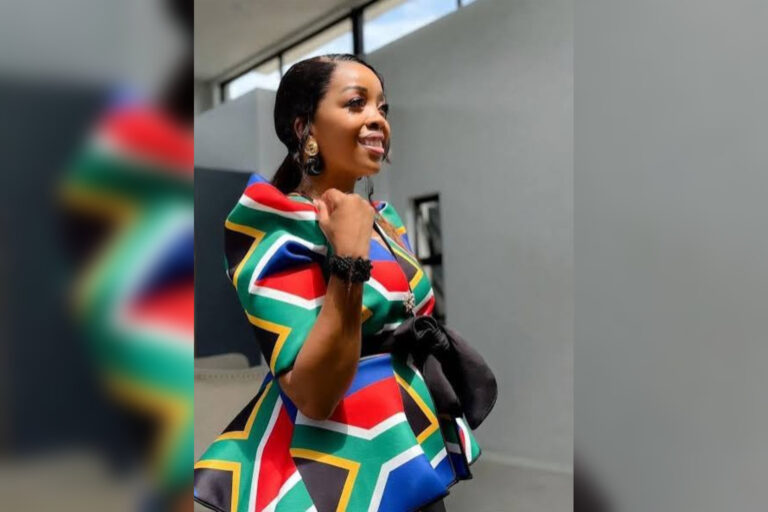
Rapper Cassper Nyovest and broadcaster Zanele Potelwa hosted the ceremony, which was aired on SABC1.
Significant moments of the night included recognition for international star Tyla and a lifetime achievement award for veteran figure Oskido.
These acknowledgments contributed to the ceremony’s highlights, though the attendance issue remained a focal point in discussions surrounding the event.
Examining the Reasons for Artist Absences
The reasons behind the artists not showing up remain ambiguous.
For a section of artists, logistical issues might be a factor. Others could have prior engagements, while some might be reconsidering the value of attending the SAMAs.
The broader question also pertains to the changing dynamics between major music awards and the artists they honor.
As South Africa’s music scene evolves, artists are increasingly finding alternative platforms to engage audiences, promote their music, and gauge success. Metrics such as streaming statistics, social media presence, and global recognition have become crucial indicators of an artist’s stature.
This evolution may be influencing perceptions about the relevance and status of conventional award ceremonies.
Currently, it appears that the empty seats will not overshadow the accomplishments of the winners. However, the growing pattern of nominees and winners being absent is hard to overlook.
The Larger Question from SAMA32
The SAMAs remain pivotal in the South African music landscape, yet SAMA32 has once again revealed a challenge that organizers must address.
If the nation’s leading artists are winning awards but failing to attend, the implications extend beyond mere empty chairs.
This scenario raises essential questions regarding how the awards can enhance their connection with artists and revive the sense of occasion that once made the SAMAs a highly anticipated event on South Africa’s entertainment calendar.
As the conversation continues, the trophies were distributed, but the empty seats from SAMA32 may linger as one of the most memorable aspects of the evening.