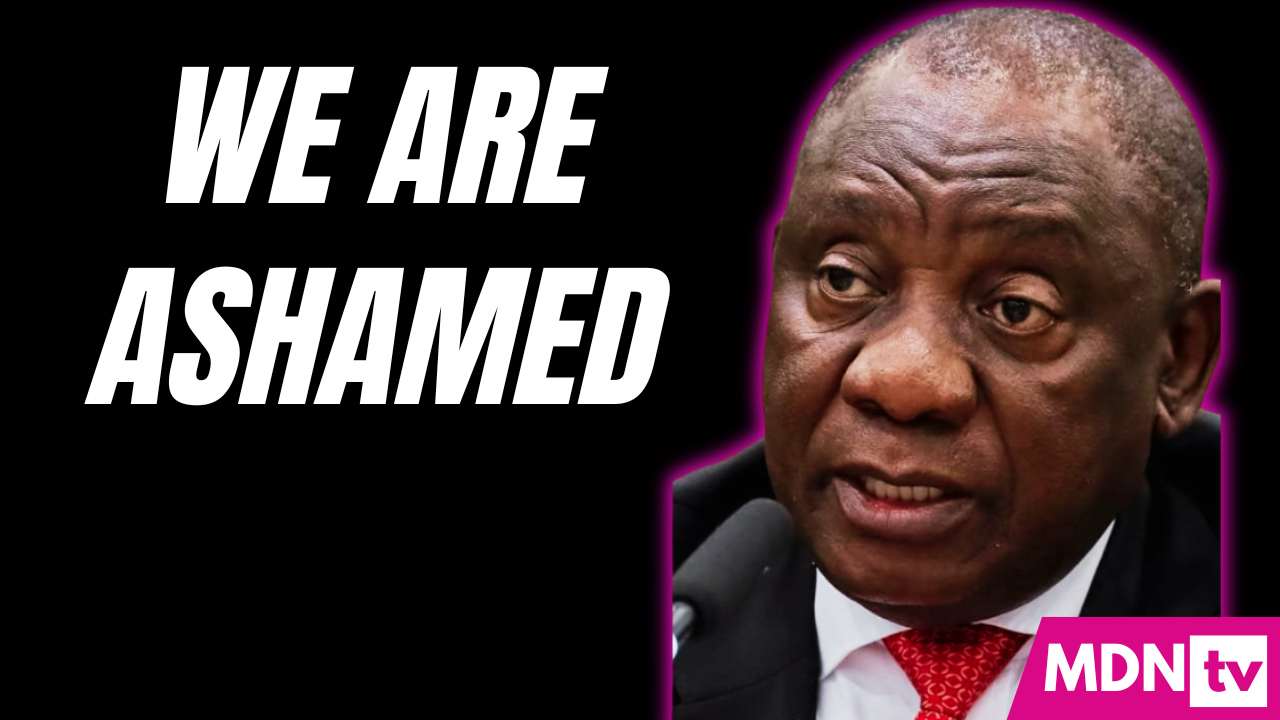
President Cyril Ramaphosa has spoken out against the violence and harassment faced by foreign nationals in South Africa, expressing that the nation feels “deeply ashamed” of how individuals from neighboring countries have been treated.
These statements were made as leaders from Southern Africa convened in Durban for the 46th Ordinary Summit of the Southern African Development Community (SADC), drawing attention to the escalating immigration-related tensions in South Africa.
During a lecture at the University of KwaZulu-Natal on Friday, Ramaphosa emphasized that antagonism towards foreign nationals is in direct opposition to the regional solidarity that SADC was established to promote.
“As South Africans, we are deeply concerned and ashamed that nationals from other countries have in recent months been subjected to discrimination and ill-treatment,” he said.
The president denounced the unlawful actions of a small fraction of the population, cautioning that South Africa cannot advocate for enhanced regional unity while its African neighbors experience threats and marginalization.
“We cannot preach integration at summits and practise exclusion in the streets.”
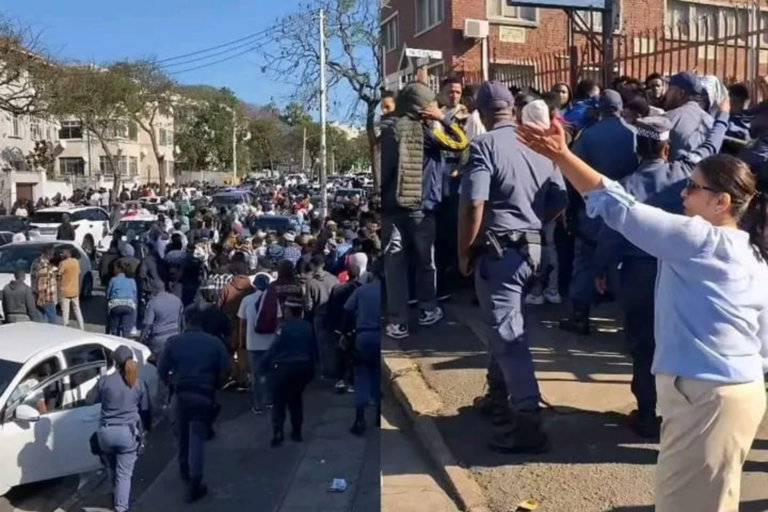
Ramaphosa’s comments follow a period of escalating anti-immigrant sentiment in South Africa, characterized by protests and initiatives aimed at undocumented migrants.
Some of these protests have turned violent, with calls for undocumented foreign nationals to depart from the country.
An unofficial deadline set for the end of June heightened anxiety within migrant communities, contributing to an atmosphere of uncertainty for many residing in South Africa.
Reports suggest that upwards of 178,000 nationals from other African countries, including Malawi, Zimbabwe, and Mozambique, have exited South Africa either voluntarily or through deportation.
These circumstances have prompted the government to confront issues surrounding illegal immigration while striving to avert vigilante actions and assaults against foreign individuals.
Ramaphosa asserted that true regional integration cannot flourish if individuals are subjected to violence or intimidation based on their nationality.
He urged SADC member states to tackle the root causes driving migration within the region, such as conflict, poverty, and failures in governance.
The president referenced the bloc’s long-term Vision 2050, which aims for deeper regional integration and cooperation, including facilitating more orderly and legal migration.
His remarks were especially pertinent as regional leaders gathered in Durban to deliberate on the future of Southern Africa.
However, for South Africa, the challenge extends beyond regional considerations and into domestic issues.
Public concerns about unemployment, crime, strains on public services, and competition for economic opportunities have fueled discontent regarding immigration. The government has responded by stepping up immigration enforcement while consistently denouncing vigilantism and unlawful harassment.
Ramaphosa’s comments underscore the complex situation confronting his administration.
On one hand, there is increasing public demand for stricter measures against undocumented migrants. On the other, South Africa remains committed to the ideals of African solidarity and regional collaboration.
The president’s statements suggest a desire from Pretoria to clearly differentiate between lawful immigration enforcement and allowing communities to take justice into their own hands.
As SADC leaders convene in Durban, South Africa’s approach to foreign nationals has evolved into a significant issue that tests the country’s dedication to the regional integration it advocates.
For migrants who have experienced intimidation, displacement, or unrest, Ramaphosa’s condemnation serves as a recognition of the struggles they face.
Yet, the pressing question remains whether political pledges towards regional solidarity can materialize into tangible measures, as South Africa navigates the economic and social challenges that drive public discontent.