High Court Delivers Justice after 38 Years for Chaipus Nyoka’s Murder
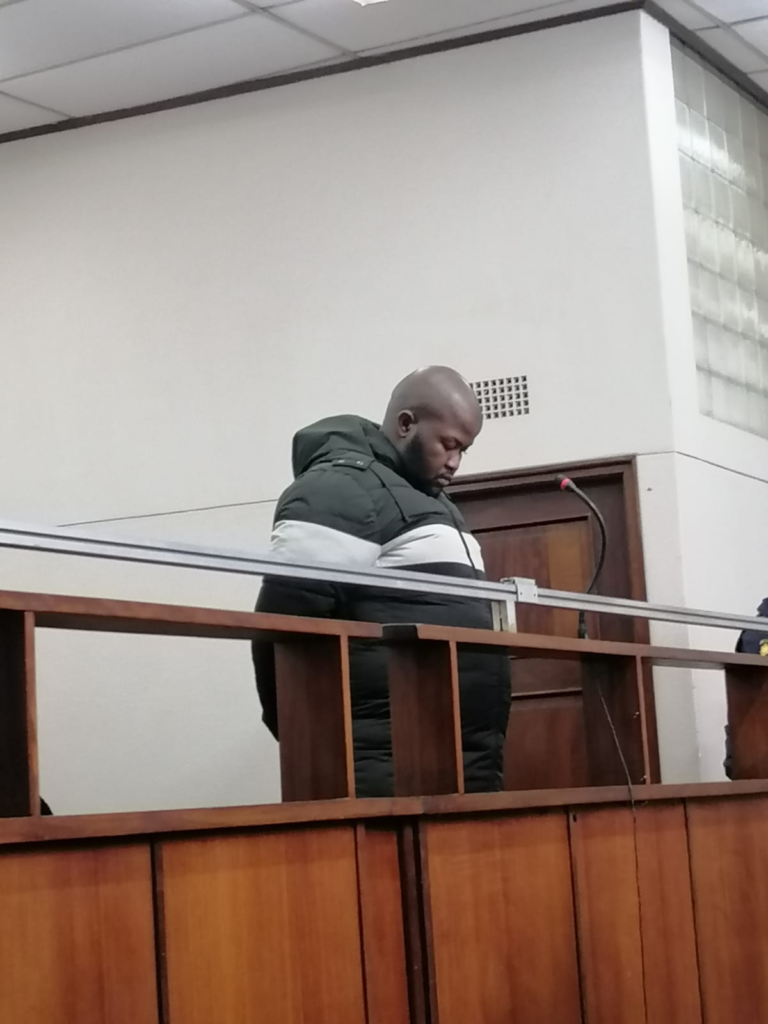
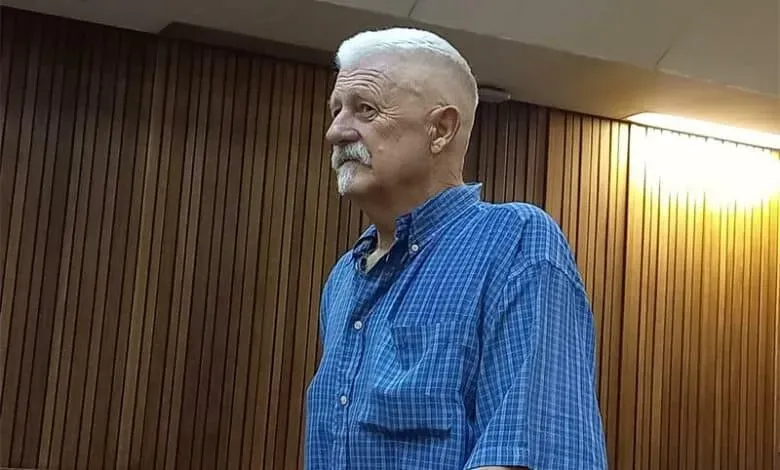
Emotional scenes unfolded at the Gauteng High Court in Pretoria as former apartheid policeman Johan Marais was sentenced to 15 years for the 1985 murder of Chaipus Nyoka. The Nyoka family wept, marked by a supportive crowd who yelled, “rot in jail,” while Marais, appearing dejected, faced the aftermath of his actions, which echoed the deep scars of apartheid-era violence still felt today.
A Long-Awaited Justice for the Nyoka Family
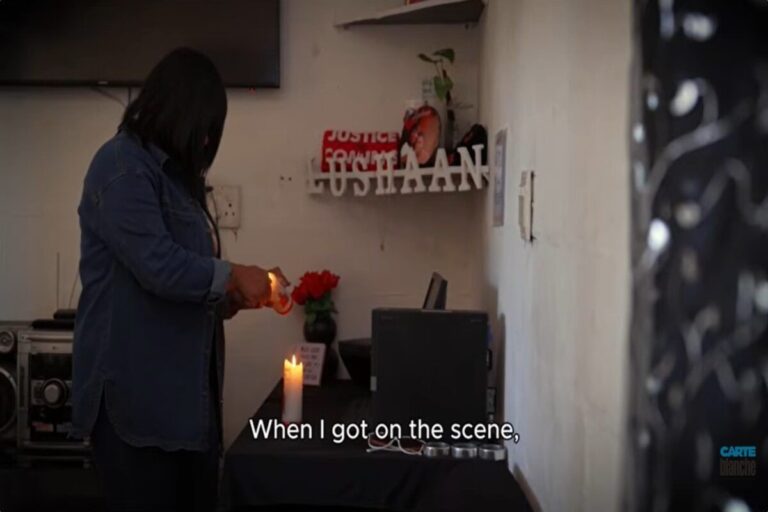
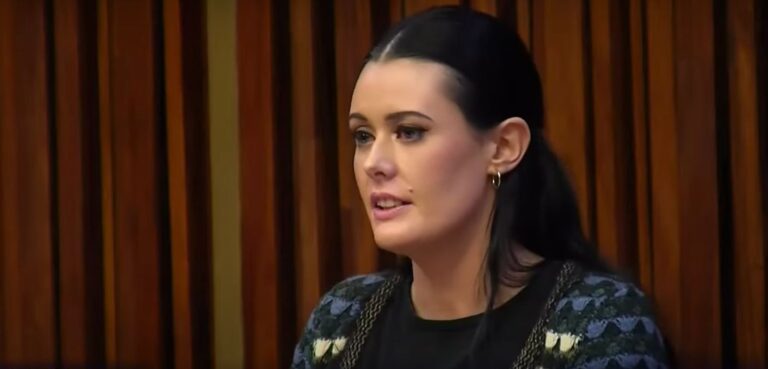
In the Gauteng High Court, emotions surged as the Nyoka family witnessed Johan Marais’ sentencing for Chaipus Nyoka’s murder after 38 years. “Although our parents died without seeing this day, we have witnessed it on their behalf,” Alegria Nyoka stated.
Following the verdict, the public gallery echoed anguish with shouts of “rot in jail” directed towards Marais, symbolizing years of pain endured by the Nyoka family and their community.
Judge Papi Mosopa acknowledged the long delay in justice during the sentencing. He emphasized that vital evidence had disappeared over the decades, yet Marais’ admission of guilt marked a significant moment for the family.
Challenges of Forgiveness
Alegria Nyoka expressed conflicting feelings about forgiveness following the verdict. She stated that while justice was served, genuine remorse for Marais’ actions remains in question due to his late apology.
“If he shows genuine remorse and wants to meet with us to share the whole story, I think that door is open,” Alegria remarked, indicating the family’s struggle with the complexities of forgiveness.
The judge urged Marais to use his incarceration to reflect on his past and potentially write a memoir, intending to educate others about embracing democracy amidst a painful history that still resonates.
In the heart-wrenching conclusion of this long-awaited trial, the sentencing of Johan Marais brings closure to the Nyoka family’s 38-year quest for justice, yet leaves many questions of forgiveness unanswered.
The cries of ‘rot in jail’ echoed loudly, juxtaposing the grief of the Nyoka family with the somber reality of reflecting on a past based in violence and injustice.
While Marais received a 15-year sentence for his heinous actions, the emotional scars of his crime remind us of the long path toward healing in a society still grappling with the legacy of apartheid.
Alegria Nyoka’s heartfelt words about the years spent waiting for truth exemplify the complexities of justice and the struggles many families face in reconciling past atrocities with the hope for future forgiveness.
Judge Mosopa’s comments about Marais writing a book highlight the need for personal reflection and educational journeys to prevent history from repeating itself.
Let us know your thoughts by leaving a comment below!
Don’t forget to share this article with others who may find it helpful.