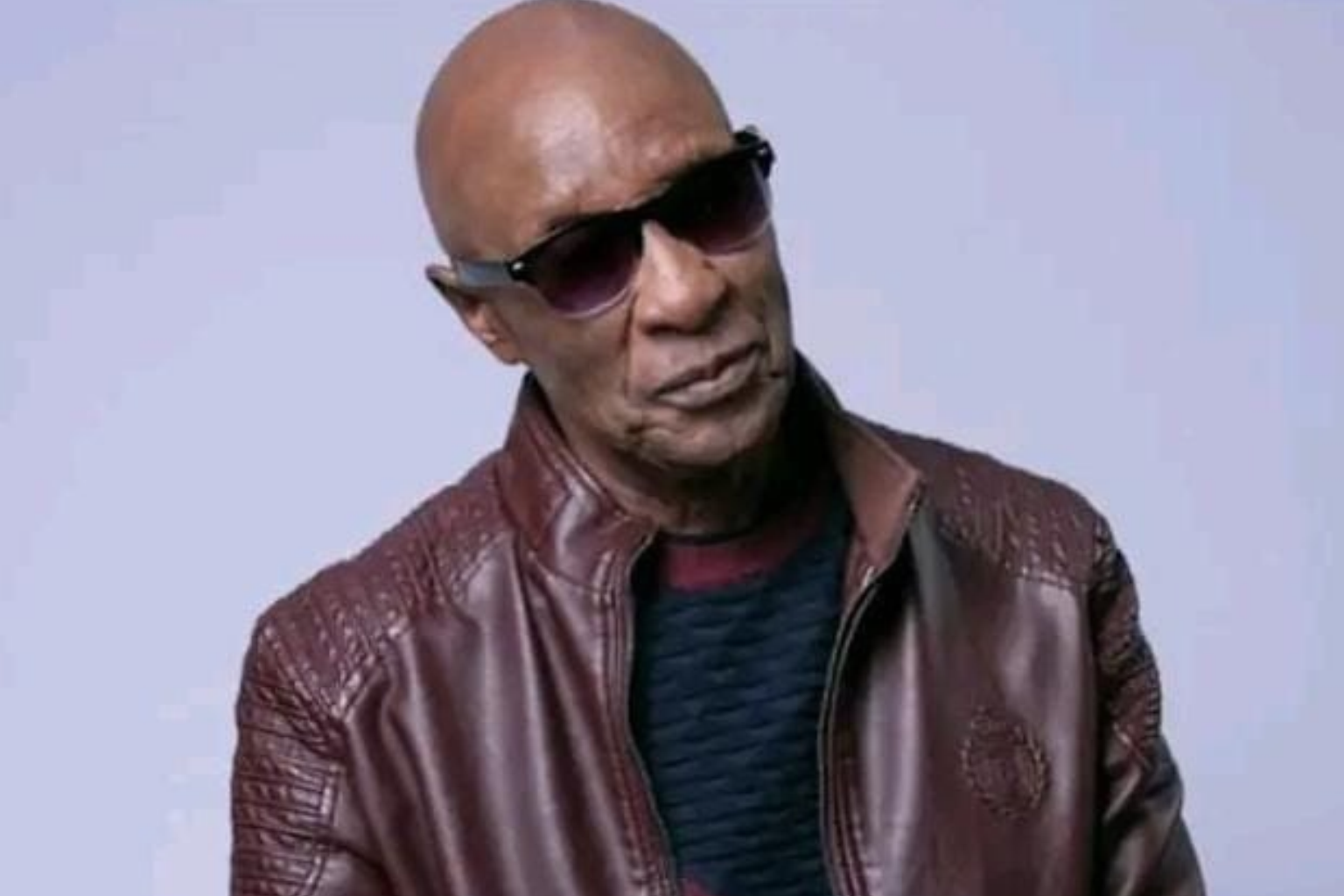
South Africa is currently in a state of grief after the death of one of its most influential musical icons, Bernard “Babsy Mlangeni,” who died on Thursday night at the age of 83.
Initial reports indicate that the renowned singer, songwriter, and composer passed away following a brief illness.
His passing signifies the end of an incredible career that lasted nearly sixty years and significantly shaped the country’s cultural landscape.
Mlangeni was born in Orlando East, Soweto, in 1943 and lost his sight when he was just three years old.
Confronted with considerable challenges and discrimination against visually impaired individuals during apartheid, he embraced music at a young age.
He studied at the Athlone School for the Blind in Cape Town, where he learned guitar and co-founded a student band that would eventually become known as The All-Rounders.
Mlangeni gained recognition in the late 1960s and early 1970s as a groundbreaking figure in the township soul genre.
His famous Sesotho ballad “Sala Emma,” released in 1968, catapulted him to fame, bridging significant cultural and linguistic gaps.
Over his extensive career, Mlangeni displayed his versatility as an artist, producing hit songs such as “Bua Nnete,” “Botsotso,” “Lonely Man,” and “Umadlembathini.” Notably, he often recorded in various African languages, such as isiZulu, Sesotho, and isiXhosa, challenging the apartheid regime’s policies of tribal segregation.
In addition to his commercial achievements, which rivaled those of iconic groups like the Soul Brothers and Ladysmith Black Mambazo at the peak of his career, Mlangeni campaigned vigorously for the rights of disabled artists.
He was a co-founder of the South African Blind Musicians Association, advocating for fair royalties and better opportunities for visually impaired musicians and mentoring many young talents, including the late Steve Kekana.
For his significant contributions to South African music and his efforts in social advocacy, Mlangeni was honored with a Lifetime Achievement Award by the South African Music Awards in 2017, followed by another lifetime recognition at the National Arts and Culture Awards in 2025.
Since his passing, tributes from fans, colleagues, and cultural organizations throughout the country have emerged, honoring Mlangeni as not only South Africa’s first black blind superstar but also as an agent of unity who utilized his music to foster healing and resist oppression.
Visit MDNtv YouTube Channel for our video content