 The leader of South Africa’s central bank indicated that current economic models project that inflation will return to the targeted 3% level after the immediate impacts of the ongoing conflict in the Middle East subside.
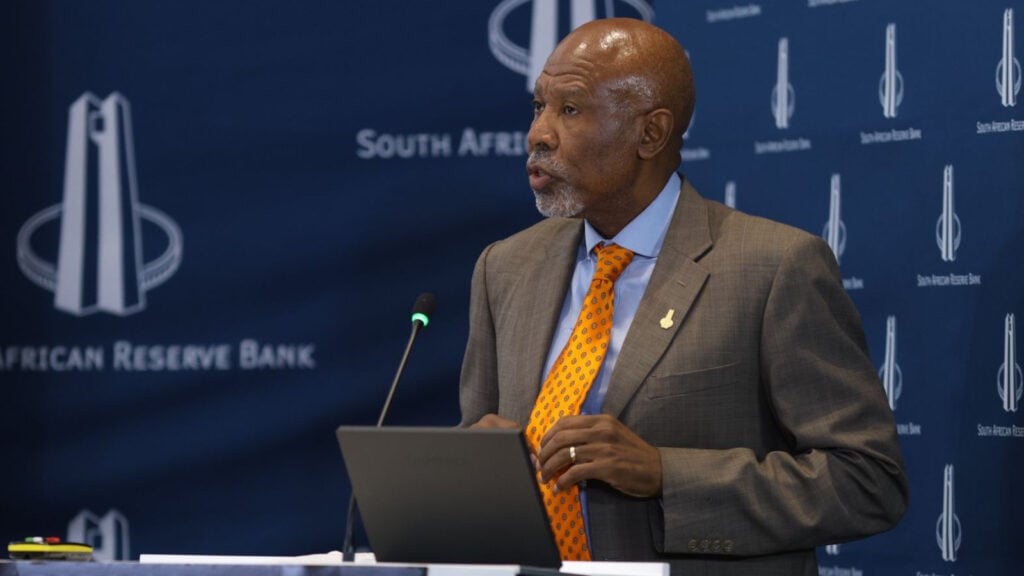
Lesetja Kganyago conveyed this message during a speech at the Italian-South African Chamber of Trade and Industries on Thursday, stating, “So far, our modelling indicates that prevailing policy settings are sufficient to return inflation to target after the initial shock has passed.”
He added, “We remain firmly focused on our mandate, and will act as needed to prevent higher inflation from becoming entrenched.”
In September, the decision was made unanimously by South African officials to increase borrowing costs by 25 basis points, bringing the rate to 7.25%. This move comes in response to rising energy and fertiliser prices, a situation exacerbated by conflicts in Iran and Ukraine.
Kganyago explained that while monetary policy cannot avert the initial inflationary spike resulting from fuel price shocks, it is essential to prevent this temporary surge from becoming ingrained in expectations, wage dynamics, and overall pricing strategies.
Last month, inflation rose to 4.5%, remaining above the central bank’s 3% target since March. The next interest rate decision by the central bank is set for November 19.
Kganyago remarked on South Africa’s potential recovery from years of stagnated growth, which had been influenced by significant dysfunction in the political landscape during Jacob Zuma’s presidency. He noted that “several foundations are stronger today than they were only a few years ago,” citing enhancements in electricity supply and various reforms in logistics and municipal services.
He also pointed out improvements in fiscal credibility, mentioning that the government has made strides in controlling debt growth. “We have moved from credit rating downgrades to upgrades,” he stated.
In a recent medium-term budget statement, Finance Minister Enoch Godongwana indicated that South Africa’s debt-to-GDP ratio has peaked and will start to decline in the current fiscal year. He also mentioned that revenue collections are projected to exceed prior expectations, with a smaller budget deficit anticipated at 3.9% of GDP than previously estimated.
Kganyago expressed optimism about these developments, stating that they should enhance confidence, spur investment, and foster economic growth.