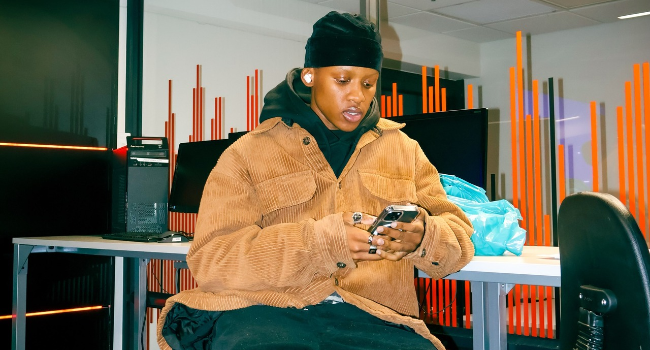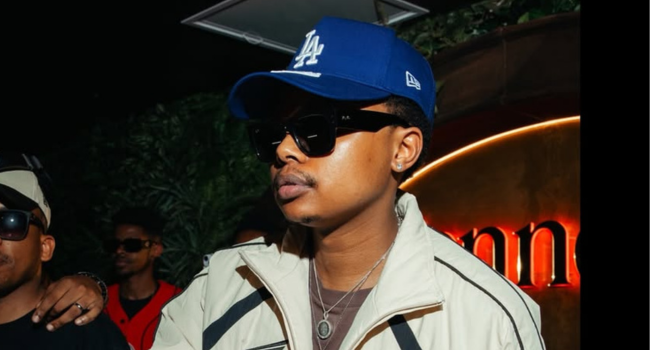

Emtee Delivers a Clear Message to Event Planners Regarding Inferior Sound and Microphone Quality. South African hip-hop artist Emtee is taking a stand against subpar live performances, asserting the need for event organisers and promoters to improve their audio standards.
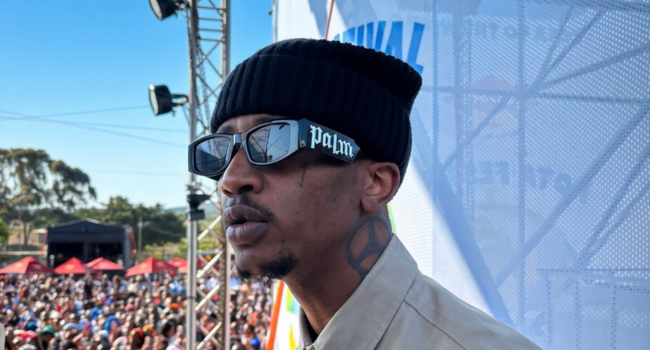 Emtee Delivers a Clear Message to Event Planners Regarding Inferior Sound and Microphone Quality
Recently, the rapper expressed his frustration on X (formerly Twitter) regarding a pervasive issue plaguing live performances: inadequate sound quality and malfunctioning microphones. In a candid post, the Amanzi and Roll Up artist proclaimed: “Event organisers or promoters or whatever y’all call y’all self; PLEASE MAKE SURE YOUR SOUND, Mic and is on point. NIYASI HLAZA.”
His choice of language resonated with many. The phrase “Niyasi hlaza” can be interpreted as “you are embarrassing yourselves” or “you are humiliating yourselves,” underscoring the rapper’s view that inadequate technical execution reflects poorly on those responsible for organising events.
The post garnered significant engagement, attracting responses from fans and industry experts alike. One such suggestion from a talent management account proposed that the artist, famously known as Big Hustler, might benefit from using his own microphone while on tour.
Mthembeni Ndevu, Emtee has distinguished himself as a prominent figure in South African hip-hop. From his early success with Avery and chart-topping hits like Roll Up, to his journey as an independent musician with Emtee Records, he has cultivated a body of work and performance ethos that thrives on clarity and dynamism in his music.
Nevertheless, even the most charismatic performers can be diminished by inadequate technical arrangements. Issues such as unbalanced sound, malfunctioning microphones and poor audio equipment can detract from an artist’s performance and leave attendees dissatisfied with the experience they’ve invested in.
Emtee’s remarks highlight a larger issue in South Africa’s live entertainment sector, where sound quality remains a frequent source of criticism at numerous events. For artists and for audiences who pay for live entertainment, high-quality technical production should be a fundamental expectation rather than an exception.
While Emtee refrained from targeting any specific organiser or event, his message serves as a reminder to promoters about the importance of taking their technical roles seriously. Putting together a successful show involves more than just booking a well-known performer and selling tickets; the quality of sound, microphones, and overall stage configuration must also be adequately addressed.
It remains to be seen whether industry stakeholders heed his message, but Emtee has clearly articulated an essential point: if you are organising a show, ensure the audio quality is satisfactory. No one should have difficulty hearing the artist they paid to see.