According to the GSMA, mobile operators in South Africa are urged to prepare for a rise in extreme weather events that could disrupt their cellular infrastructure and services.
The organization forecasts that by 2050, the financial implications of climate change for these operators could surge by 80%.
Among the primary stakeholders in this market are MTN, Telkom, and Vodacom, the largest mobilities operating the physical network infrastructure.
As a result, the increasing occurrence and intensity of extreme weather phenomena necessitate careful planning by these operators.
The GSMA’s recent research sheds light on specific local challenges that exacerbate the impact of severe weather situations in South Africa.
“In South Africa, chronic grid instability, theft and vandalism affect the resilience of networks to severe weather,” the GSMA stated in its report.
Entitled Futureproofing Connectivity: Climate Risk and Resilience in Telecommunications, the report includes insights from operators both in South Africa and abroad.
Feedback from over 29 telecommunications providers was taken into consideration, along with that from the GSMA’s Climate Action Taskforce.
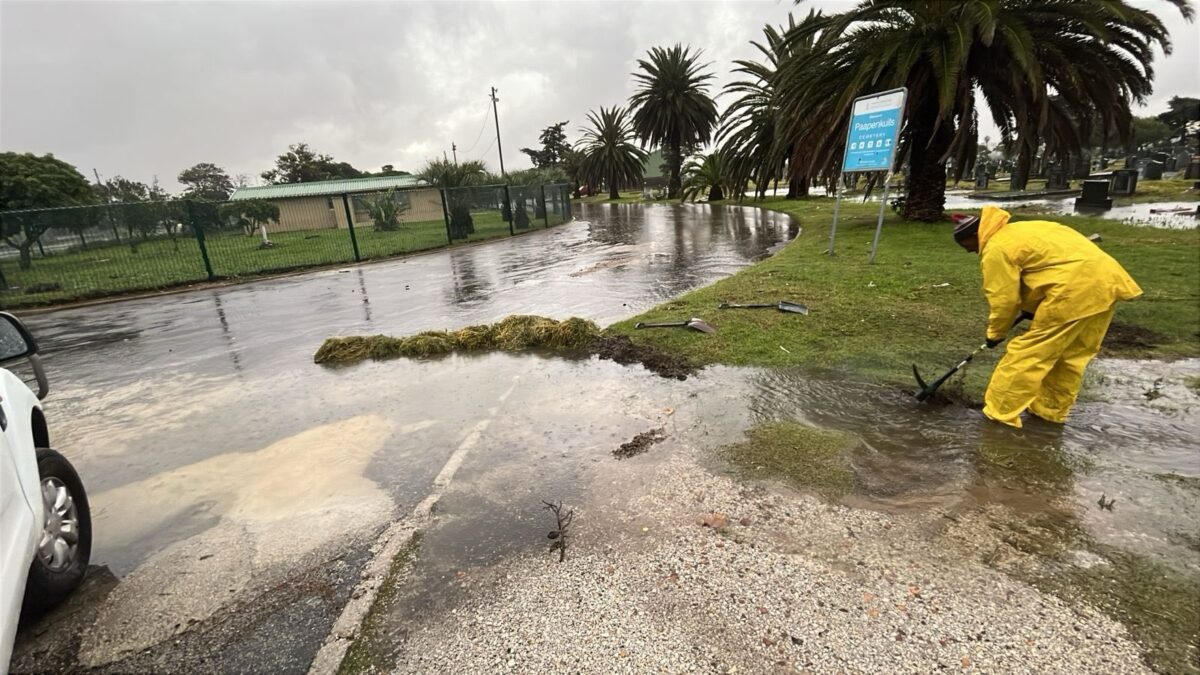
Critical threats to cellular infrastructure cited for the South African market include flooding and severe storms.
Given concerns over electric grid reliability, the GSMA noted that local operators would need to enhance their backup power solutions to mitigate weather-related disruptions.
“Flood and storm events in Bangladesh, South Africa, and Spain similarly produced a combination of power loss, access restrictions and transmission damage,” it explained.
It further elaborated, “Where backup power is limited, power failure can become the main driver of service disruption, even if telecommunications assets remain physically intact.”
In 2022, MTN reported that heavy rains and flooding in KwaZulu-Natal had resulted in significant infrastructure damage and power outages.
The floods during this period, among the most severe in the nation’s history, resulted in at least 436 fatalities and damages exceeding R17 billion.
MTN indicated that more than 500 of its sites were rendered inoperative across the affected regions, disrupting communication efforts extensively amid the emergency.

Even as many MTN sites were equipped with backup power, the scale of the 2022 floods was unparalleled, draining many of these batteries.
Moreover, damage to transportation networks complicated repair efforts.
The GSMA also pointed out that theft of batteries from remote cell sites could further undermine the network’s resilience.
“Operators noted that theft of backup batteries in remote cell sites also makes mobile networks in those areas less resilient,” it noted.
Meteorologists have connected the 2022 flooding in KwaZulu-Natal to a La Niña event that brought extreme weather.
The GSMA highlighted that these medium-term climate patterns cause concern for mobile operators, who worry about the consequent frequency of adverse weather in some areas.
“Medium-term climate cycles, such as El Niño and La Niña, affect rainfall, temperature, storm and drought patterns over months or years in particular regions,” the report said.
El Niño refers to a specific set of challenging weather patterns historically linked to drought conditions in South Africa.
“El Niño is a regular, naturally occurring weather pattern that reaches a peak in a two- to seven-year cycle,” it noted.
The findings suggest that El Niño generally corresponds with elevated global temperatures and a higher likelihood of drought and wildfires in regions including Australia, Indonesia, and Southern Africa.
Mobile operators in the southern hemisphere are advised to prepare for a significant El Niño event, which could heighten the risk of extreme weather in certain areas until 2027.
Don’t miss the latest news