
DJ Maphorisa Urges South African Hip-Hop Artists to Unite Despite Ongoing Conflicts. Acclaimed producer and musician DJ Maphorisa has appealed to artists within South Africa’s hip-hop community, encouraging them to move beyond their differences and collaborate. He pointed out that persistent divisions are hindering the genre’s progress.
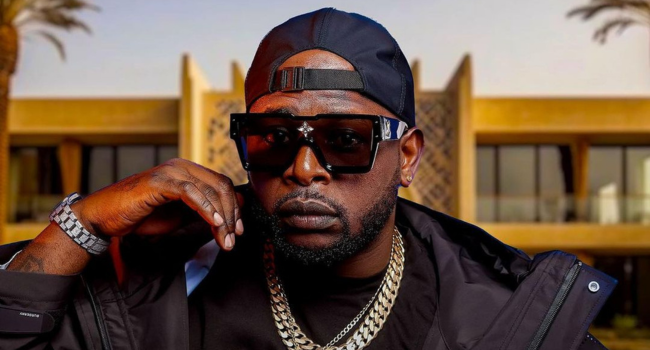 DJ Maphorisa Urges South African Hip-Hop Artists to Unite Despite Ongoing Conflicts
In a recent post on X (formerly Twitter), he stated, “SA hip-hop guys need to work together this camp camp thing is not working 💔.” Maphorisa, a significant figure in South African music, has been pivotal in the Amapiano scene while also having strong connections to hip-hop production, collaborating with notable artists like Kwesta and Riky Rick and advocating for innovative cross-genre projects.
This appeal comes as South African hip-hop grapples with ongoing factionalism, a challenge that has been present for decades. The genre rose to prominence in the 2000s alongside groups like Skwatta Kamp and Teargas, but it often finds itself marred by well-publicized conflicts that fragment artists into competing factions or “camps.”
Disputes between labels, personal grievances, and fan rivalries frequently fuel this fragmentation, while media coverage and social platforms amplify the conflicts. Some of the most notable feuds have defined the local hip-hop landscape. For instance, the longstanding rivalry between AKA and Cassper Nyovest has involved diss tracks, social media exchanges, and reports of physical altercations. Other notable disputes feature A-Reece versus Nasty C, Big Zulu’s diss track “150 Bars,” which targeted several artists, and current tensions between The Big Hash and J Molley.
Although these confrontations generate significant attention and memorable music, they often hinder collective advancement. The competitive essence of hip-hop, rooted in its battle culture, can become counterproductive when taken too far. Maphorisa’s message is particularly pertinent as hip-hop faces competition from emerging genres like Amapiano and Afrobeat. Contentious disputes have coincided with a downturn in the genre’s commercial viability.
As artists like Big Zulu attempt to revive interest through diss tracks, the schisms tend to widen. The call for unity, however, has been noticeably amplified. Whether this plea will translate into actual collaboration is uncertain, but it is clear that South Africa’s rich and vibrant music scene holds the potential for extraordinary creative growth if artists choose to prioritize cooperation over conflict.