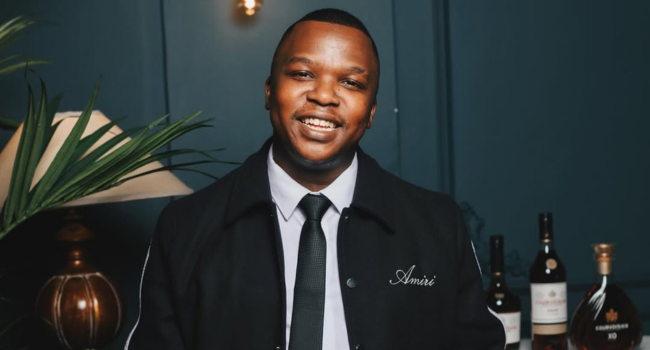
In a recent chat on the Podcast and Chill Network, DJ Speedsta did not shy away from discussing the current landscape of South African hip-hop DJs. The seasoned DJ and radio figure made a strong and candid remark that has ignited discussions throughout the music scene: “The future of hip hop DJs is quite sad, these kids are really bad.”
Having deep roots in the local hip-hop culture, DJ Speedsta appeared to convey his thoughts from a place of knowledge and keen observation. He expressed dissatisfaction with how the craft is transforming under the guidance of the newer generation.
Delving deeper into his perspective during the interview, Speedsta shared, “It’s actually a very simple thing, I always say to people I always practise 2–3 times a week for my DJing. Once these kids start making a bit of money and they roll with 5 girls and they want a 2 bottle rider, then they play s*it.”
His statements have gained traction not just for their straightforwardness, but also for the important questions they raise regarding professionalism and development within the hip-hop DJ scene in South Africa. As an advocate for skill development and a robust work ethic, Speedsta’s observations illuminate a conflict between monetary success and artistic authenticity.
Over the last ten years, the South African hip-hop DJ landscape has seen major shifts, influenced by the emergence of digital platforms, changes in favored genres, and a growing fusion with styles like amapiano. While some DJs have embraced the changing landscape and innovated, others—according to Speedsta—might be disregarding the core skills and commitment that once embodied the profession.
His focus on the need for consistent practice suggests that, in his perspective, achieving success in the industry still demands dedication and regularity, even amidst the allure and rapid lifestyle that often accompanies the entertainment world.
As South African hip-hop continues to grow and change, DJs, whether established or new, actively influence the direction of the genre. The evolution of the scene has elicited mixed responses, with some expressing unease and others emphasizing ongoing adjustments. Insights from key figures like DJ Speedsta have enriched broader conversations regarding the standards and ideals within the field.