
The Portfolio Committee on Home Affairs has raised serious concerns regarding the significant number of asylum seekers and refugees who are taking legal action against the Department of Home Affairs (DHA).
The committee cautioned that the misuse of legal processes threatens the effectiveness and credibility of the asylum system.
On Tuesday, the committee engaged with the DHA and the Refugee Appeals Authority of South Africa (RAASA) to discuss strategies for eliminating the backlog in asylum seeker and refugee applications.
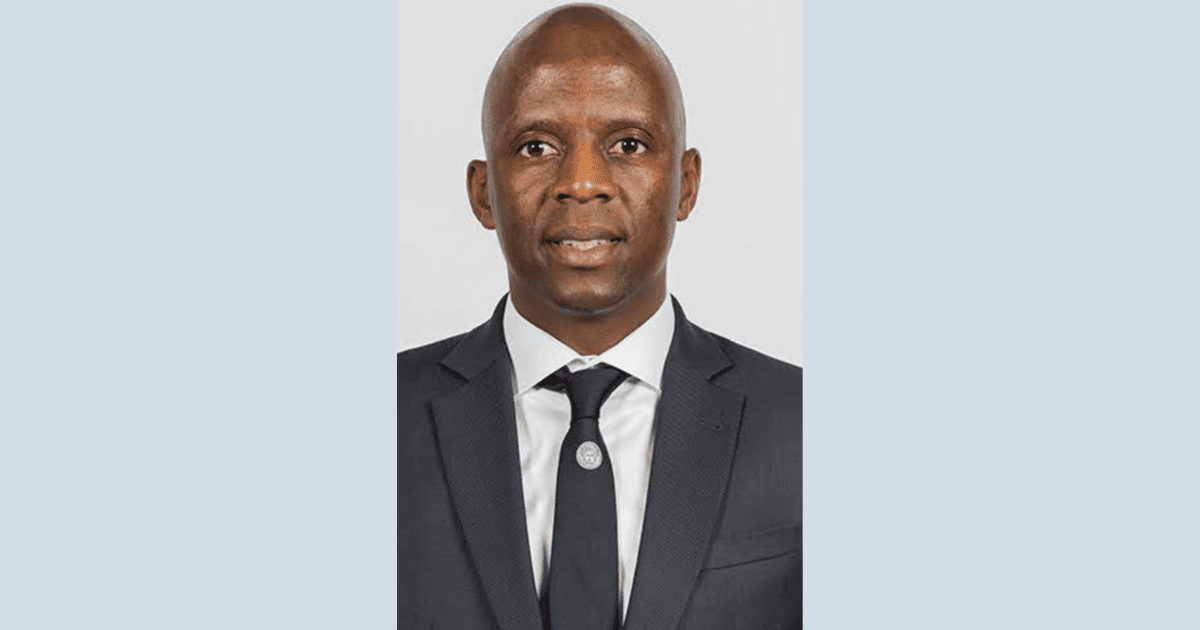
Mosa Chabane, the Chairperson of the committee, noted their recognition of the constitutional right to judicial review; however, there are rising concerns that legal actions are being used to extend unlawful stays within the country.
“The committee subscribes to the principle of fair and lawful adjudication of asylum and refugee applications. However, the abuse of the system through prolonged litigation undermines the entire asylum framework and significantly delays the processing of genuine applications,” said Chabane.
Chabane disclosed that RAASA received 2,733 judicial review applications during the reporting period. To tackle this issue, the committee has encouraged the DHA to collaborate with the Department of Justice and Constitutional Development, as well as the judiciary, to establish specialized courts exclusively for asylum and refugee-related judicial appeals.
“The committee notes previous engagements with the judiciary but believes these discussions must be revisited to expedite the adjudication and review processes. To ease the burden on the courts, the committee supports the proposal that retired judges be appointed to preside over these specialised courts,” Chabane said.
The committee also expressed its worries about the occurrence of double applications submitted simultaneously through both immigration and asylum or refugee systems.
Committee members pointed out existing weaknesses in the DHA’s disjointed systems, which currently do not effectively identify and prevent duplicate applications across different channels.
In response, Chabane indicated that the committee has urged the department to enhance and unify its systems to bolster detection and prevention capabilities.
Moreover, the committee highlighted concerns regarding the lack of a reliable track-and-trace system after applications are withdrawn or when applicants do not appear for hearings. Chabane reiterated a longstanding concern about the severe under-resourcing of the DHA Inspectorate Unit, which inhibits effective enforcement of immigration laws.
The committee called for the department to adequately staff the Inspectorate Unit to strengthen its monitoring, tracking, and enforcement abilities.
While acknowledging RAASA’s attempts to manage the backlog of pending cases and encouraging the Authority to maintain its current pace, the committee recognized that challenges persist. Given the complexity of the issues in the asylum and refugee sector, the committee decided to hold another engagement to perform a more detailed evaluation of the system and its deficiencies.
The committee also stressed the urgent need to complete the review of the White Paper on Citizenship, Immigration and Refugee Protection.
“The challenges confronted in the asylum and immigration landscape highlight the necessity to accelerate the review of the White Paper to close legislative and policy gaps and ensure that the framework remains responsive to current realities,” Chabane stated. Meanwhile, the committee acknowledged the DHA’s overall performance during the last quarter of the previous financial year but raised concerns regarding unmet targets, particularly those related to the digital transformation goals of the department. “The department presented several critical targets aimed at modernising and transforming its operations. However, delays in implementing projects, such as integrated delivery methods and the digitisation of paper-based records, continue to undermine progress. The committee has urged the department to adopt targeted forecasting and implementation measures to ensure these projects are completed,” Chabane concluded.