
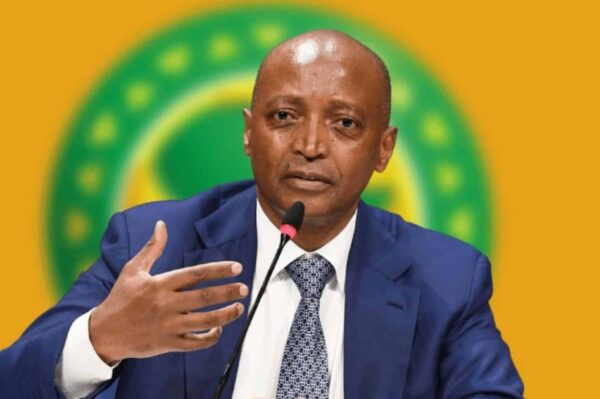
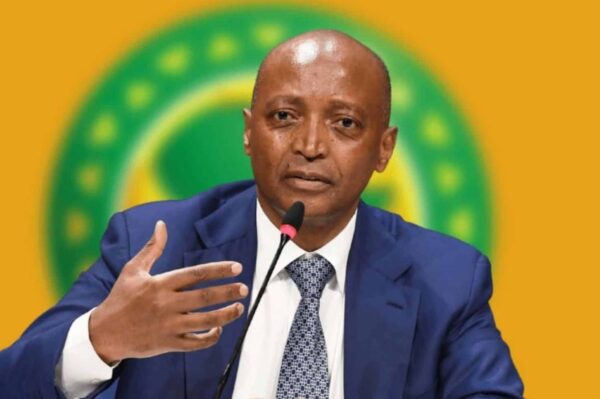
Patrice Motsepe
The landscape of African football is poised for significant change as the Confederation of African Football (CAF) has announced a series of revisions to its competition calendar, which includes a new quadrennial schedule for the Africa Cup of Nations (AFCON) and the introduction of an African Nations League.
CAF president Dr Patrice Motsepe revealed the updates just ahead of the upcoming 2025 AFCON tournament. He indicated that these adjustments are necessary to update the sport in Africa, alleviate longstanding scheduling issues, and enhance the financial stability of the organization.
The updated framework will see AFCON transition from its established two-year cycle to a four-year period starting in 2028. The 2027 edition will still proceed as planned, to be co-hosted by Kenya, Uganda, and Tanzania.
A transitional tournament is expected in 2028, with the host nation yet to be determined, leading into a fully established four-year cycle from 2032.
Motsepe pointed out that these changes aim to resolve ongoing “club versus country” dilemmas, particularly affecting African players who compete in Europe. Additionally, the reforms are intended to enhance the commercial appeal of CAF’s premier tournament.
Currently, AFCON accounts for nearly 80% of CAF’s income, and the financial rewards for the tournament have seen a substantial increase, with the 2025 champions slated to receive $10 million, a rise from the $7 million awarded in previous tournaments.
“We are focused on building a sustainable and globally competitive African football ecosystem,” Motsepe stated, asserting that the new structure will be advantageous for players, clubs, and national teams.
In tandem with the AFCON revisions, CAF also plans to introduce the African Nations League in 2029.
This annual tournament will include all 54 CAF member associations, categorized into four regional groups, with matches held during FIFA international windows in September, October, and November.
The competition will culminate in a finals phase, aimed at maintaining continental activity in the years that AFCON is not held.
Leading figures in African football have expressed support for the proposed changes, including Cameroon FA president Samuel Eto’o and Egyptian FA head Hany Abo Rida, who commend CAF’s initiatives to advance the sport across the continent.
Advocates for the reforms argue that the new arrangement will alleviate fixture congestion, lessen conflicts with European clubs, and provide more consistent competitive opportunities for African nations.
Nevertheless, questions remain regarding how the African Nations League will integrate with AFCON and World Cup qualification, as well as the impact on regional tournaments like COSAFA and CHAN.