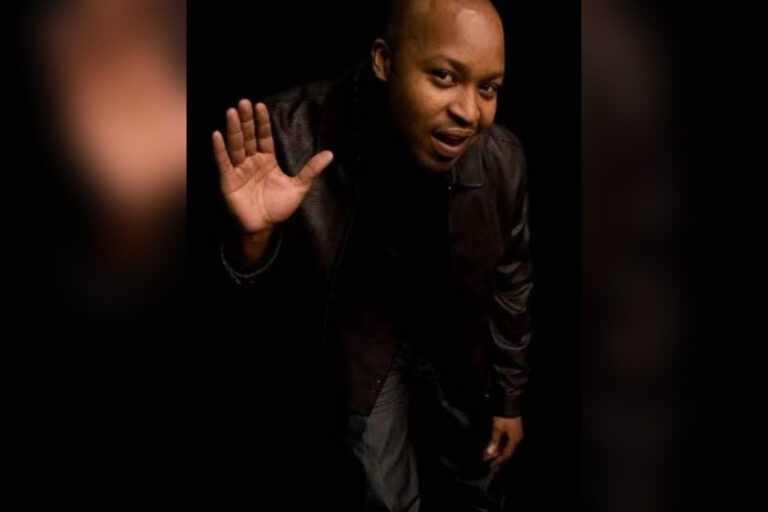


Black Coffee set to continue divorce battle with Enhle Mbali
The divorce case between renowned DJ Black Coffee and actress Enhle Mbali Mlotshwa is set to be revisited in court following a ruling by the Supreme Court of Appeal that allows the artist to challenge an important decision regarding the nature of their marriage.
After over six years of legal proceedings, this appeal signifies a pivotal moment in a widely publicized case resulting from the couple’s status in the public eye.
Black Coffee, whose real name is Nkosinathi Maphumulo, is appealing parts of a judgment delivered by the Gauteng High Court in Johannesburg in October 2025. This judgment affirmed the validity of their customary marriage from May 2011 as being in community of property, while deeming their civil marriage from January 2017 invalid.
The musician disputes both aspects of the ruling and has been granted a chance to present his arguments before the SCA later this year.
At the heart of the appeal are two contentious legal issues: whether a legit customary marriage existed between the couple, and whether the spousal maintenance awarded to Mlotshwa was appropriate.
Black Coffee argues that the trial court made a mistake by concluding that a customary marriage had been properly established, claiming that the evidence did not meet the mutual consent threshold required by customary law.
Additionally, he questions the maintenance ruling, asserting that there was insufficient evidence to support the claim for spousal support and that Mlotshwa’s financial situation was not adequately demonstrated at the trial.
Mlotshwa opposes the appeal, supporting the original ruling and asserting that the evidence upheld compliance with the requirements of customary law.
She contends that Black Coffee’s participation in family discussions and traditional rites indicated clear agreement to the marriage.
Regarding maintenance, she insists that the court accurately evaluated her financial circumstances when issuing the support order.
Legal experts have pointed out that the forthcoming ruling by the SCA could have broader implications beyond this individual case, potentially affecting how South African courts approach customary marriages, particularly when they intersect with civil marriages and antenuptial agreements.
This case remains one of the most closely monitored divorces in the country, and the upcoming appeal ensures that both public and legal scrutiny will persist, with the SCA’s decision likely to shed light on the complexities of customary and civil marital law in South Africa.