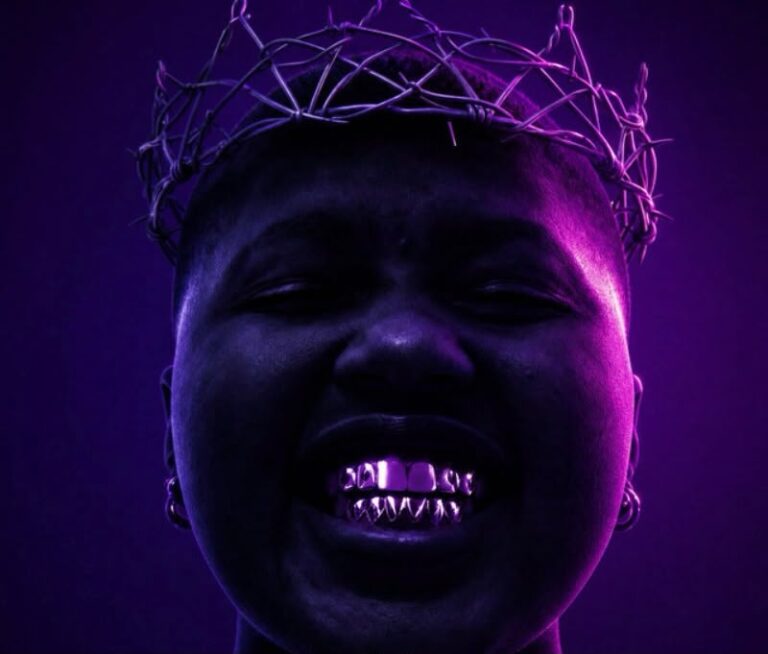
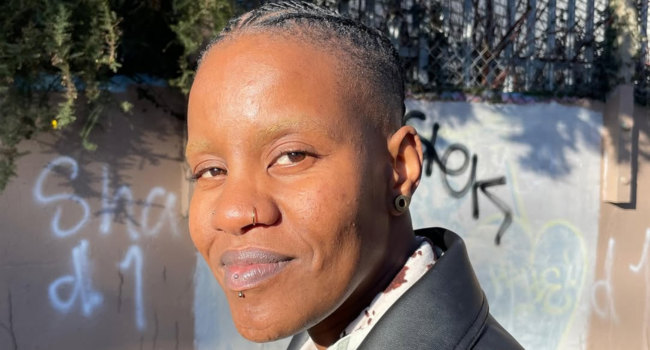
Toya Delazy Opens Up About 13-Year Hiatus Ahead of New Independent Album Release. South African musical pioneer Toya Delazy has discussed the challenges she encountered after opting for artistic freedom instead of adhering to the conventional music industry framework that initially brought her fame.
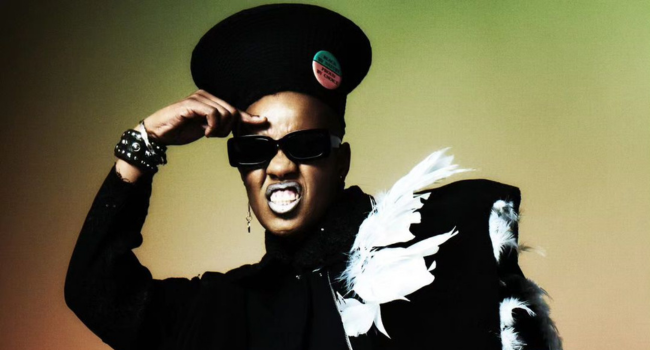 Toya Delazy Opens Up About 13-Year Hiatus Ahead of New Independent Album Release
In a heartfelt message to her followers, the London-based artist, who works as a singer, producer, and pianist, shared insights from over ten years of relative obscurity in her native country. Latoya Nontokozo Buthelezi, as she was born in KwaZulu-Natal, is recognized as the originator of AfroRave, a unique genre that intertwines Zulu lyrical styles with rave, techno, drum and bass, and various electronic music elements.
Delazy rose to prominence in South Africa around 2011 with her hit single “Pump It On” and her first album Due Drop. This project quickly positioned her as one of the most promising new pop artists in the country. In 2013, she gained significant accolades at the South African Music Awards, taking home honors as Newcomer of the Year and Best Pop Album, along with a nomination for Best International Act (Africa) at the BET Awards.
Outside of her music career, Delazy hails from a notable cultural background. She is the granddaughter of the late Zulu leader Mangosuthu Buthelezi and the great-granddaughter of renowned traditional composer Princess Magogo. Nevertheless, her path has taken a turn; she notes that her choice to aim for ownership and creative freedom significantly affected her interactions with the music industry.
“When I chose my independence, the industry closed its doors,” she noted. “My new music was pushed into the shadows. My songs, my videos, the work I gave my life to were silenced and unseen by the millions of fans who wanted to follow the journey.”
Her relocation to the United Kingdom marked more than just a change in location. Delazy expressed that it was a quest for survival and rejuvenation, affording her the space to revitalize her creativity. In the UK and throughout Europe, she rebuilt her career, engaging in various initiatives, cultivating a devoted fan base, and continuing to create music deeply rooted in her Zulu cultural background while also embracing her identity as a queer, gender-non-conforming artist focused on empowerment and positivity.
For Delazy, music transcends mere entertainment.
“Music was never just a career,” she stated. “Many people make music for fun. I make music for my life. Music was the only thing that consoled me after I lost my mum. Music changed my life. Music is my liberation.”
The artist is now gearing up for a significant new phase. She has announced that she will independently release her upcoming album on May 20, opting to proceed without any agreements that would undermine her ownership.
“I have no choice but to face things head on,” Delazy said in unveiling the project, tagging it as Afrorave2 and marking a new stage in her sound and movement’s progression.
Her experiences reflect broader issues within the music industry, particularly concerning African artists facing challenges around control, gatekeeping, and platform access. Many industry watchers view Delazy’s narrative as a compelling example of perseverance and cultural pride.