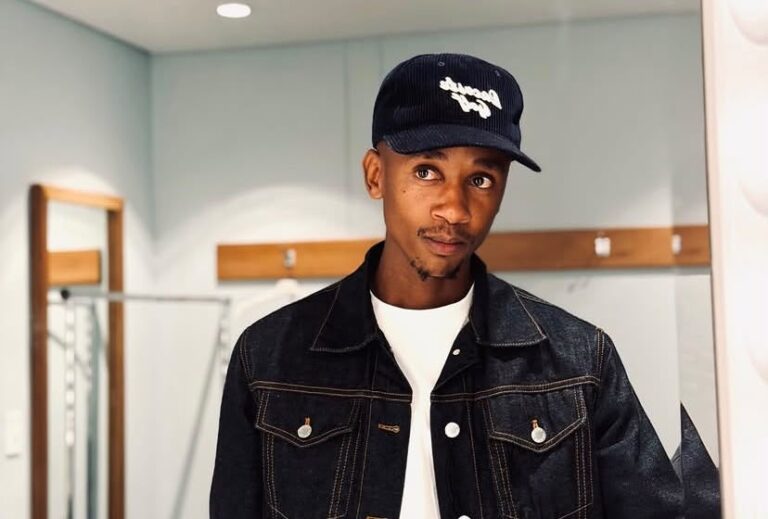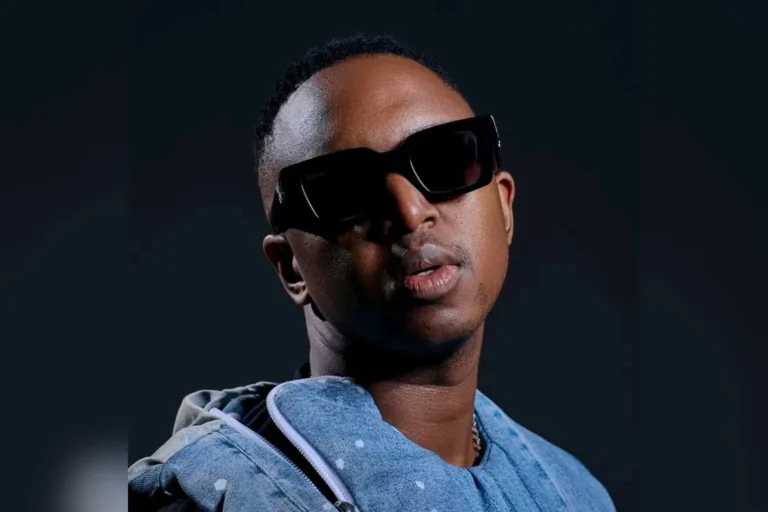

Cassper Pens Open Letter To SA Hip Hop: “Less Ditshele, More Ditsebe.” Cassper Nyovest has reached out to the South African hip hop scene with a poignant open letter. The well-established rapper emphasizes the importance of unity within the community and urges everyone to appreciate the diverse range of musical styles that the culture encompasses.
 Cassper Nyovest Pens Open Letter To SA Hip Hop: “Less Ditshele, More Ditsebe”
In his message shared across social media, Nyovest writes: “Dear Hip Hop, please support yourself. Less ditshele, more ditsebe. Less group hate, more community love.” He highlights that while it is natural not to resonate with every artist or track, the substantial effort spent on publicly criticizing others is damaging to the collective atmosphere.
“You all killed the vibe already,” Nyovest observes. “The only way to build again is to love all kinds of output. Some artists create hits, others focus on club and street tracks, some deliver storytelling, and others excel in battle rap. At the end of the day, it is all hip hop. I appreciate all of it.”
The rapper, who hails from Mafikeng, draws attention to the thriving genre of Amapiano. He points out how the genre successfully accommodates various styles, from the deep and soulful tones of Kelvin Momo to the luxurious sounds associated with Benzo, and everything in between. “They both have their audiences, and both are thriving,” he noted.
Nyovest suggests that insisting every artist produce a similar sound restricts the overall growth of the hip hop genre. He believes South Africa is abundant in talent but that too much chatter and gatekeeping impede progress. “Lea Bala Bala Mann!!! Le itsi too much!!!” he exclaimed.
Additionally, he addresses emerging artists directly, stating, “To the youngins, humble yourself a little bit and listen to the guys who have done it. Maybe you might learn something. Ha Rea fitlha mo ka phoso!!! Maybe we know a thing or 2.”
This letter comes at a pivotal moment as South African hip hop continues to adapt amidst discussions about authenticity, market appeal, and its interaction with local genres like amapiano and gqom. Cassper Nyovest, recognized for his chart-topping hits and record-breaking stadium performances, draws from his extensive experience in the industry.
The response from the community has been mixed, with some expressing agreement and others continuing the discussions Nyovest aims to resolve. The essential message is clear: hip hop in Mzansi thrives most effectively when it champions a variety of voices instead of enforcing uniformity.
Nyovest concluded his letter with an optimistic note. The culture has tremendous potential if it can eliminate unnecessary negativity and recognize the coexistence of diverse sounds that cater to different audiences. Ultimately, it all falls within hip hop, and perhaps it is time for the community to unite as a single force.