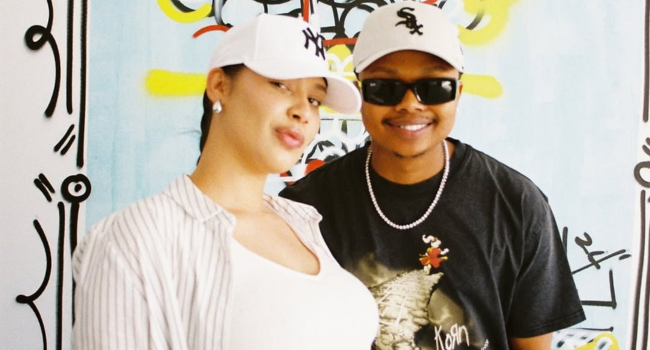
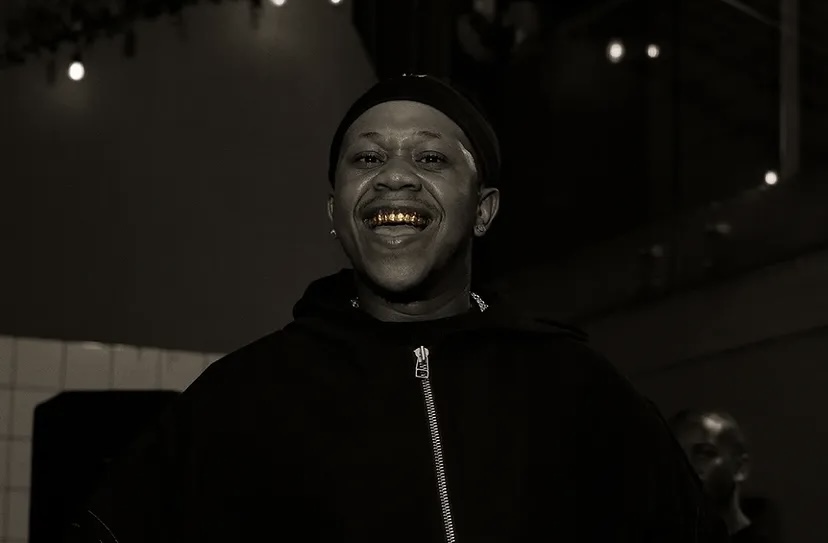
Amapiano artist Young Stunna has come to the defense of fellow musician Scotts Maphuma amid criticism from some veteran figures in the genre about the direction of modern amapiano music. Stunna recently used social media to articulate his support for the new wave of artists who are shaping the genre’s evolving identity.
As a prominent figure within amapiano in recent years, Young Stunna chose to address the controversy through an Instagram story. His remarks followed comments from industry veterans, including Kwiish, who raised concerns that Maphuma’s latest song does not align with their view of “proper” amapiano sound.
In his response, Young Stunna vigorously backed the younger generation of musicians who are willing to explore and redefine the genre. He expressed his thoughts with the following statement:*“The Piano masters were complaining about the new piano wave like they were gonn’ do something about it, why ain’t ya’ll dropping your music instead of complaining? Why ya’ll always gotta find a spotlight and steal it?”
He elaborated on his message, stressing that music should remain free from gatekeeping and outside criticism, especially from those who may not grasp the paths being taken by newer talents. Stunna highlighted the importance of creative freedom and self-expression in making music, regardless of traditional expectations.
*“Sht ain’t yours old man, sit down. We all trynna feed our families and music is a free sport, you can do what you want. Nobody has the right to press someone down because they don’t understand what they’re on,” he continued within the same post.
Young Stunna also emphasized that creativity and innovation are vital aspects of music culture. He observed that each generation contributes something original to the scene, suggesting that rather than resisting change, artists have the option to adapt or compete with the evolving landscape.
*“Niggs created a new wave, it’s up to us to beat it or join it, simple,” he summarized his position.
This discourse has triggered lively discussions on social media, with audiences expressing varying opinions on the future of amapiano. Some fans advocate for a return to the genre’s traditional sound, while others welcome the innovative directions taken by newer artists like Scotts Maphuma.
Young Stunna’s remarks reflect the growing divide between traditional amapiano enthusiasts and the emerging generation looking to test new sounds and styles. Additionally, it captures the ongoing transformation of the genre, which continually seeks to expand its reach and appeal to broader audiences.
As this conversation develops, one fundamental aspect remains evident: amapiano is always changing, and artists such as Young Stunna and Scotts Maphuma are committed to influencing its trajectory.