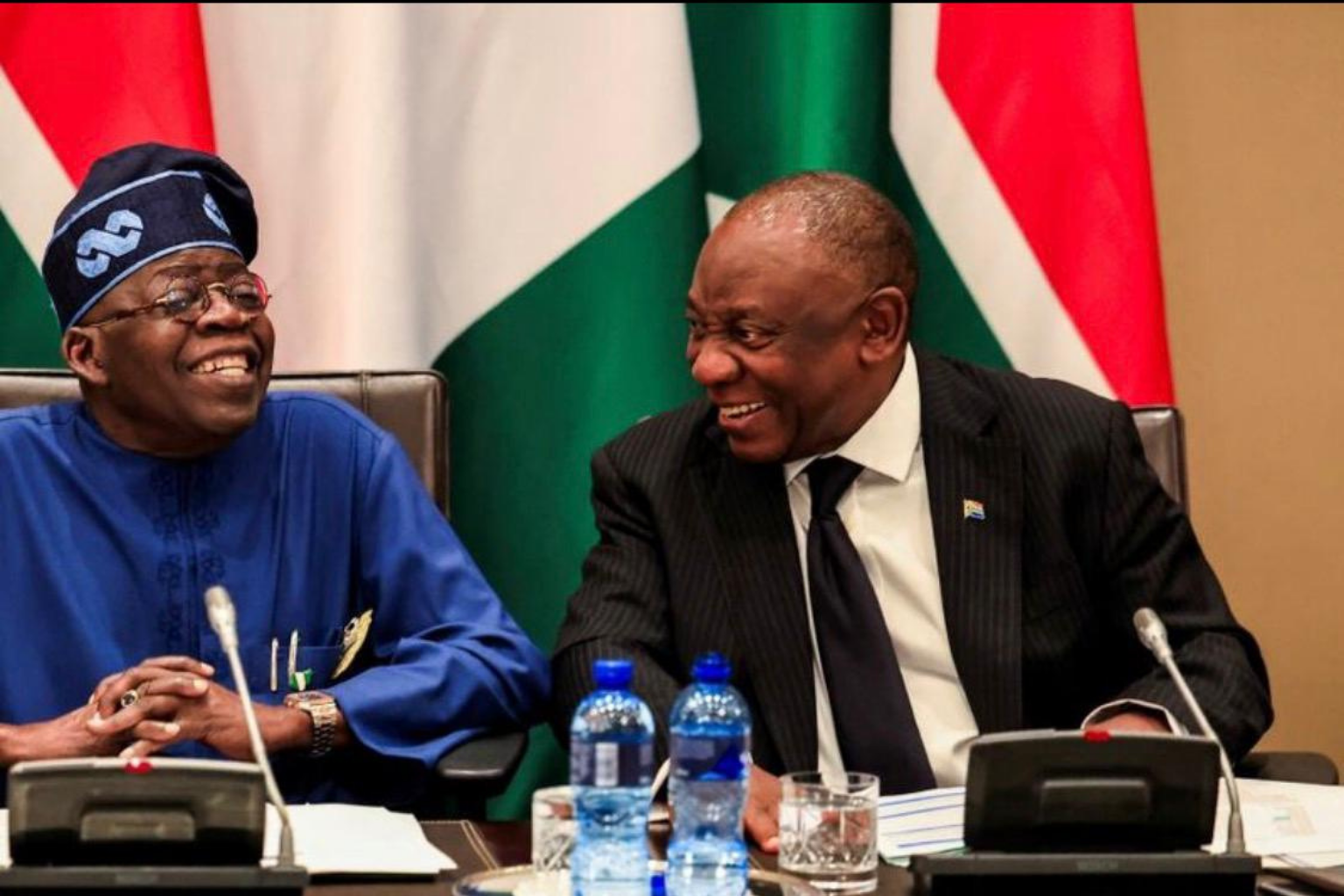
Nigeria has officially raised its concerns regarding the ongoing xenophobic and Afrophobic attacks in South Africa at the African Union. President Bola Tinubu emphasized the need for the issue to be addressed by African heads of state, warning that these attacks pose a threat to continental unity and peaceful coexistence among nations.
On August 31, 2026, in Luanda, Angola, President Tinubu escalated his concerns regarding xenophobia and Afrophobia in South Africa to the African Union, advocating for a collective response and urging African leaders to address the matter at their upcoming ordinary summit.
Nigeria articulated its stance during the 21st Extraordinary Session of the Assembly of the African Union held in Luanda. Vice President Kashim Shettima represented Tinubu, communicating Nigeria’s message to fellow African leaders.
The Nigerian government expressed its apprehension about recurring assaults on Africans and other foreign nationals in South Africa, with Tinubu asserting that these violent acts jeopardize African solidarity and necessitate the attention of continental leadership.
Nigeria Seeks Inclusion of South Africa in AU Agenda
A key aspect of Nigeria’s intervention involves requesting that the issue be put on the formal agenda of the African Union. Tinubu asked the AU Assembly to address this matter at its 40th Ordinary Session, planned for January 2027, which could prompt discussions among presidents and heads of government from across the continent about South Africa’s approach to xenophobia and Afrophobia.
Nigeria is advocating for essential continental consideration and action, pushing the dispute beyond mere bilateral exchanges between Pretoria and Abuja by seeking the involvement of Africa’s primary intergovernmental body.
Tinubu Recognizes South Africa’s Immigration Enforcement Rights
A significant part of Nigeria’s stance is the acknowledgment of South Africa’s sovereign right to implement its immigration laws. Tinubu also recognized South Africa’s role and contributions to the African continent. Nigeria is not calling for the abandonment of immigration enforcement; instead, it insists that lawful immigration measures must be separated from violence, intimidation, and hostility aimed at African nationals. This distinction is crucial in the context of South Africa, where immigration is a highly charged political issue.
Escalating Immigration Debate in South Africa
In South Africa, the public discourse surrounding undocumented immigration and the pressure on public services has intensified, with various civil society organizations, political movements, and community groups expressing divergent perspectives. While some assert that the government is not enforcing immigration laws sufficiently, others caution that valid concerns regarding immigration are increasingly cloaked in Afrophobic sentiments and actions directed against foreign Africans. Nigeria’s intervention at the AU adds a vital diplomatic layer to this domestic dilemma.
Call for Protection of African Nationals
Tinubu urged African governments to reaffirm their commitment to safeguarding the safety, dignity, and rights of Africans living abroad. Nigeria contended that attacks on foreign Africans cannot be viewed as isolated domestic issues, as they adversely affect relations between African nations. The Nigerian president called for dialogue, preventive diplomacy, and collective action against xenophobia and Afrophobia.
The Significance of Nigeria’s Intervention
Nigeria and South Africa are two of the continent’s most influential nations, both being members of the G20 and wielding substantial diplomatic clout across Africa. Their relationship has faced tensions previously, particularly in the wake of violence against Nigerians and other African immigrants in South Africa, which has often triggered public protests in Nigeria. Elevating the issue to the African Union level carries more political significance than issuing another public statement from Abuja.
Warning Against Foreign Military Presence in Africa
Tinubu broadened Nigeria’s intervention concerns beyond South Africa, expressing alarm over the increasing involvement of foreign military forces, mercenaries, and private defense contractors in African conflicts. He articulated that reliance on external entities could weaken African institutions and contradict the principle of African ownership of the continent’s peace and security frameworks, especially against the backdrop of expanding Russian military presence in the Sahel region.
Support for the Luanda Action Plan
Nigeria expressed support for adopting the Luanda Action Plan as a strategy to enhance conflict prevention. Tinubu argued that preventing conflicts is more sustainable and cost-effective than resolving them post-violence. Nigeria also called for predictable funding for African Union peace operations and the implementation of United Nations Security Council Resolution 2719, which outlines UN financing for eligible AU-led peace-support operations.
Addressing Arms Trafficking
Tinubu urged weapon manufacturing and exporting nations to collaborate closely with African governments to implement stricter measures that prevent arms and ammunition from reaching terrorists and other non-state armed groups. This appeal highlights Nigeria’s ongoing struggles against insurgents and banditry. He pointed out that while Africa has the capacity for conflict prevention and resolution, mistrust and inconsistent implementation hinder progress.
Future Developments
Nigeria’s request does not imply that the African Union has condemned South Africa or made any determinations against it, which is an important clarification. Abuja has requested the inclusion of this issue on the agenda for the AU’s 40th Ordinary Session set for January 2027. The AU will decide on the handling of the matter, and South Africa will have the opportunity to present its stance as well. As of now, there is no indication that the African Union has issued rulings against South Africa.
Attention Turns to Pretoria’s Response
All eyes are now on the South African government, which will need to decide whether to issue a public response to Nigeria’s intervention and how it will address Abuja’s claims. The two nations share significant political, diplomatic, and economic ties, and any escalating public dispute could have ramifications beyond the scope of immigration concerns. South African businesses have considerable interests in Nigeria, and there exists a vital African migrant community within South Africa. Historically, both governments have endeavored to mitigate disputes over xenophobia to avoid lasting damage to their bilateral relationship.
Key Points Established
President Bola Tinubu formally presented Nigeria’s concerns regarding recurring xenophobic and Afrophobic violence in South Africa during the 21st Extraordinary Session of the African Union in Luanda on August 30, 2026, with Vice President Kashim Shettima delivering this message. Nigeria has requested that the AU place the matter on the agenda for the 40th Ordinary Session scheduled for January 2027. While Tinubu recognized South Africa’s sovereign rights, he emphasized the need to address violent attacks against African nationals as a matter of continental solidarity. As of now, the African Union has not made any findings against South Africa.
Importance of the Situation
The increasingly heated immigration debate in South Africa has now attained a significant continental diplomatic aspect. Nigeria is not merely opposing Pretoria from afar; it has brought its concerns directly to the African Union, seeking formal consideration from the continent’s leaders. This scenario poses both a diplomatic challenge and an opportunity for South Africa to clarify how it plans to enforce immigration laws while ensuring the protection of foreign nationals from illicit violence or intimidation. For Nigeria, the message is unequivocal: it wants the safety and dignity of Nigerians, along with other Africans living abroad, to be treated as an African Union issue. The next crucial step will be South Africa’s response and whether the African Union will agree to address Nigeria’s complaints among African leaders in January.