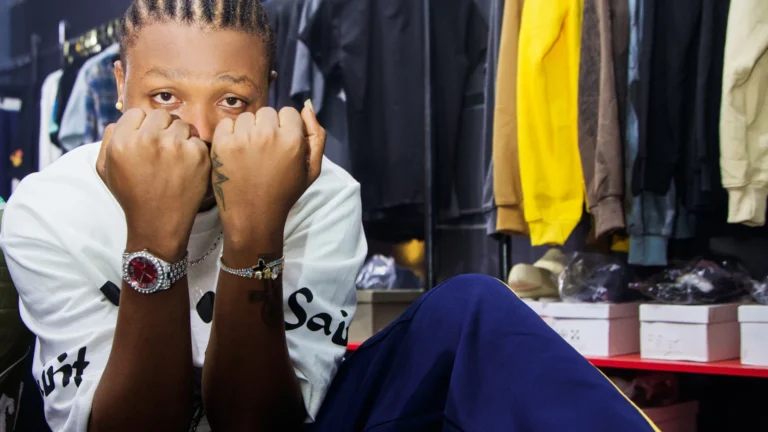
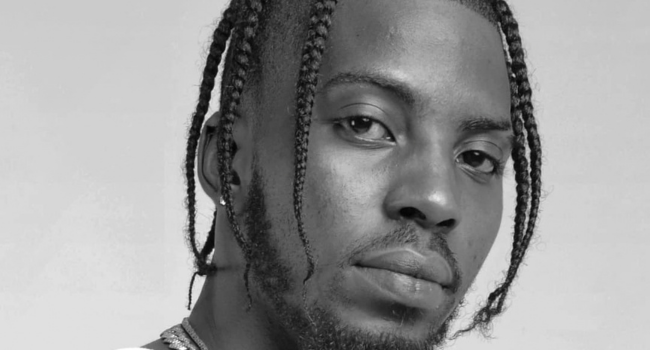
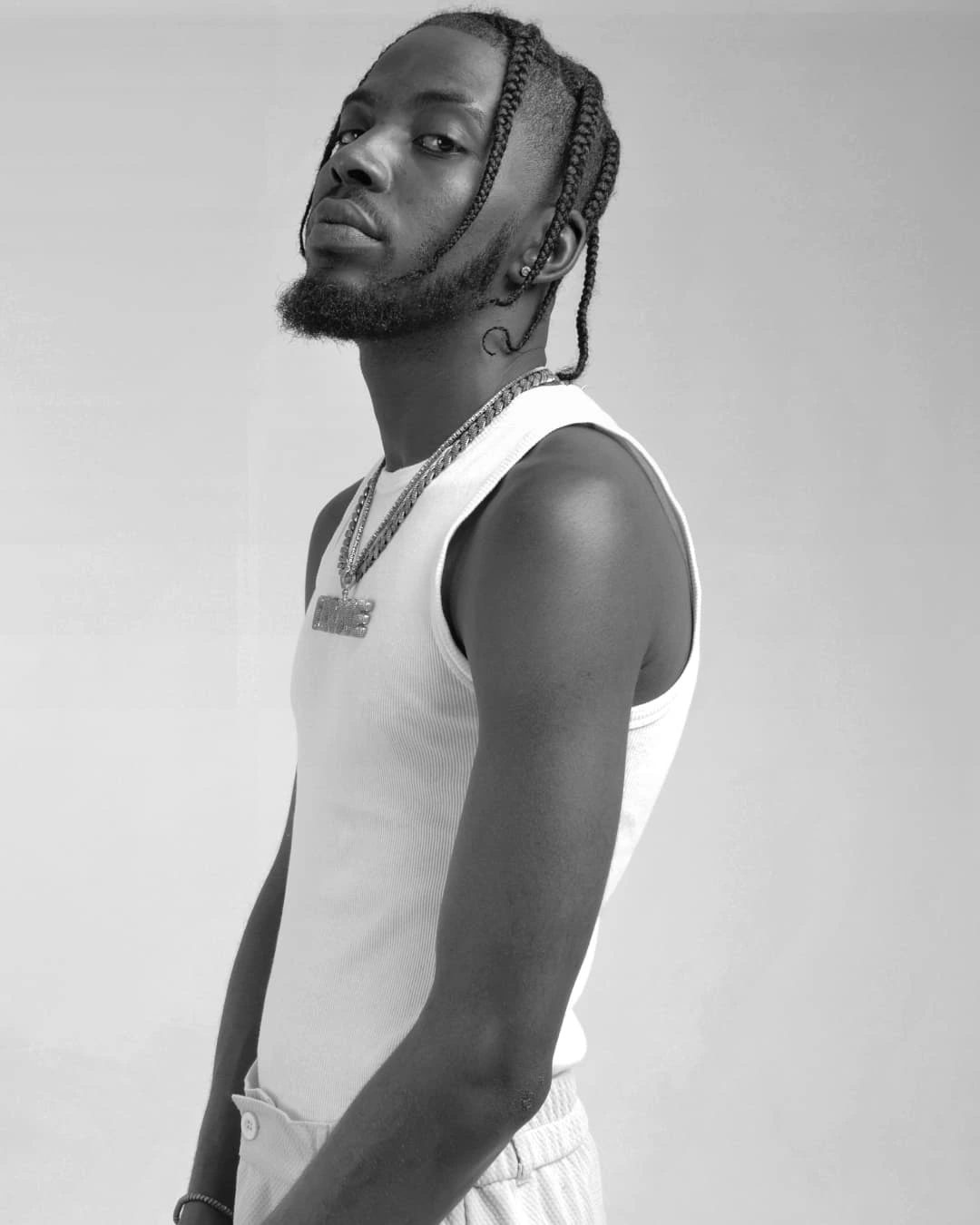
FLVME Discusses His Achievements, Creative Independence, and Path in South African Hip-Hop. Turning 27 carries a different meaning for someone who has spent almost ten years influencing the evolution of South African hip-hop. From the electrifying vibe of CLOUDS released in 2017 to the refined concepts in Candyman & BLVCK & WHITE, FLVME has transitioned from a teenager in East Rand to amassing over 60 million streams, garnering SA Hip Hop Awards, and cultivating a dedicated following around his brand.
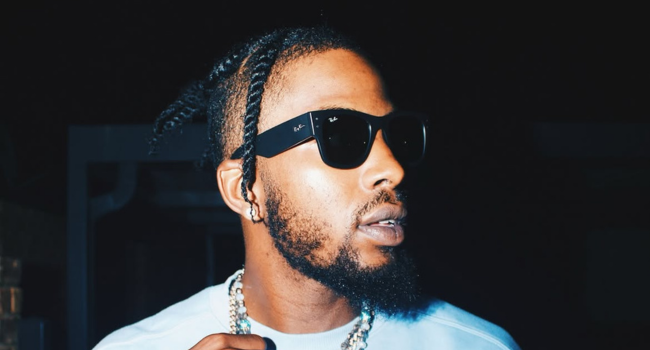
In an interview with SA Hip Hop Mag, the acclaimed rapper reflected on his musical progress, the dual nature of his roles as both producer and artist, the burden of expectations, and the quiet drive that motivates him. Genuine, humble, and without excessive flair, FLVME provided insights on what has changed, what has remained constant, and his ongoing aspirations.
Reaching 27 is typically considered a significant milestone for artists. Reflecting on the release of CLOUDS in 2017 through to BLVCK & WHITE and YAHOO BOYz, how does the current FLVME contrast with the 18-year-old artist emerging from East Rand?
I would say not much has changed, but the positive traits become more refined while the negatives gradually diminish or adapt. Overall, I remain essentially the same person, just older and somewhat wiser.
Spanning 12 projects that include dark trap, rich melodies, and pure rap intensity, your auditory collection has transformed significantly. At 27, what encapsulates the central “FLVME” sound today?
While self-expression has always driven my creation, I was more experimental in my youth because I was discovering my distinct sound and identity. Now, my work is dictated more by the emotions I experience, particularly regarding feelings hard to articulate outside the microphone.
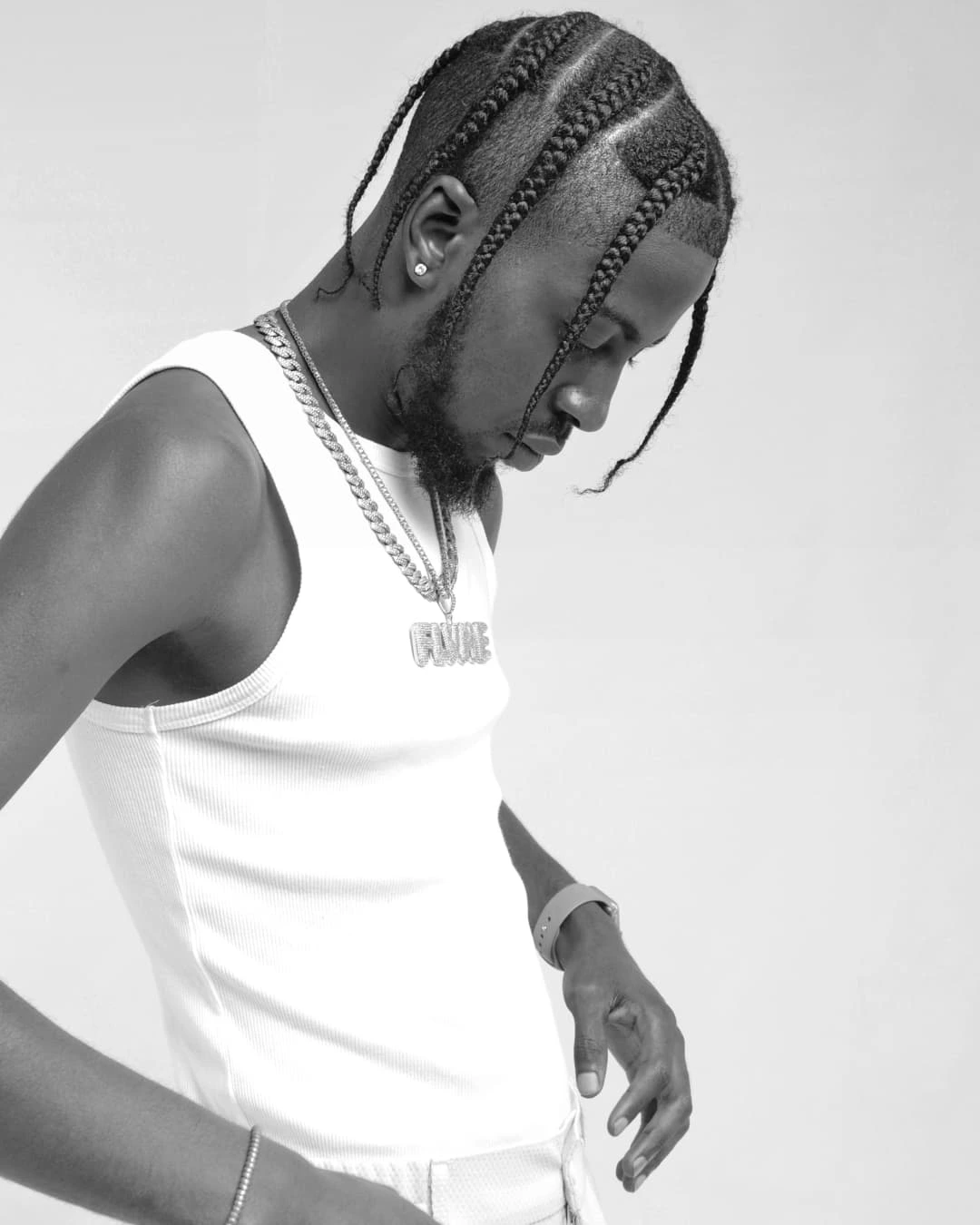
Your journey includes the production of over 24 tracks, highlighting notable singles like “Candy Man”. How has assuming full responsibility behind the mixing desk influenced your development as a songwriter and executive over time?
I see production as a deep musical expression that words alone can’t convey. For me, efficiency plays a greater role than merely being a producer, which is why I produce for very few other artists.
You’ve collaborated with many iconic South African artists, including A-Reece, Nasty C, and Maglera Doe Boy. How do you determine who collaborates with you at this point in your career?
I believe that significant moments arise from being present rather than just planning. I was fortunate to find myself in the right situations at the right times.
With your catalogue exceeding 60 million streams, multiple SA Hip Hop Awards, and Gold certifications, how do you navigate the pressures of expectation while remaining grounded mentally?
I do my best to stay humble and appreciative, all while recognizing that I’m just a person striving to improve. Essentially, it’s about maintaining a realistic perspective and knowing that life won’t always be smooth sailing.
Performing before crowds exceeding 20,000 at events like Rocking the Daisies, what shifts occur in your mindset now as compared to earlier in your career?
Each time I take to the stage, my primary thought is, “Make Them Believe.” I still experience nerves, which I attribute to being a perfectionist and prioritizing the artistry above all else in those moments.
From the Valhalla movement to your BLVCK & WHITE merch releases, you are creating a comprehensive brand ecosystem. At 27, how essential is it for you to adopt an executive mindset alongside your artistry?
My focus is more on brand positioning at this stage rather than merely building. I do wish I had started earlier, but I suppose we learn as we go.
Your release of THE LOST PACK, VOL. 1 was an effort to share previously unreleased tracks. How do you decide when a song is ready to be shared with the public?
I feel every song should be released immediately after it’s created, but the business side can complicate things. Everyone needs to make a living, after all.
Having emerged through collaborative groups like The Wrecking Crew before achieving solo success, what guidance would you offer to emerging South African hip-hop artists today?
You will have supporters and critics, and opinions will vary. Focus on your journey and the aspects of creativity that fulfill you.
As you enter this new year, what is your primary goal or vision that you aim to bring into reality for the next stage of your career?
My main goal remains ensuring that my family is secure. That has been my focus since I was 16.
At 27, FLVME is less focused on proving himself and more interested in fine-tuning his existing achievements. His insights reveal an artist who embraces both the triumphs and challenges of the industry, remaining dedicated to growth, creative expression, and genuine representation.
From exploring new sounds in his early days to commanding large festival crowds and influencing his brand’s trajectory, FLVME’s journey has significantly progressed. Central to this evolution is a consistent commitment to creating a life where his family is “all the way good.”