Parliament has urged the Department of Communications and Digital Technologies to establish a sustainable funding framework for the South African Broadcasting Corporation (SABC) within a six-month timeframe.
The department recently engaged with the Portfolio Committee on Communications, which recommended that the new framework should replace the existing TV licence collection model.
“The second recommendation was that the DCDT had to ensure that a sustainable funding framework for public broadcasting was finalised and submitted to Parliament,” stated the committee.
“The framework had to address the replacement of the current television licence collection model, the funding of public service mandate obligations, and report back to the committee within 6 months.”
Communications Minister Solly Malatsi conveyed that his department aims to present options for a revised, sustainable funding model by 31 March 2027.
This funding model will succeed the current TV licence system and will shape the final draft of the SABC Bill, expected to be put forward to Parliament between 1 April 2027 and 31 March 2028.
Malatsi noted that, in the meantime, the SABC would still receive funding through the current government budgetary framework.
He explained that the public broadcaster has been allocated R728.8 million from the National Revenue Fund for the three-year Medium-Term Expenditure Framework period.
This allocation is intended to support the SABC’s mandate, its programme productions, and Channel Africa, the SABC’s international public radio service.
Malatsi added that his department had sought additional funding through relevant budget processes to manage the broadcaster’s immediate challenges, including its signal distribution responsibilities.
However, he cautioned that the broadcaster should not base its operational plans on the expectation of receiving extra funding.
“It should continue implementing the revenue, cost-containment, and financial-management measures contained in its Corporate Plan,” he stated.
There has been a notable increase in the public’s reluctance to pay the TV licence fee. The broadcaster depends heavily on revenue generated from these fees.
In 2024/25, a mere 15% of TV licence holders complied with payment. The trend of avoiding these payments has persisted for several years.
The public broadcaster indicated a payment avoidance rate of 69% for 2018/19, climbing to 81% in 2019/20, with the figure continuing to rise in the subsequent five years.
This situation has led to the SABC losing approximately R22.8 billion in uncollected TV licence revenue from the 2019/20 to 2024/25 financial years.
TV licences are still a legal requirement
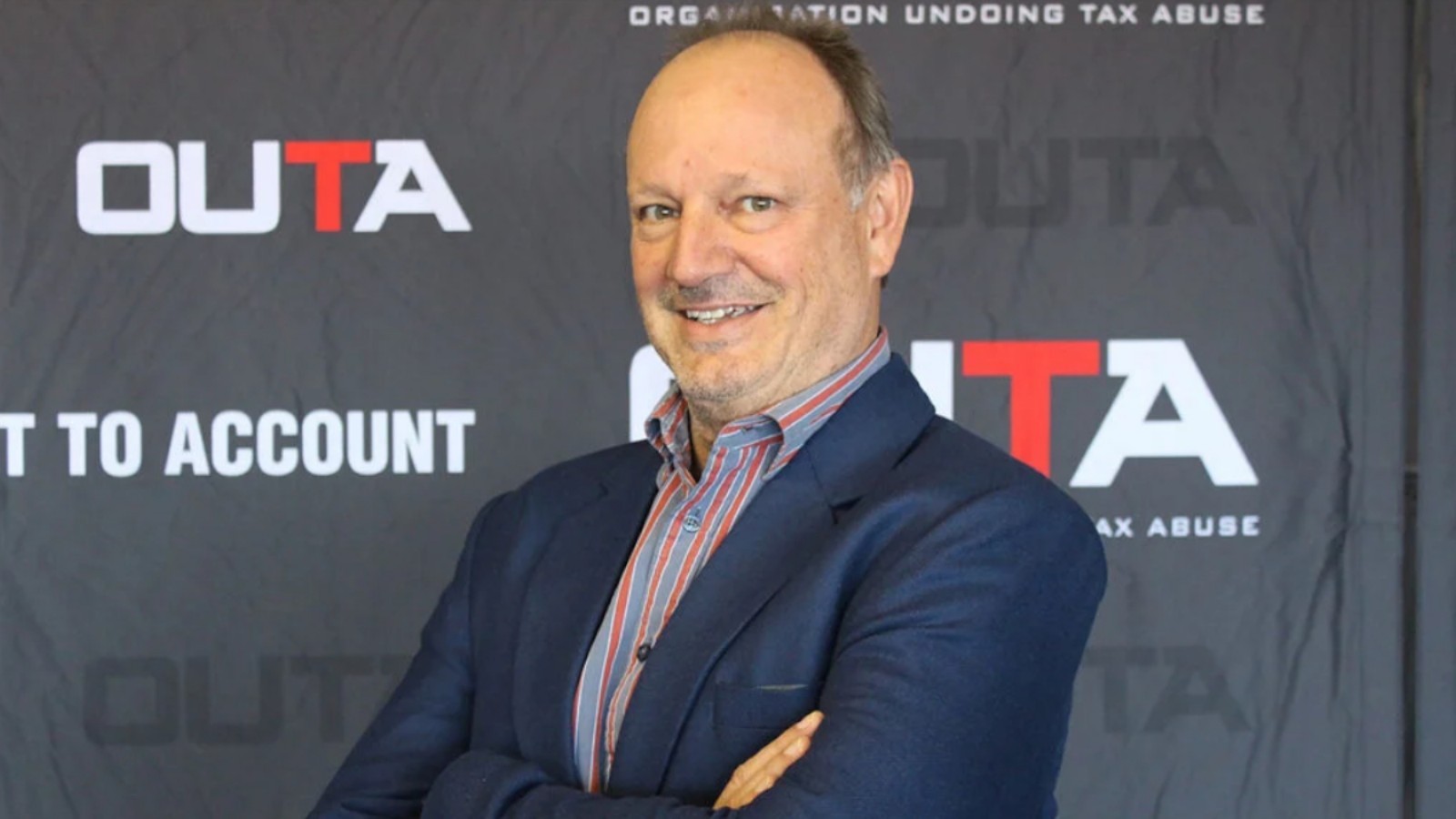
 Wayne Duvenage, CEO at the Organisation Undoing Tax Abuse
The Organisation Undoing Tax Abuse (OUTA) has asserted that, while it advocates for the elimination of the TV licence scheme, South Africans remain legally obligated to pay the associated fees.
It has advised TV licence holders against neglecting payment, even if the likelihood of legal repercussions is minimal.
“OUTA believes that the current TV licence scheme is clearly failing, but until the legislation changes, consumers remain legally liable for TV licence fees where applicable,” OUTA stated.
The civil rights organization cautioned that TV licence holders should not presume that failing to pay carries no legal risks.
“Failure to pay a TV licence remains a contravention of the law and legal consequences are still possible, including fines or imprisonment upon conviction,” OUTA explained.
This warning coincides with the potential consequences of non-payment outlined on the SABC’s TV licence FAQ page, which states that individuals who violate TV licence laws may face fines or up to six months in jail.
“Overdue accounts are handed over to the SABC’s lawyers for debt collection. If payments are late, an account incurs a penalty of 10% per month to a maximum of 100% per annum,” the SABC said.
“Anyone found guilty in court of failing to comply with the law may be sentenced to a fine of not more than R500.00 or to imprisonment for up to six months, or both.”
Don’t miss the latest news