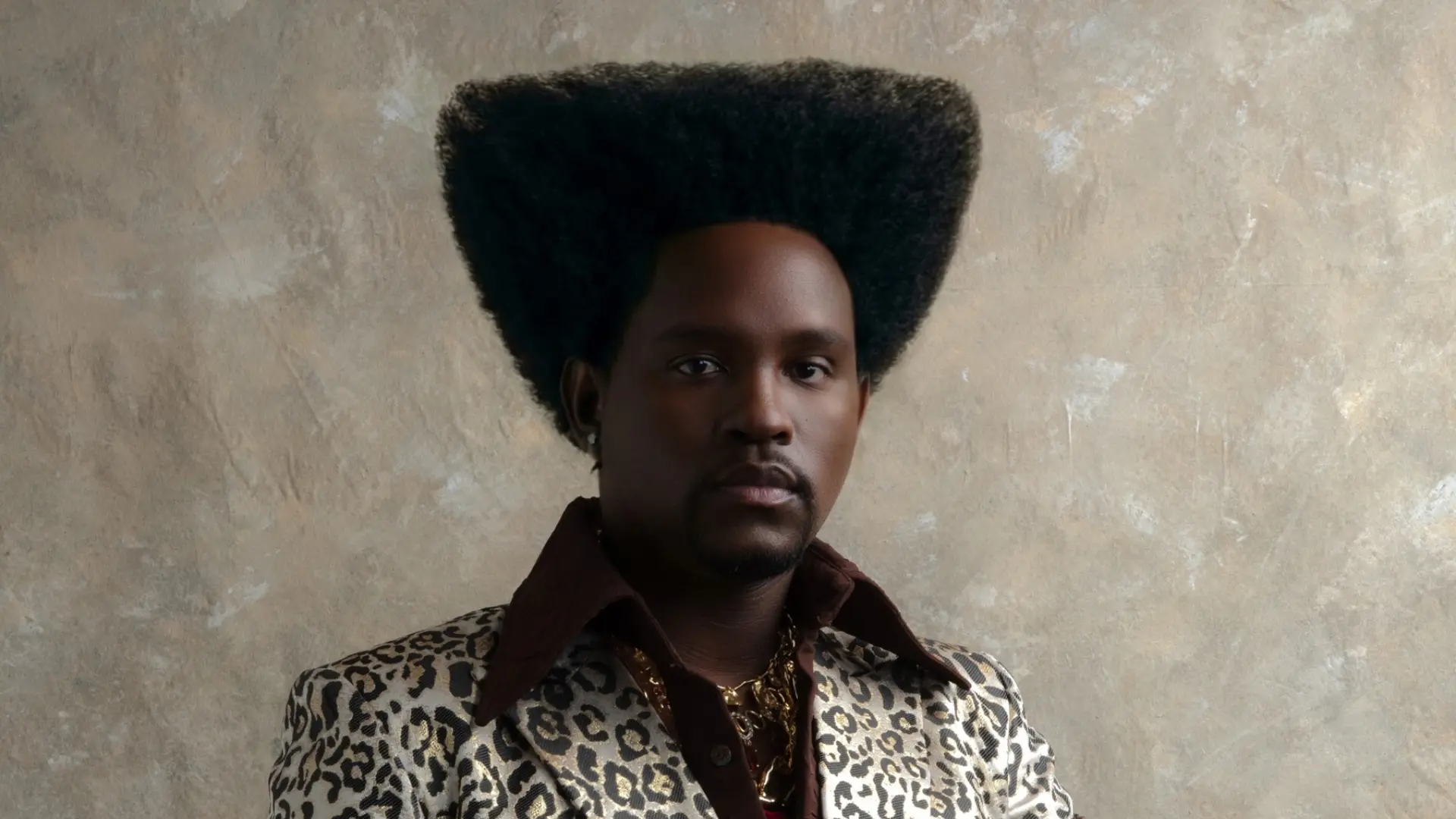
How has VNJ evolved over the years?
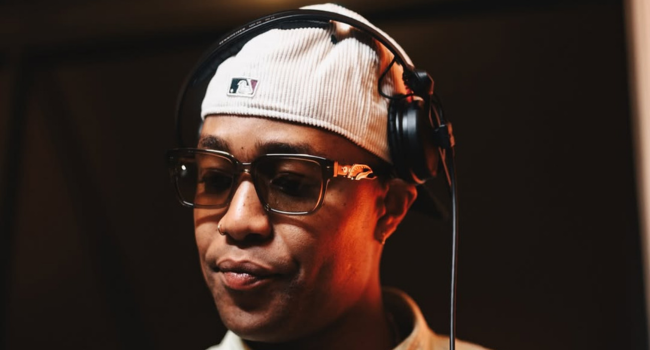
Initially, VNJ began in the intimate settings of Braamfontein and Newtown, focusing on underground and DIY approaches. In its early stages, the organization lacked a formal structure. However, as time progressed, it began to appreciate the importance of ballroom’s established rules, harmonizing them with its unique cultural context. This transition involved significant effort, learning from mistakes, and ultimately refining VNJ’s direction. A key focus was on developing the brand’s identity and its place within Johannesburg’s nightlife and other South African cities. VNJ represents a movement for the queer alternative, providing a space for individuals who felt marginalized in other environments and were searching for community and acceptance. With the 10th anniversary approaching, there is a sense that the journey is just beginning.
What drove your community-led focus for Pride this year?
For years, I observed the community fracturing into various subgroups, and my primary goal has been to unify individuals from diverse backgrounds because we share many common experiences and identities. My community-driven approach is rooted in my own experiences. The underground scene has instilled in me the belief that the dance floor functions as a community first. The attendees and their collective movement define the culture. Consequently, for Pride this year, my goal was to cultivate a celebration crafted with the community itself, focusing on those present and building from within. The evolution of Pride has led to a more polished and commercial representation, which I understand. However, the environments that influenced me were more about creating a sense of safety, visibility, and connection. I aimed to protect that essence by prioritizing community, which involves giving space to artists, ballroom performers, DJs, and those who have supported this scene long before significant sponsorship entered the picture. This effort is deeply personal, reflecting my own journey as well.
You’ve also curated four distinct Spotify GLOW playlists this month. Who are some of your artists to watch here, and how do you think they shape the future of music overall?
My intention was to showcase the spectrum of South African music, encompassing both underground and mainstream styles, and to highlight how sound and storytelling influence our identities and perceptions. Artists like Nakhane, Thandiswa, and Lebo Mathosa, along with Moonchild Sanelly and FAKA, represent this diversity. Additionally, emerging talents such as Q2K, LikkyLiks, and Muneyi are redefining the music landscape right now. I encourage listeners to approach these sounds with openness, experiencing the profound connection between culture and music.
What makes the VNJ Bodega event unique in the VNJ universe?
This event marks our first curation of a live music performance featuring artists we admire and wish to showcase to a wider audience. It represents the beginning of a new series of events. The inception of VNJ Bodega was driven by the desire to create opportunities for queer alternative artists who often go underappreciated and are infrequently booked, perceived as niche or inaccessible to mainstream audiences. Bodega is meant to challenge this narrative, fostering a space for music that typically isn’t played on radio or found in commercial clubs—addressing a gap in the current scene while building a more inclusive environment.