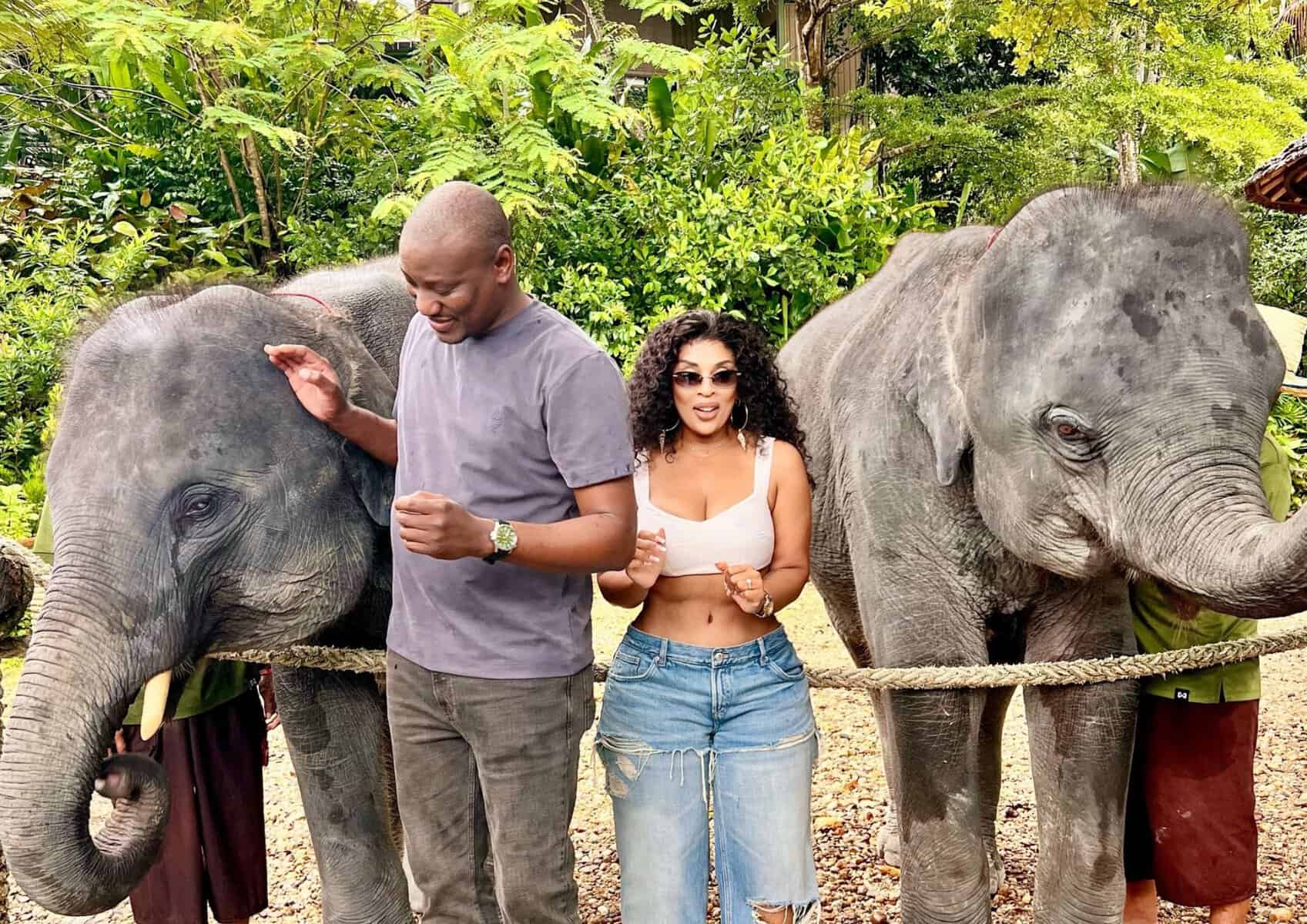
Nonku Williams’ family vacation snapshots became a viral topic, but it wasn’t the elephants that sparked discussion in Mzansi—it was the editing. We explore the phenomenon of ‘Facetune Blindness’ and why it keeps emerging.
A family vacation, a fiancé, some elephants, and a moment of blended family joy: on the surface, Nonku Williams’ recent holiday images appeared wholesome, yet social media had a different reaction.
The Real Housewives of Durban (RHOD) star’s photos ignited more conversation about her looks than the actual vacation. Fans raised eyebrows about whether she realized how excessively edited the photos appeared, with some comparing the aesthetic to wearing a mask.
One commentator remarked that “the faceapp always kills me”, while others questioned if she was the only one in the group photos who underwent editing.
This leads us to a term that keeps coming up in these discussions: Facetune blindness.
What is Facetune Blindness?
This term refers to the phenomenon that occurs when individuals consistently and intensely alter their photos using apps like Facetune or FaceApp, which can smooth skin, enhance brightness, reshape features, and apply various filters. Gradually, the altered version becomes the person’s new standard. The peculiar, mask-like effect that others quickly notice ceases to register for the individual who made the adjustments.
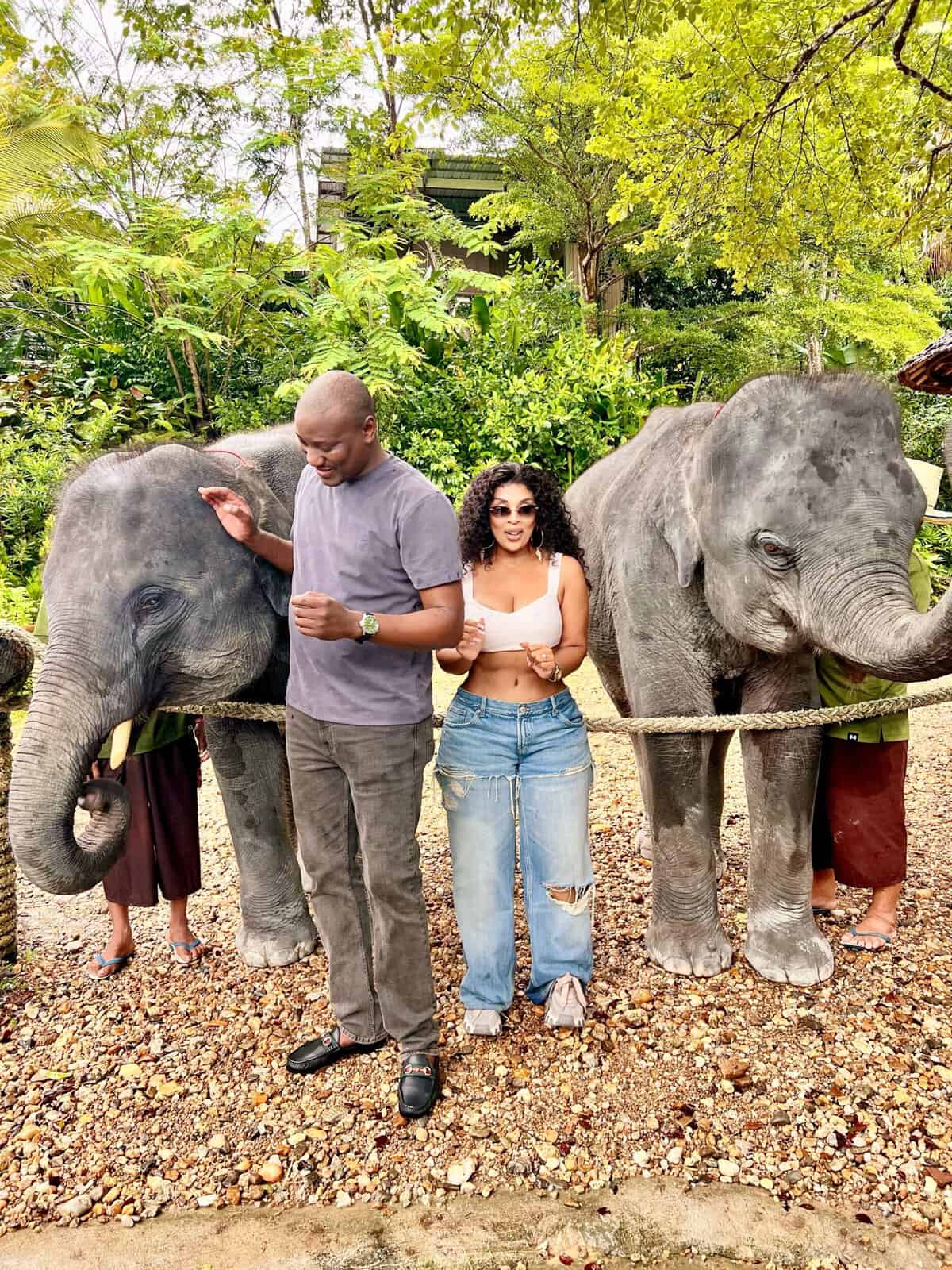
The disparity is the giveaway. The individual views a flattering enhancement, while others perceive an uncanny visage that contrasts with the untouched individuals and surroundings. Additionally, the illusion becomes starkly apparent when the FaceTune user shares a video, as apps that can seamlessly apply filters to moving images are not commonly available.
Why can’t they see it?
Such apps make significant enhancements deceptively simple.
Many begin with minor adjustments that escalate over time. Eventually, the edited appearance becomes the benchmark, whereas the unedited self begins to look less appealing. The loss of skin texture, consistent brightness, skewed backgrounds, and discordant lighting are the first signs outsiders recognize.
For public figures, the pressure amplifies exponentially. Social media platforms reward glossy, youthful portrayals, creating immense visual scrutiny for reality TV stars. This leads to a cycle of intensified editing and diminishing awareness of the extent to which they’ve modified their photos.
Not the first time
Nonku’s photographs aren’t the first instances that have sparked this discourse. Online discussions have repeatedly spotlighted similar issues concerning other public figures, including Omuhle Gela, Lerato Kganyago, and JoJo Robinson, when heavily filtered images make rounds. In JoJo’s situation, the dialogue sometimes intertwines with her candidness about cosmetic enhancements.
Fuelling dysmorphia
Photo editing tools that once required a professional touch in Photoshop are now at everyone’s fingertips. When used judiciously, they can enhance a poorly lit photo. However, excessive use may promote body dissatisfaction, create unrealistic standards, and spark interest in pursuing procedures aimed at attaining the digital vision.
The backlash resulting from the frequent application of these applications can be severe and biased. While not every flawless image denotes FaceTune blindness, the conversations sparked by such photos provide insight into what audiences expect from public figures: authenticity over flawlessness.