
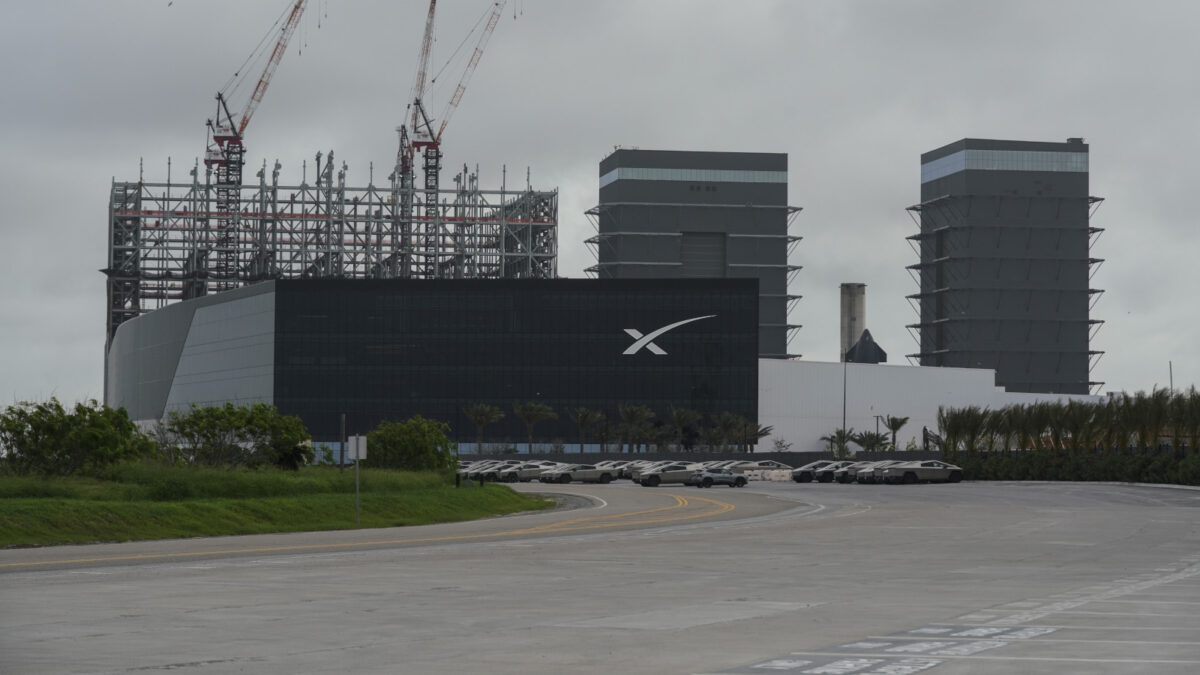
In October, Elon Musk’s net worth decreased by $68 billion (R1.132 trillion) following an 11% drop in SpaceX’s share price, which outweighed a 13% rise in Tesla’s stock value.
According to Forbes, Musk’s wealth fell from $936 billion to $869 billion, mirroring a similar decline among the world’s other top earners amid a downturn in technology stocks.
Originally from South Africa and a graduate of Pretoria Boys High, Musk achieved the distinction of becoming the world’s first trillionaire on June 12, following SpaceX’s public listing on the Nasdaq.
SpaceX, known for designing advanced rockets and operating the satellite internet service Starlink, ended its first trading day with an impressive market capitalization of nearly $2.2 trillion.
Since then, SpaceX’s stock has decreased by 6%. The company also connects to the broader artificial intelligence sector through xAI, which is the parent entity of Twitter/X and Grok, acquired ahead of the initial public offering.
Musk holds positions as chairman, CEO, and chief technical officer of SpaceX and maintains a 38% ownership interest in the firm, including options.
Additionally, he has a nearly 11% stake in Tesla, along with restricted shares that may grant him an extra 8% upon vesting, prior to taxes.
During a SpaceX earnings call on October 20, Musk indicated that both Tesla and SpaceX are evaluating the potential for a merger.
This merger could lead to Musk losing nearly all of his performance-based restricted shares in Tesla, as reported by Forbes.
Musk’s financial ascent began with the creation of PayPal, which was formed through the merger of his online bank X.com, founded in 2000, and a similar entity started by Peter Thiel.
eBay acquired PayPal in 2002 for $1.4 billion. Musk went on to establish SpaceX in 2002 in El Segundo, California, and became involved with Tesla in 2004 as an investor and chairman shortly after its founding.

Forbes noted that the collective wealth of the top ten richest individuals dropped by a total of $273 billion (R4.545 trillion) within the past month.
The decline was driven by disappointing tech earnings and worries regarding AI expenditures, which resulted in a nearly 5% drop in the Nasdaq last week.
The week began amidst anticipation of Facebook owner Meta Platforms’ earnings report on October 21, 2026, which significantly impacted market sentiment.
Meta disclosed a substantial increase in its capital expenditures for the year, leading to a 12% decline in its share price since that announcement.
In the subsequent week, earnings reports from major AI investors within the Nasdaq 100 indicated robust growth in cloud computing; however, investors reacted negatively.
They expressed concern over the rising costs of expanding data centers, which are increasingly affecting free cash flows.
Bloomberg reported that this resulted in a sharp sell-off on Friday, pushing the Nasdaq 100 Index’s October losses to 6.7%, marking its most challenging month since the introduction of U.S. tariffs in March 2025.
Alphabet, the parent company of Google, suffered a significant setback after its shares plummeted 13% on Thursday, marking their most significant single-day drop following disappointing sales figures in its core search business.
This decline also reflected a second consecutive quarter of negative free cash flow for Alphabet, a first in its history as a publicly traded company, leading to a loss of $500 billion (R8.324 trillion) in market capitalization.
Kim Scott, a former lead of Google’s advertising initiatives, remarked that the company would “rather eat its own lunch than allow someone else to eat their lunch” by having its AI summaries affect its search revenues.
In an interview with the BBC’s Today programme, Scott noted Google’s foundation is built on long-term technological investments, including AI, even if such moves temporarily compromise short-term results.
Following Google, Amazon.com revealed significantly worse-than-expected negative free cash flow attributed to increased capital expenses, alongside the slowest growth in its e-commerce sector in three years, causing its shares to shrink by 5.6% over two consecutive trading sessions for the worst performance since July.
Anthony Saglimbene, chief market strategist at Ameriprise, stated, “This is a reflection of investors becoming more discerning, because I don’t think every hyperscaler is going to be a winner moving forward.” He emphasized that long-term success will depend on companies’ spending, returns, and how effectively they maintain competitive advantages to continue growing revenues.
Don’t miss the latest news