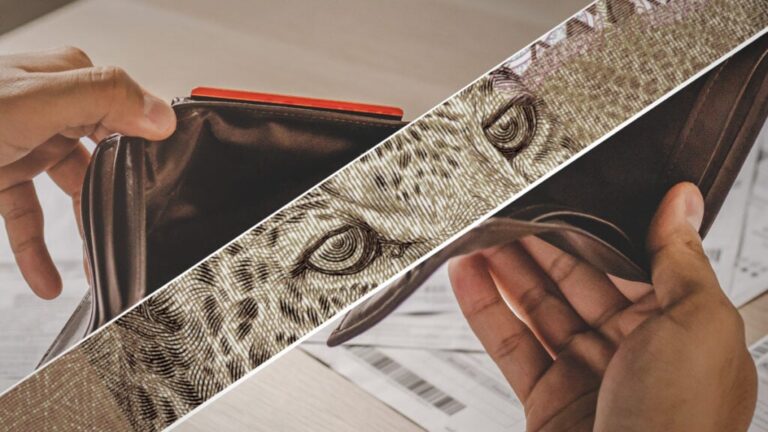

 The Commissioner of the South African Revenue Service (SARS), Johnstone Makhubu, is making efforts to reclaim billions in tax revenue lost to the underground market for cigarettes and alcohol.
SARS is preparing to roll out a new tracking system designed to combat this growing illicit trade.
It is estimated that illicit cigarettes make up as much as 75% of all cigarettes sold in South Africa, resulting in over R27 billion of lost tax revenue for the government each year.
A study by Oxford Economics suggests that South Africa incurred a loss of R85.6 billion in potential value-added tax (VAT) and excise duty revenues from illegal cigarette sales between 2019 and 2022.
This situation is alarming, particularly as excise duties have consistently risen, and VAT was increased from 14% to 15% in 2018.
Currently, excise duties represent more than half of the average retail cost of legally sold cigarettes, with lawful manufacturers passing these costs onto consumers.
Interestingly, higher taxation has not necessarily led to increased government revenue. Oxford Economics observed a 36.3% drop in excise duties collected from the tobacco sector, which fell to R11 billion in 2020.
Additionally, data from SARS outlined by the Finance Minister indicated that revenue from tobacco and cigarette products decreased from R13.4 billion in the 2015/16 fiscal year to R9.4 billion in 2024/25.
This equates to a decline of R4 billion, or 29.6%, over a ten-year span.
The ban on cigarette sales during the Covid-19 pandemic significantly exacerbated the illicit market’s growth, alongside rising excise duties.
The stark price disparity between legal and illegal cigarettes illustrates the challenge. An illicit pack of 20 could cost as little as R5, while the cheapest legal pack is about R37.
The minimum tax on a legal pack of 20 cigarettes stands at R27.12, meaning SARS is missing out on considerable excise revenue.
Plan to make cigarettes more like banknotes
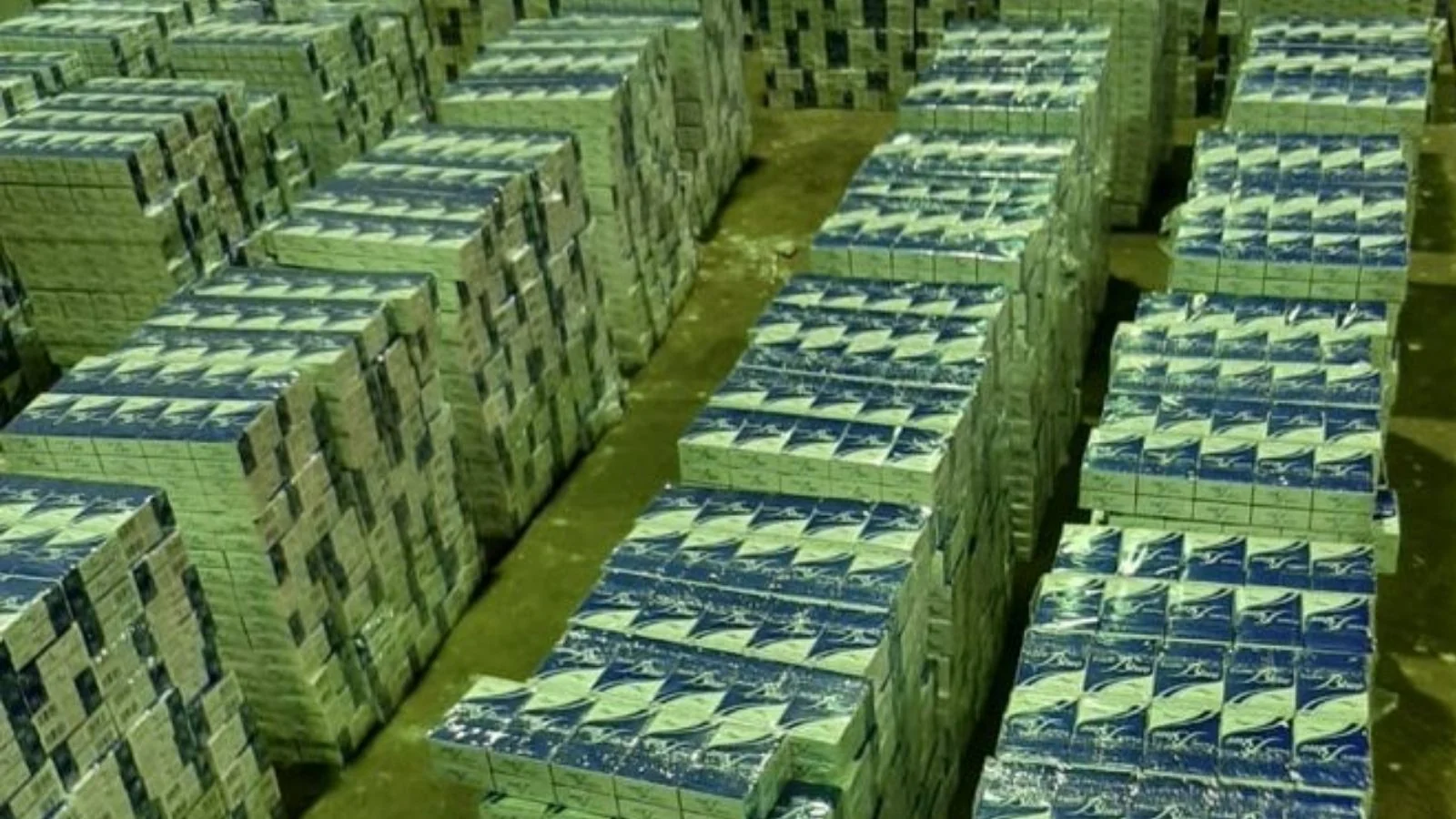
In a presentation to Parliament’s Standing Committee on Finance on 14 October 2026, National Treasury and SARS discussed this ongoing issue, prompted by public feedback on the 2026 Draft Tax Bills.
The presentation noted the difficulty in raising cigarette excise duties given the large share of sales attributed to the illegal market.
Contrary to other tobacco products, increases on cigarette excise have only been adjusted for inflation since 2023. To address this, SARS is turning to technology to enhance enforcement capabilities.
In September 2026, Commissioner Makhubu reiterated SARS’s dedication to combating illicit trade.
“SARS aims to disrupt illicit activities that undermine fair competition, threaten jobs, and weaken economic growth,” he stated.
“The organisation is using technology and coordinated enforcement to strengthen its response to fraud, tax evasion, and cross-border syndicated financial crime.”
SARS has also informed Parliament of its intention to publicly launch its track-and-trace proposal shortly.
The initial phase will focus on tobacco products, with implementation expected in the second quarter of the 2027/28 financial year.
According to Professor Keith Engel, CEO of the South African Institute of Taxation, the introduction of electronic security markers on cigarette and alcohol packaging could significantly mitigate illicit trade.
This technology acts like an electronic stamp, allowing SARS to monitor products from production through the distribution chain and confirm that the correct excise duties have been paid.
Engel noted that this could also prevent products from exiting South Africa and re-entering without the appropriate duties paid.
“When a shopkeeper buys some of these things, they’ll see that there’s supposed to be an excise charge on this. If they resell them, they’ll be caught with a liability,” he explained.
While Engel believes the system may not completely eliminate illegal trade, he is confident it could significantly reduce the market and generate enough additional revenue to cover its implementation costs.
“It is somewhat expensive, but according to the research studies, it takes such a drastic cut that the revenue is well worth it. You’ll get your money back very, very quickly,” he commented.
He referenced countries like Kenya, Germany, and France, which have adopted similar tracking solutions with varying levels of effectiveness.
Nonetheless, Engel emphasized that reinstating lost revenue should coincide with stricter oversight of government spending and the public sector’s expenses.