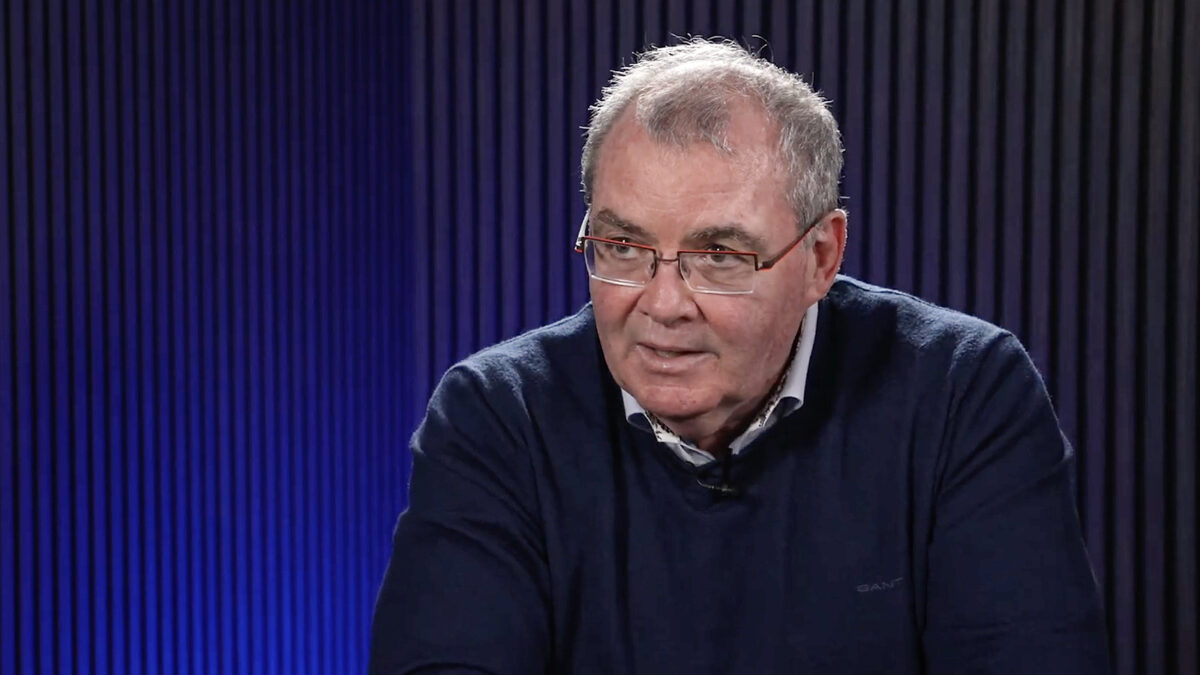
In a recent episode of TimePrints, Aki Anastasiou chats with David O’Sullivan, who shares insights about his notable broadcasting journey and his choice to prioritize family time.
O’Sullivan has made a name for himself as a writer, broadcaster, and media consultant, earning recognition across South Africa.
His career commenced in the radio sector, where he spent time with various stations, including Capital Radio, Talk Radio 702, Power FM, Hot919 FM, and Kaya FM.
After a short period as a media attorney, he returned to the field he truly loves—journalism.
From 2001 to 2012, he presented live sports on SABC TV, and in 2013 and 2014, he contributed to Carte Blanche, covering the Oscar Pistorius Trial Channel.
Nowadays, O’Sullivan offers consulting services to corporate entities concerning media issues.
This role encompasses training executives on effective interview techniques and producing podcasts aimed at both internal and external communications.
During this interview on TimePrints, O’Sullivan reflects on his broadcasting experiences and the significant events that have shaped him both personally and in his career.
He starts by sharing how his early interest in radio led him to forgo a medical career for journalism at Rhodes University.
O’Sullivan describes his time as a journalist during the last years of apartheid, detailing the obstacles faced due to strict media regulations and the violence surrounding South Africa’s shift to democracy.
He recalls the harrowing experience of surviving the 1992 Bisho massacre, where he documented the shooting of protesters, emphasizing the lasting psychological effects of that day.
Additionally, he reflects on covering pivotal moments in South African history, including Nelson Mandela’s release and the assassination of Chris Hani.
Throughout his conversation, O’Sullivan reviews his successful tenure at Talk Radio 702, the influential figures he has interviewed, and his coverage of prominent sports events.
He explains his decision to depart from his high-profile broadcasting role to dedicate more time to his family and how parenting his autistic son has imparted lessons in patience, acceptance, and empathy.
O’Sullivan concludes by narrating his family’s experiences and the obstacles they have faced, underscoring the significance of being available for his loved ones as the most vital aspect of his life.
Don’t miss the latest news