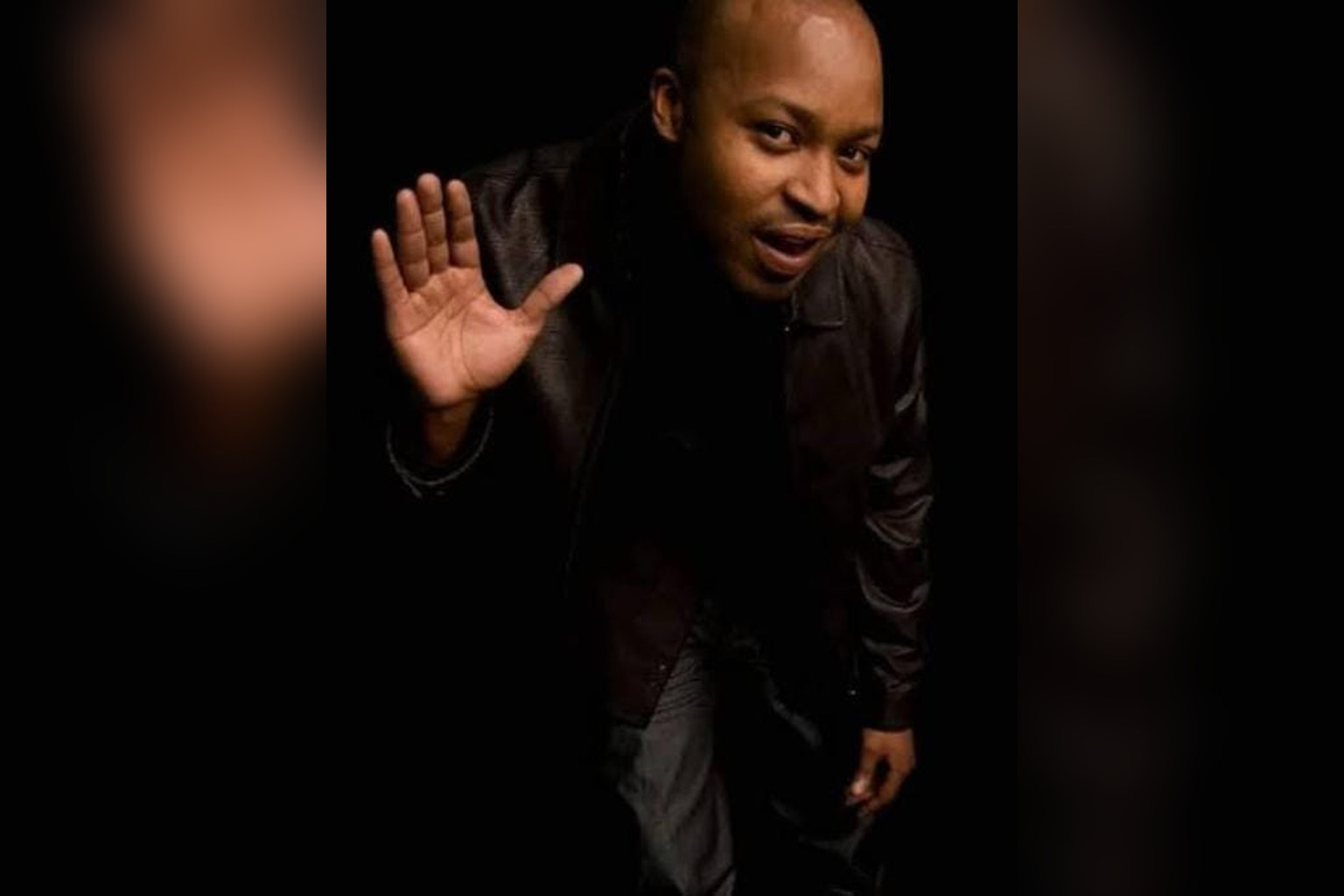
In what would have marked his 50th year, the South African music community is invited to come together in honor of the remarkable life and legacy of Tokollo “Magesh” Tshabalala, a pivotal lyricist, songwriter, and cultural innovator in the history of South African music.
Instead of observing a moment of silence, we are promoting a Moment of Music on October 14, urging radio stations, broadcasters, DJs, music compilers, streaming platforms, media figures, and fans nationwide to play ‘MAGESH’ from TKZee’s iconic album, Halloween, and share tributes on social media using the tunes that set the backdrop for an entire generation.
For countless South Africans, Magesh’s voice transcended music.
It represented the essence of a new democracy gaining its confidence, style, and identity.
As a founding figure of TKZee, with Kabelo Mabalane and Zwai Bala, Magesh played a key role in transforming South African popular culture during the late 1990s, delivering groundbreaking hits like ‘Phalafala’, ‘Shibobo’, ‘Dlala Mapantsula’, ‘Mambotjie’, and ‘We Love This Place’, among various others.
Unveiled in 1998, Halloween emerged as one of the most significant albums in the annals of South African music, selling over 200,000 copies, achieving Platinum certification, and garnering four South African Music Awards.
Celebrated for his exceptional lyrical talent and seamless storytelling, Magesh was pivotal in elevating Kwaito from the township streets to the forefront of South African culture and beyond. His songwriting skills, charisma, and innovative vision made him a central figure in the genre.
Beyond his tenure with TKZee, Magesh had a successful solo career, with projects such as Ndabezitha, Gusheshe, and The Longest Time, while he continued to influence the industry as a writer, producer, mentor, and entrepreneur.
In acknowledgment of TKZee’s significant role in South African music history, the group was honored with a Lifetime Achievement Award at the South African Music Awards in 2019.
Today, four years since his passing, Magesh’s impact is still profoundly felt. His influence can be detected in modern South African Hip Hop, Amapiano, Kwaito, and popular culture.