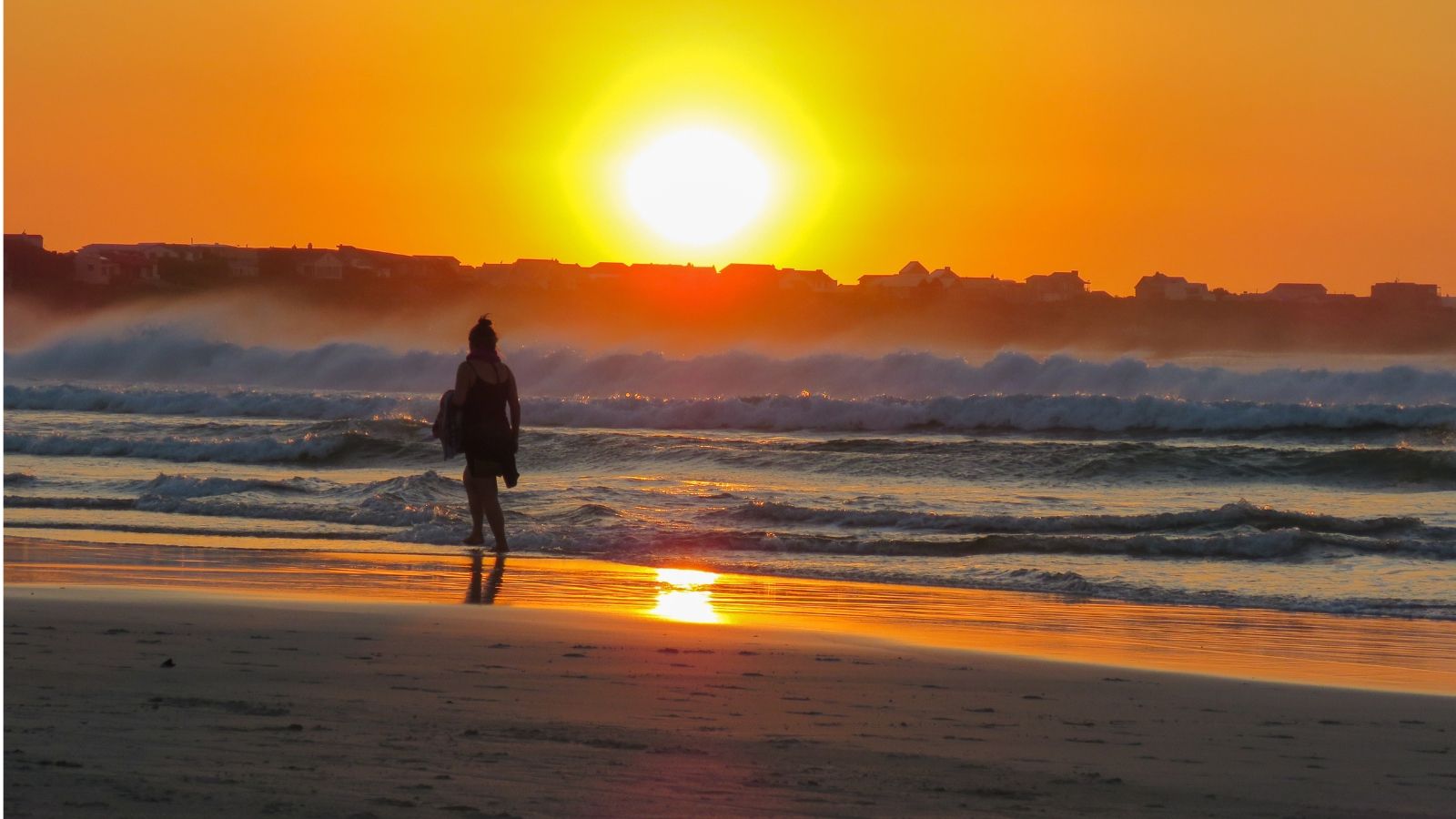
 Several small coastal communities in the Western Cape are subject to regulations concerning streetlights, security fences, and other protective barriers.
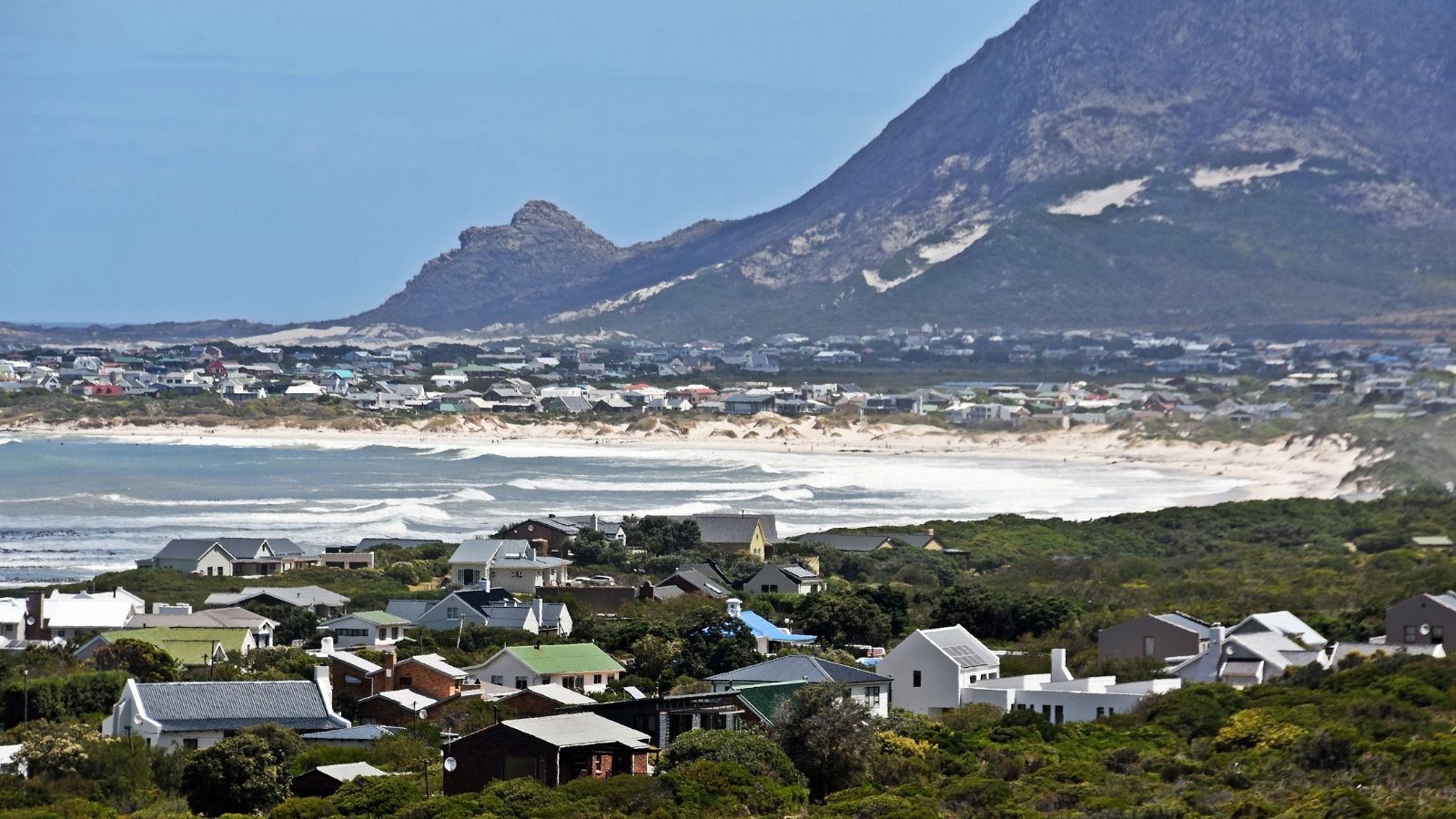
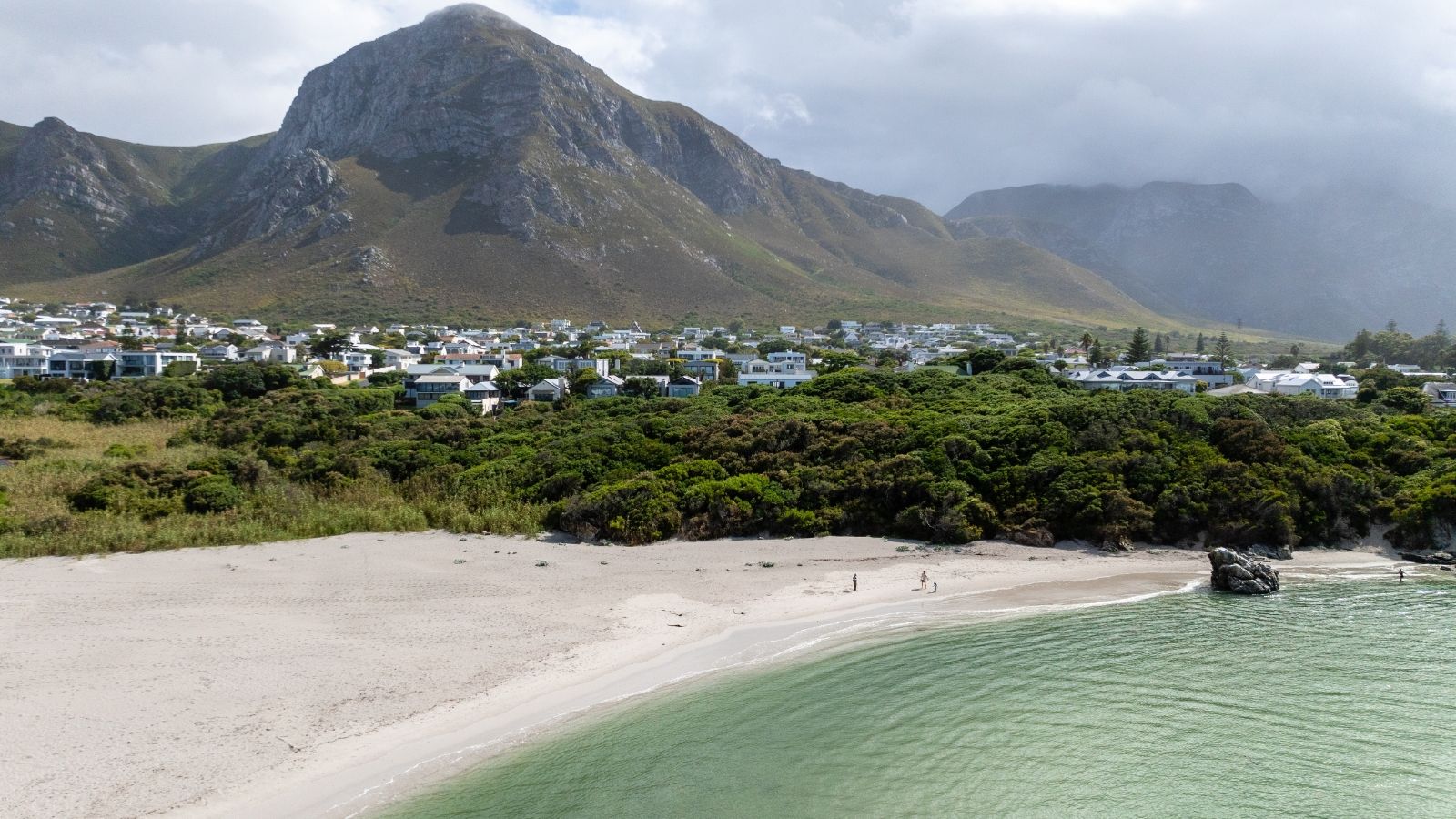
Betty’s Bay, Pringle Bay, and Rooi-Els, located on the Hangklip coast, belong to the Overstrand Municipality.
Additionally, these villages are part of the Kogelberg Biosphere Reserve, a UNESCO-recognized region celebrated for its ecological diversity.
The planning guidelines aim to maintain the rural essence of these areas, mitigate artificial light pollution, and facilitate wildlife movement between the mountains, fynbos, and the coast.
These guidelines are articulated in the Hangklip Villages Conservation Overlay Zone (HCOZ), the Overstrand Municipality Land Use Scheme, and the municipality’s Fences and Fencing By-law.
One regulation pertains to typical street lighting, which is not allowed unless a defined proportion of property owners are in favor of it.
According to the conservation overlay provisions, street lighting installation requires documented support from at least 66% of registered property owners in the village.
This rule aims to maintain the area’s dark-sky condition and minimize the adverse effects of artificial light on nocturnal animals.
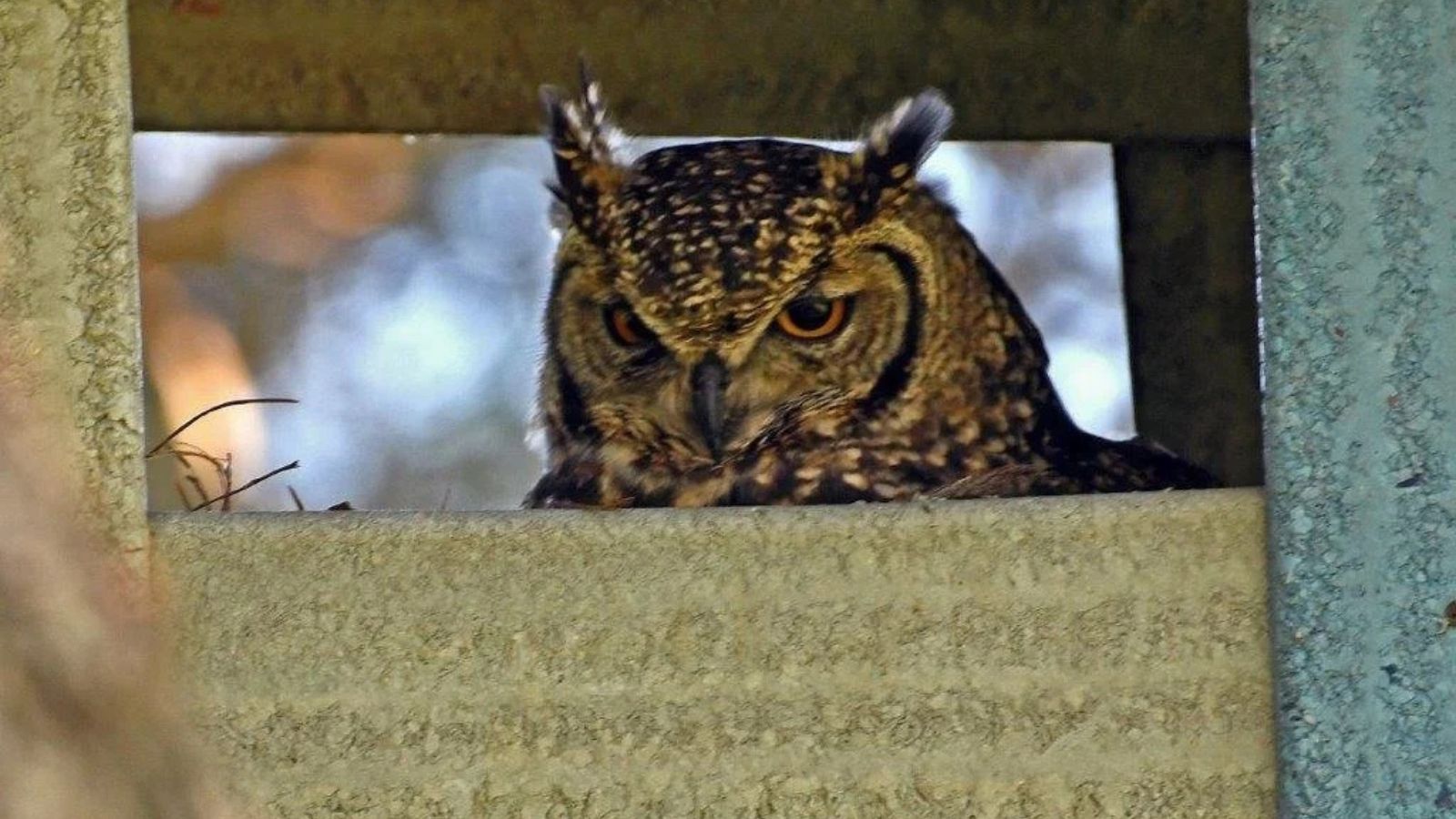
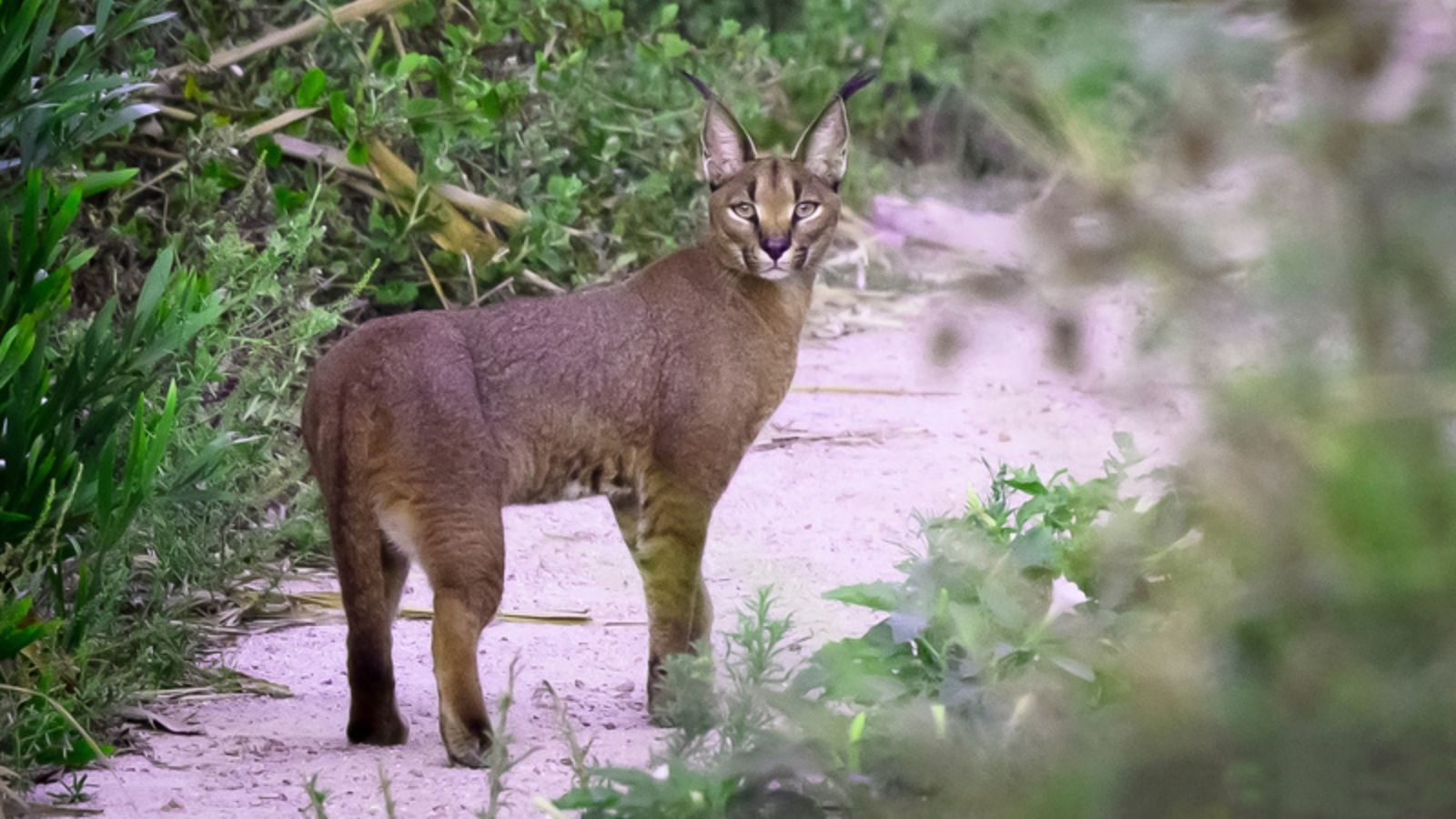
<p species that depend on natural darkness, such as caracals, owls, bats, and Cape grysbok, can be disturbed by artificial illumination, which may also disrupt local insects, coastal birds, and marine organisms.
The municipality imposes constraints on outdoor lighting for individual properties to curb excessive illumination from impacting neighboring residences and public areas.
Homeowners are encouraged to install outdoor lighting in a downward direction to prevent light adjacent to property boundaries.
Sensor-activated lights are suggested as an alternative, since they remain off when not in use.
The rules also define criteria for what constitutes a public nuisance, including light sources exceeding 500 candela, illumination surpassing three lux, or an upward light ratio greater than 2.5%, measured from streets, public places, or property limits.
Electric fence restrictions
 Durban, South Africa – 6 December 2020: A yellow warning placed on an electric fence to signify to others the danger of touching the fence as crime increases in the country
Security measures also face similar restrictions, particularly when they might inhibit wildlife movement or pose risks to animals.
The municipality’s Fences and Fencing By-law mandates obtaining prior written approval from the municipality for certain perimeter arrangements.
This includes electrified fences and barriers incorporating barbed wire, spikes, or other sharp elements.
Typically, electrified fences are only allowed atop walls that are at least 1.8 meters high, in line with electrical safety regulations.
Approval from the municipality is necessary, as standard fences on lateral and rear property borders must not exceed 1.8 meters, while those within 4.5 meters of a street boundary should not go beyond 1.2 meters.
The Overstrand Land Use Scheme delineates guidelines for boundary walls and fences, generally allowing a maximum height of 2.1 meters, with electrified options permitted above that limit.
These constraints are pertinent to Betty’s Bay and the neighboring villages, where homes are situated within a sensitive environmental context.
Fauna such as tortoises, porcupines, small antelope, and baboons frequently traverse the region.
Solid walls and poorly designed security barriers can block these pathways, while electrified or sharp barriers at ground level may harm smaller creatures.
The regulations aim to strike a balance between property protection and environmental conservation, ensuring that residential developments do not inadvertently disrupt natural habitats.
For homeowners in these communities, this translates to prohibitions against installing conventional streetlights, erecting tall boundary walls, or adding certain types of security features absent municipal approval.
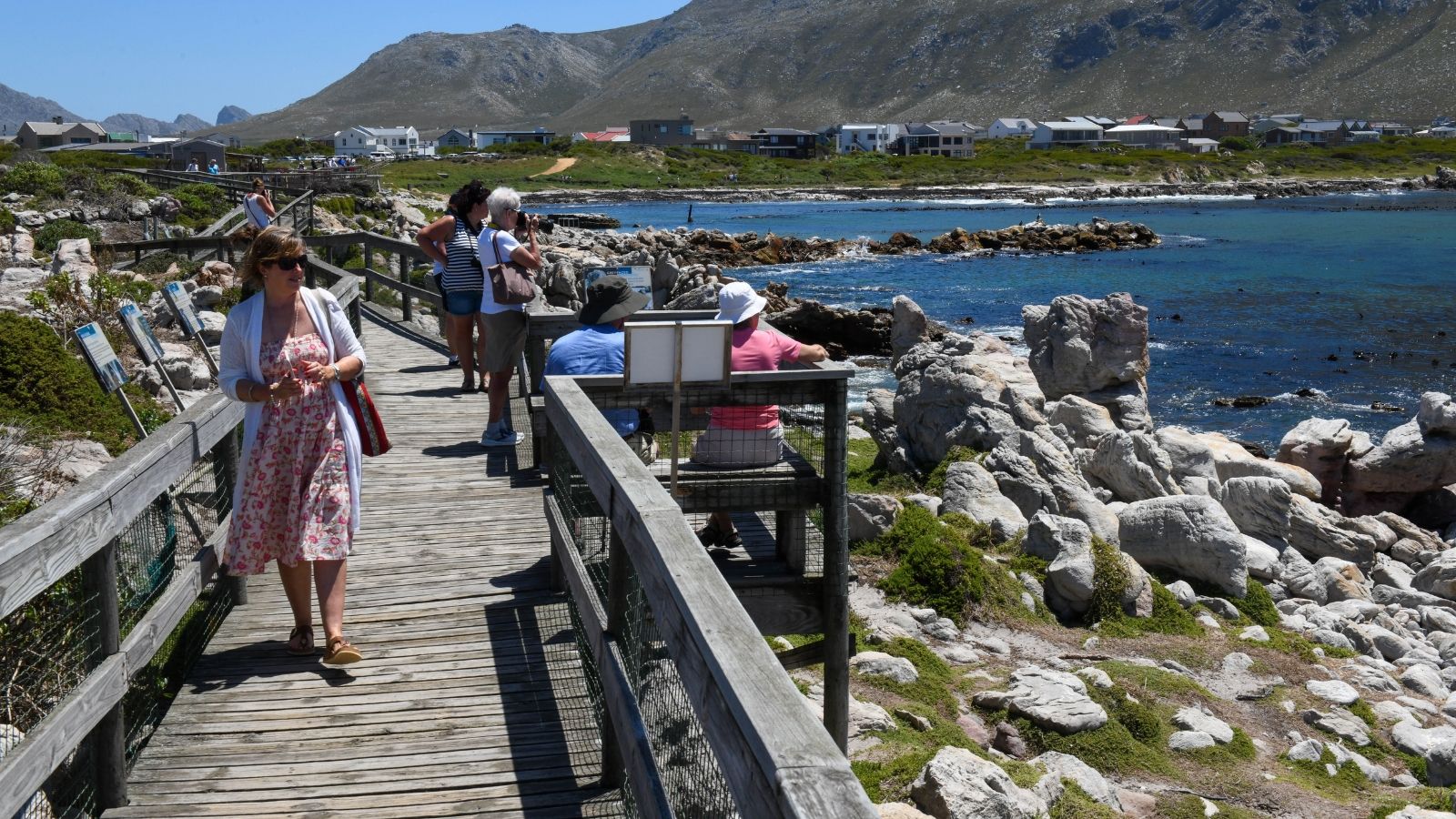
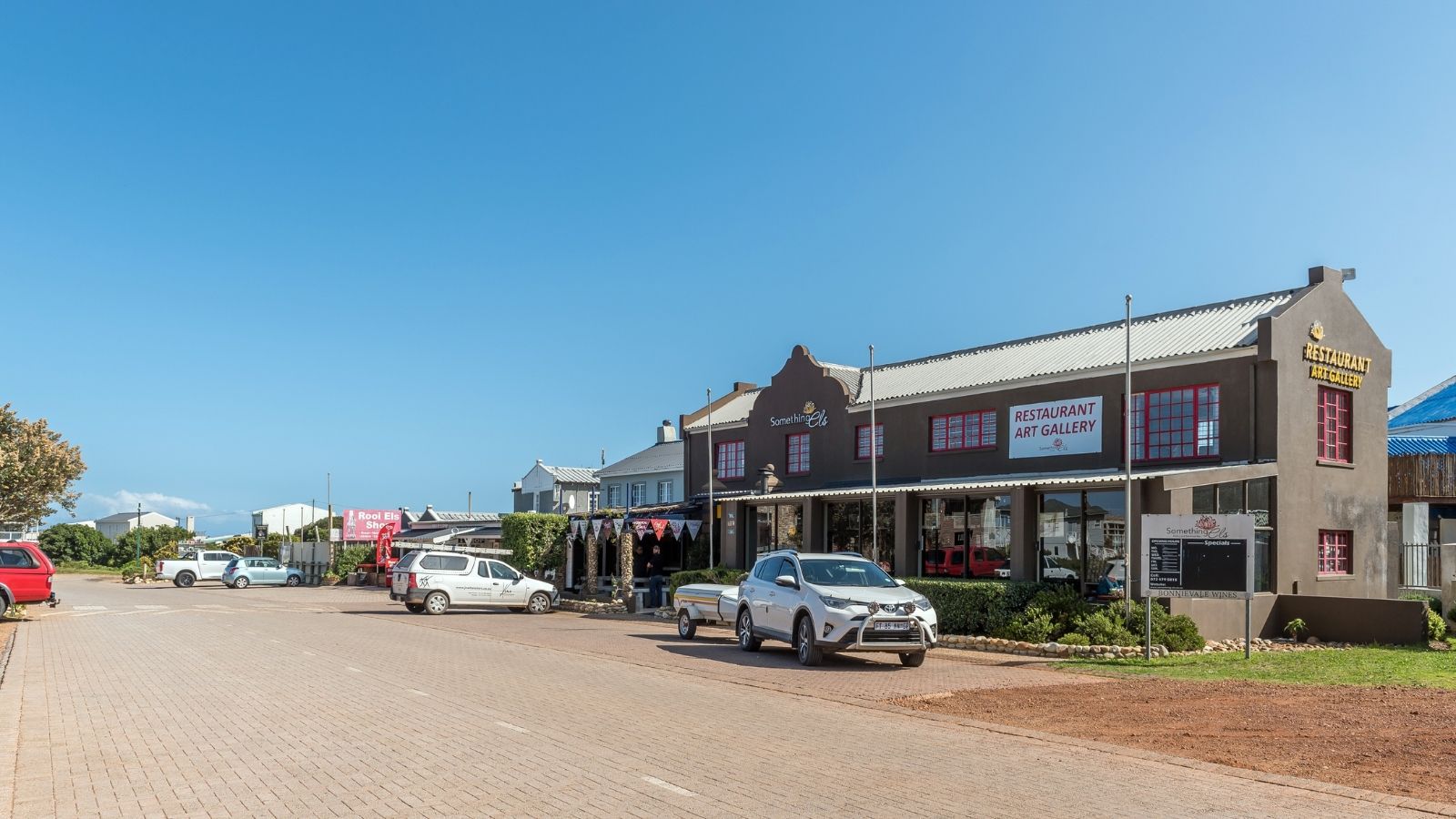
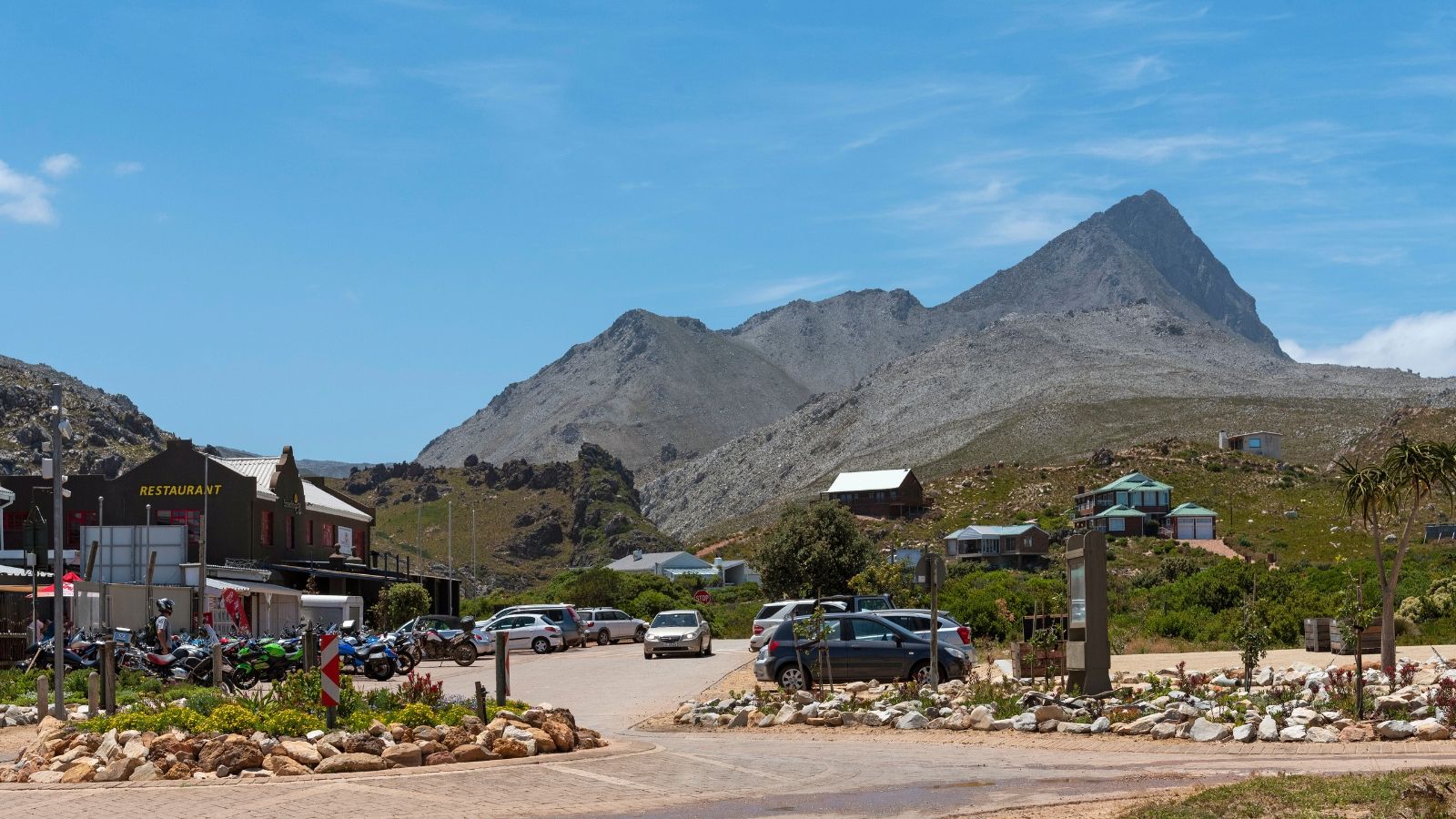
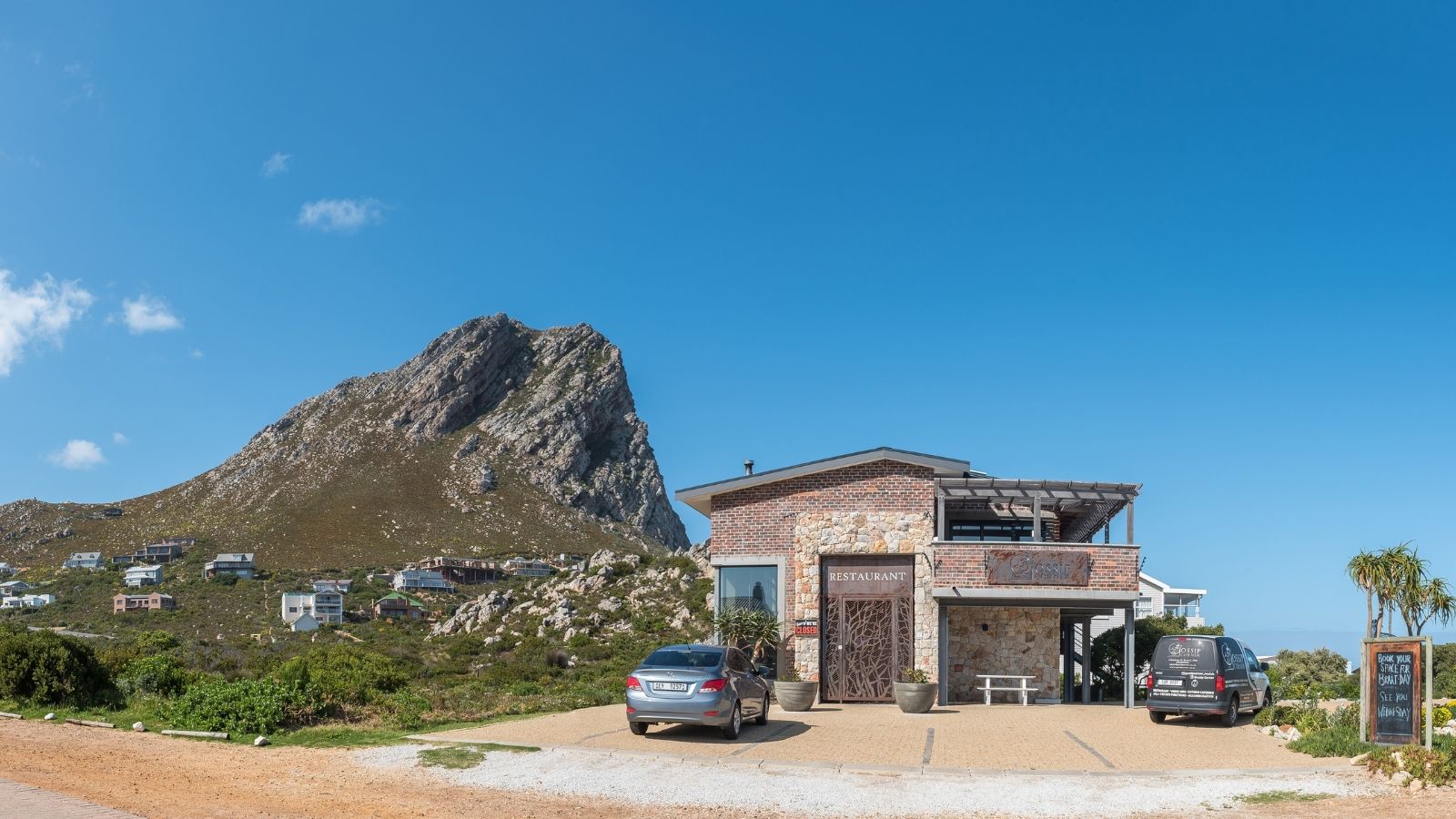
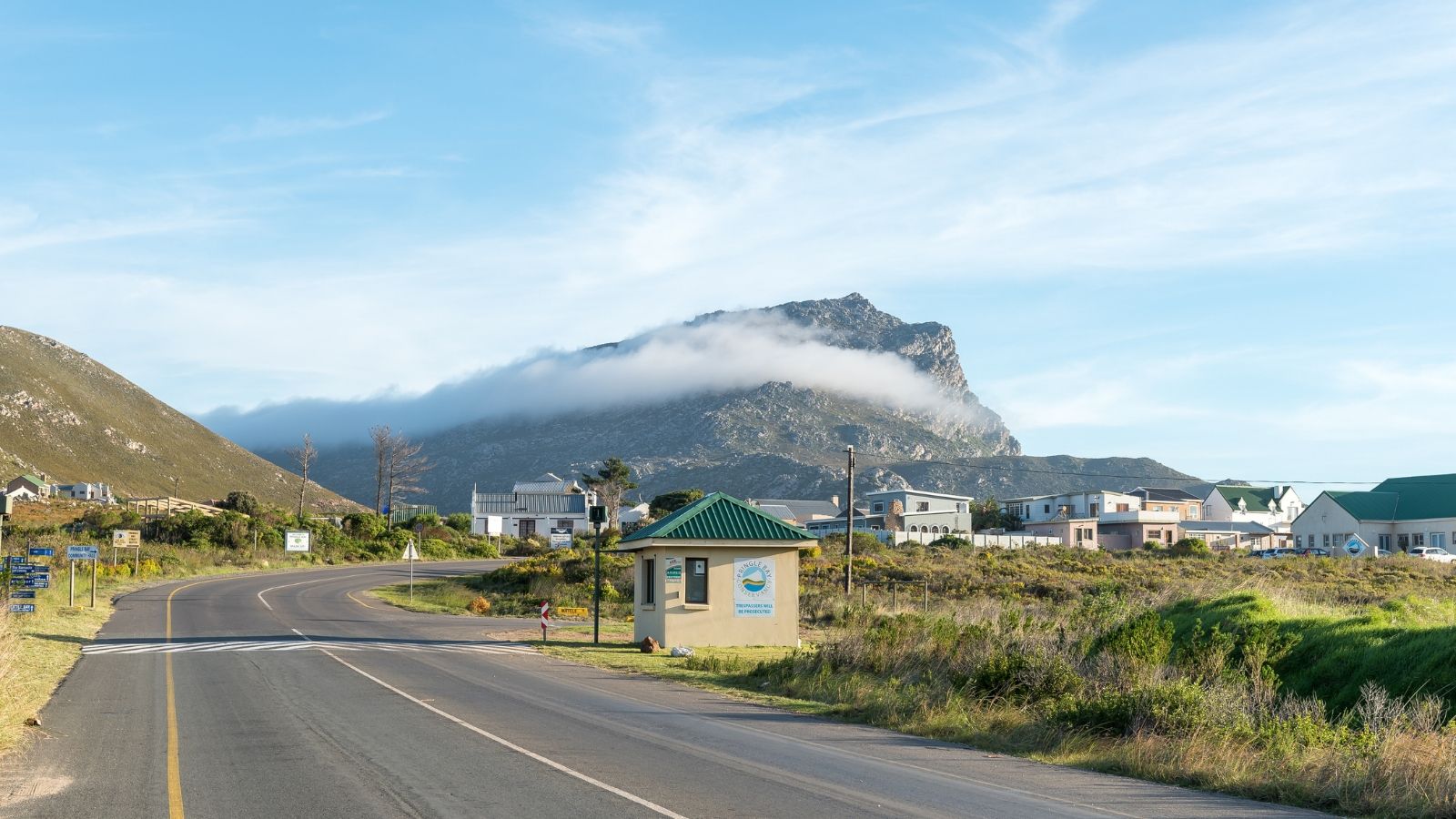
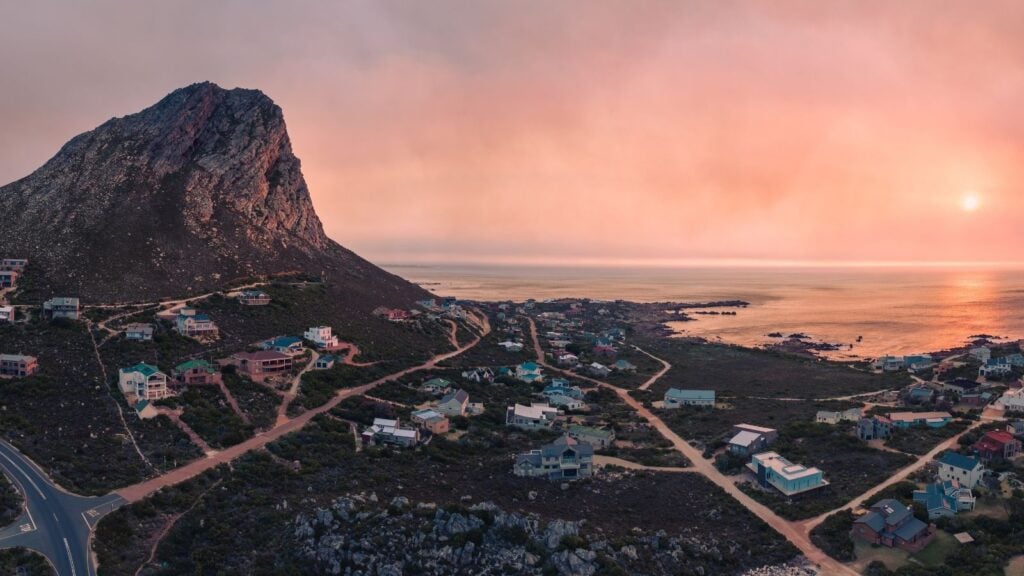
Photos of towns in the Kogelberg Biosphere Reserve