
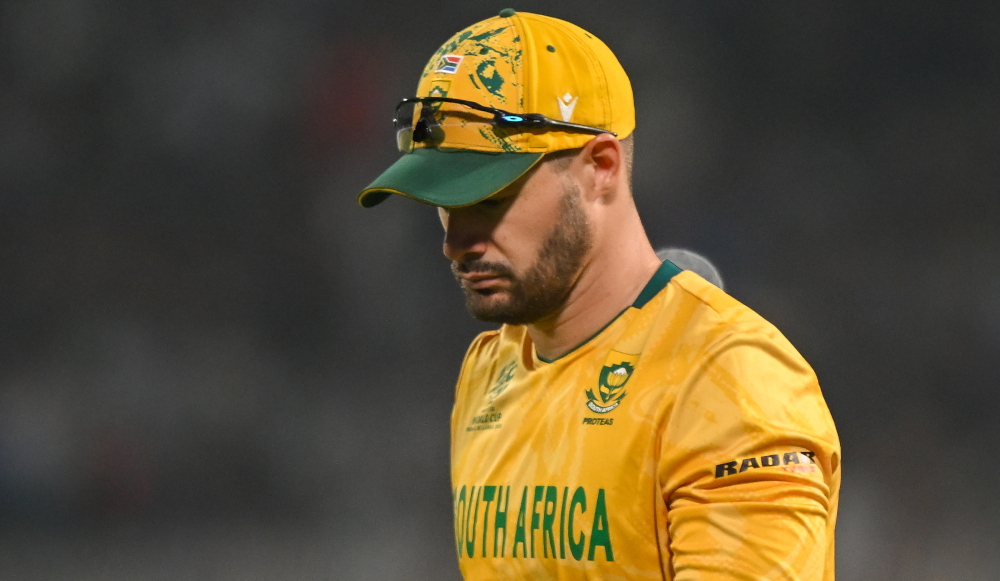
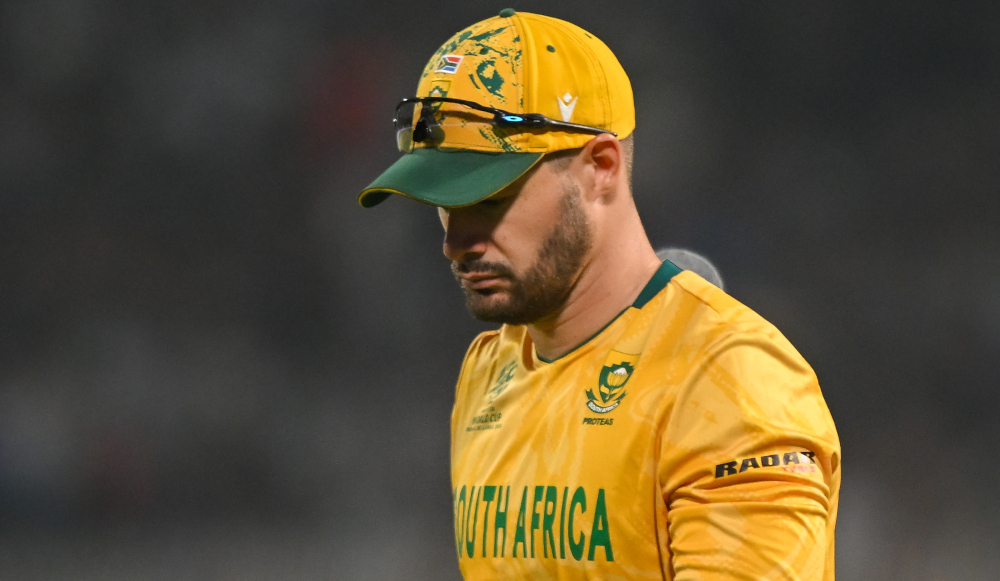
Proteas T20 captain Aiden Markram. (X)
Aiden Markram refrained from using the terms “learning curves” or “silver linings” after a disappointing match at Eden Gardens on Wednesday. Instead, he directly addressed the emotions weighing heavily on South African cricket enthusiasts.
“It’s a big, not slap in the face, but it feels like it,” the Proteas captain stated, expressing the burden of a campaign that had been nearly perfect until a critical moment.
Coach Shukri Conrad stood by him, tasked with explaining a nine-wicket defeat that resonated painfully with viewers at home. While fans sensed the return of negative memories, Conrad maintained that the loss stemmed from tactical errors rather than mental collapse. He emphasized that it wasn’t an issue related to “the big stage,” but rather a New Zealand team that performed flawlessly.
Throughout the tournament, South Africa demonstrated dominance, emerging undefeated in the T20 World Cup until the semi-final. Their performance hinted that the “choker” label was finally being shed. However, that perception unraveled rapidly as New Zealand’s batsmen executed their chase with sharp precision.
Analysis of this loss will likely focus on a pitch that appeared favorable for batting yet proved challenging for the South Africans. Markram acknowledged that the team anticipated a better surface but instead encountered one that resulted in inconsistent bounces. This was a stark contrast to the fast, lively pitches in Ahmedabad where the Proteas had thrived earlier.
The top order, which had excelled for much of the tournament, faltered against New Zealand’s disciplined bowling. An early setback came from Cole McConchie, a surprising substitute spinner, who quickly dismantled South Africa’s start by taking out both Quinton de Kock and Ryan Rickelton with consecutive balls during the second over.
Both wickets fell to deliveries they would usually dispatch easily. Yet, De Kock misplayed a pull shot, while Rickelton executed a weak cut. This led to a sequence of quick wickets, sending the Proteas from a precarious 55/2 to a troubling 77/5, with Markram, David Miller, and Dewald Brevis falling prey to the mounting pressure of dot balls.
The Lone Resistance
The only notable resistance came from Marco Jansen, whose inclusion at number seven had sparked debate during the tournament. On this occasion, he delivered an outstanding performance. Jansen struck five towering sixes in an unbeaten 55 off just 30 deliveries, helping South Africa reach 169/8.
At the mid-point, there was a fleeting sense of competition. However, this was quickly overshadowed by Finn Allen, who unleashed a blistering performance. If South Africa’s innings struggled for momentum, the New Zealand chase was a display of raw aggression. Allen scored a remarkable unbeaten 100 off just 33 balls, marking the third-fastest century in T20 International history.
Alongside Tim Seifert (58), Allen treated the normally formidable Proteas bowling attack as if they were amateurs, accumulating 83 runs in the powerplay alone. By the time Kagiso Rabada managed to dismiss Seifert, New Zealand had amassed 117 runs in under ten overs. The outcome appeared settled even before the dew began to settle on the pitch.
The South African dressing room displayed familiar expressions in the 12th over—De Kock shaking his head, Miller looking frustrated, and a “ghostly look” of previous disappointments reflecting the anxiety in the eyes of younger players.
For Conrad, this defeat underscored a troubling trend of the national team faltering in crucial moments, which he insisted was not merely about nerves. “It’s got nothing to do with nerves and the sense of occasion, nothing like that,” Conrad asserted. “New Zealand were just excellent on the night.”
Conrad identified the poor wicket and South Africa’s struggle to adapt quickly as critical issues. While New Zealand executed their plan effectively, South Africa appeared to be in a state of stagnation, unable to revert to the efficient style of play that had served them well throughout the earlier stages.
“You get back on the horse, and you try and improve as a group,” Markram stated, seeking a forward-looking perspective. However, as the team returns home, the necessary reflections will be difficult. The Proteas did not merely lose a match; they forfeited a sense of confidence they had meticulously built over the preceding month.
South Africa had arrived undefeated, until they were not. In the world of ICC knockouts, a single poor performance can transform a dream into a reality check. Markram and Conrad must now assess whether this was merely an unfortunate incident or indicative of deeper issues within the team.