Newborns Arrive Amid Uncertainty at Sherwood Encampment
In a migrant camp established in Durban’s Sherwood area, twelve infants have been born, bringing a glimmer of hope amid a growing humanitarian crisis affecting South Africa.
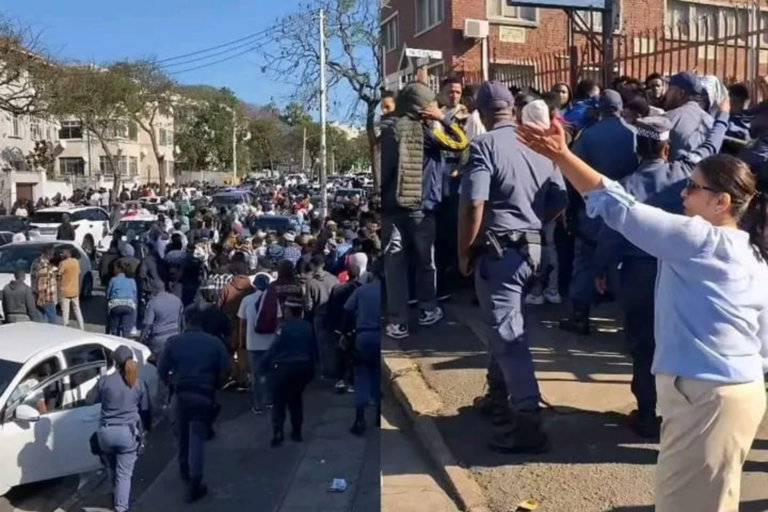
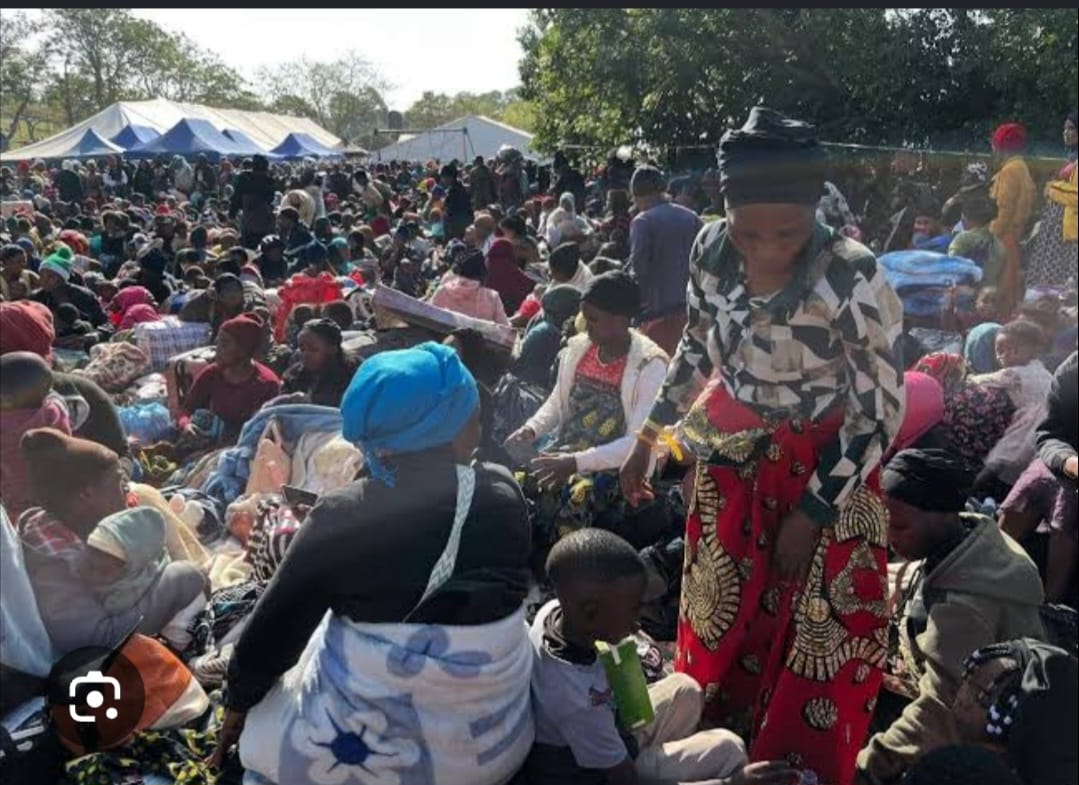
The Department of Home Affairs has acknowledged these births at the large encampment that has formed around the Sherwood Community Hall. Thousands of Malawian nationals have taken refuge there since early June 2026, escaping increasing anti-migrant hostilities throughout KwaZulu-Natal.
Families have endured harsh living conditions under makeshift shelters while they await clarity on their future, as authorities work to implement a significant voluntary repatriation initiative. Among the displaced are mothers, newborns, toddlers, and elderly individuals, many arriving with only the essentials they could carry.
Thousands Displaced Following Anti-Migrant Tensions
The camp was established in response to a series of anti-migrant demonstrations and local unrest that compelled numerous foreign nationals to abandon their homes and jobs.
Many Malawian nationals have reported being forced out by landlords or local inhabitants, while others have lost their jobs due to issues related to documentation. What began as a temporary sanctuary has transformed into a multifaceted humanitarian and immigration dilemma involving hundreds of at-risk families.
Authorities estimate that the number of occupants at the site has varied between over 1,000 and nearly 1,900, marking it as one of the most significant migrant displacement incidents in the province in recent times.
Home Affairs: Majority of Camp Occupants Are in South Africa Illegally
Home Affairs officials have confirmed that most individuals currently residing at the camp are in the country unlawfully.
The department has been managing a substantial voluntary repatriation initiative in collaboration with the Malawian government. Multiple buses have already transported groups of migrants back to Malawi, prioritizing women and children in this process.
Officials indicate that the effort aims to provide a secure and organized means for those wishing to return home while addressing immigration issues.
Concerns Grow Over Living Conditions
As days turn into weeks, concerns regarding living conditions at the camp have grown more serious.
Reports indicate issues such as dehydration and illness, alongside increasing difficulties in caring for vulnerable individuals, particularly pregnant women, newborns, and small children. Aid organizations and government bodies have provided mattresses, blankets, food parcels, and baby supplies, yet the scale of the situation has placed considerable strain on existing resources.
Delays in processing and transportation have also extended the stay of many residents, leaving families in uncertainty as they await the next phase of the repatriation process.
Government Steps Up Intervention
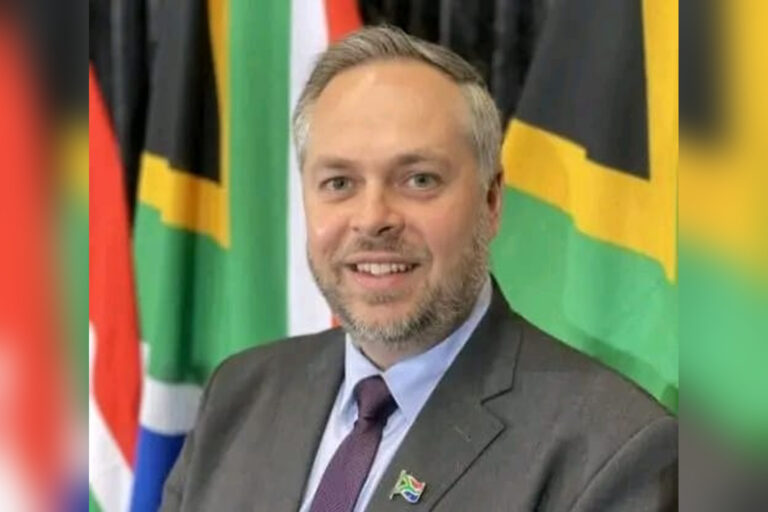
Deputy Minister of Home Affairs Njabulo Nzuza and departmental spokesperson Thulani Mavuso have been actively engaged in overseeing developments at the camp.
In an effort to expedite immigration-related cases, a priority court has been established in Durban. Officials are hopeful that this intervention will help alleviate administrative delays and bolster the overall repatriation program.
A Crisis That Reflects Deeper Challenges
The arrival of twelve babies in the Sherwood encampment serves as a poignant reminder of a crisis that transcends immigration policies and border control.
This situation highlights the human aspects behind South Africa’s ongoing discussions surrounding migration, documentation, and community conflicts. While transport continues to facilitate the return of families to Malawi, numerous questions linger regarding the circumstances that drove thousands to seek refuge in the first place.
For the time being, life persists in the camp. The sounds of newborns can be heard amid the temporary structures, providing moments of hope despite the prevailing uncertainty, as authorities strive to resolve one of the most complicated migrant crises in KwaZulu-Natal.