
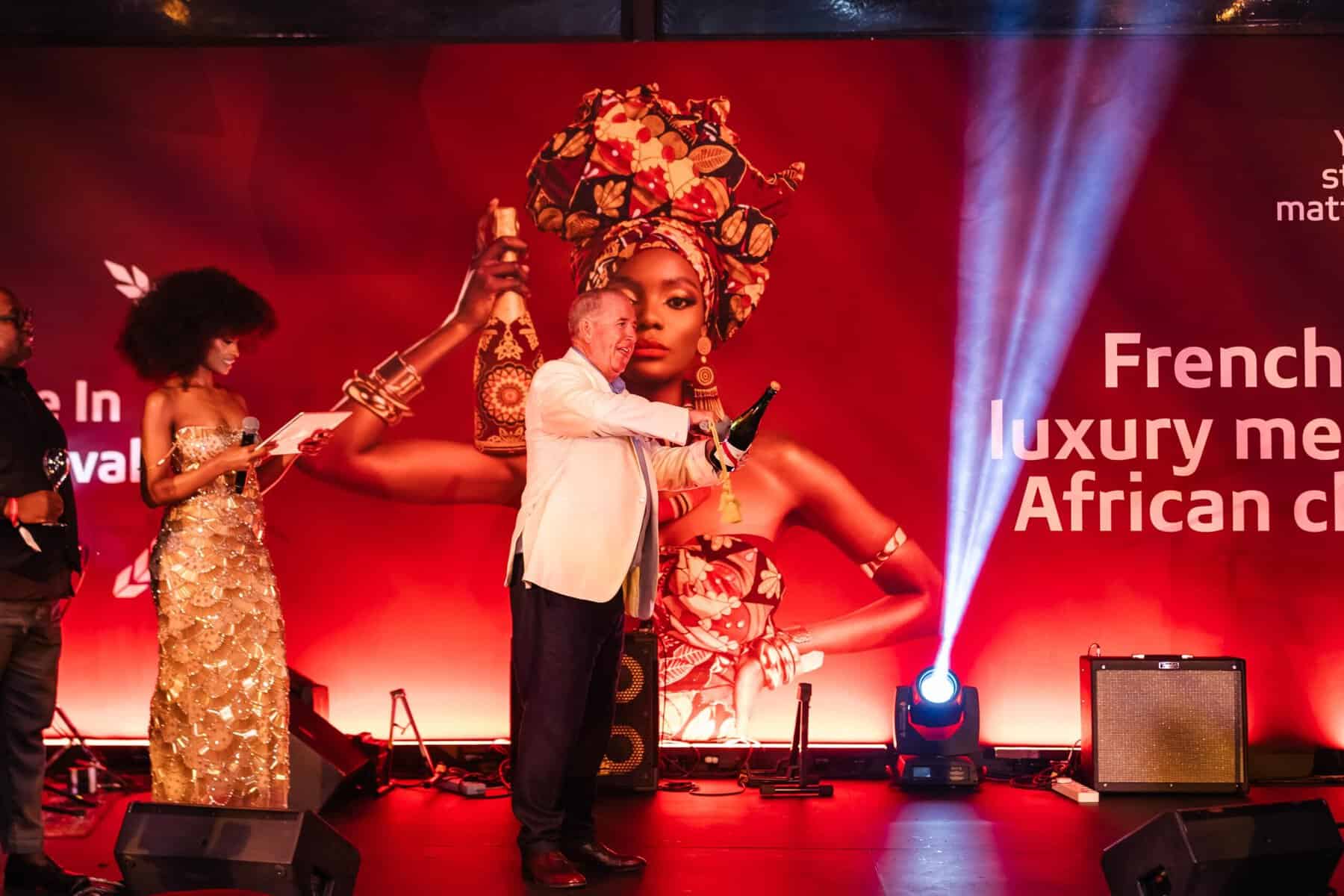
French opulence met African flair at a Johannesburg event celebrating champagne, style, and culture.
Some nights, the ambiance, attire, and company can be just as unforgettable as the beverages in hand. The 24th Absa Champagne in Africa Festival provided just that. It infused a touch of French elegance and a wealth of African spirit into Summer Place in Hyde Park, Johannesburg.
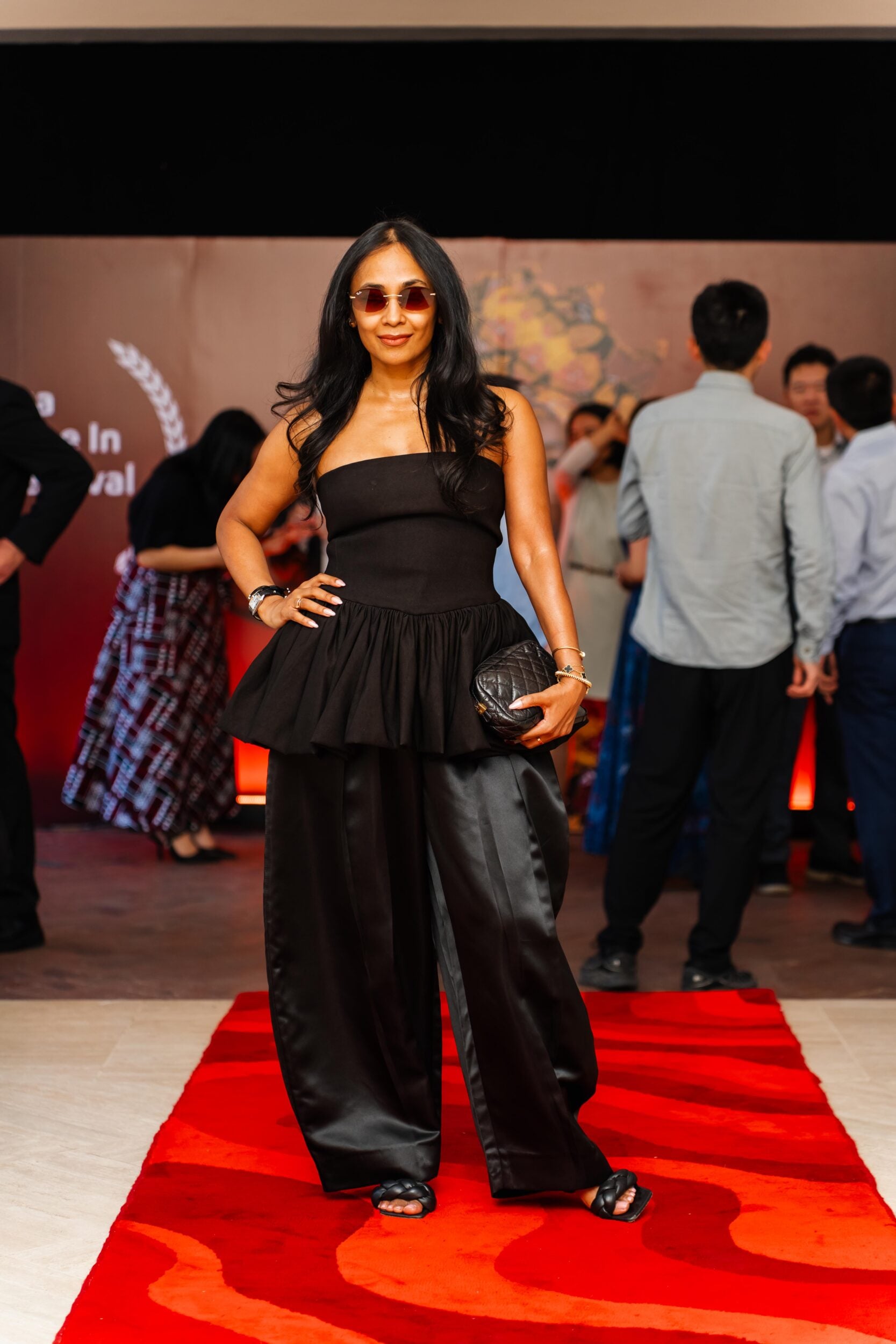
Taking place on Friday, November 13, the yearly gathering drew together champagne lovers, business figures, and guests elegantly attired for the occasion. It was undeniably a tribute to the more exquisite aspects of life.
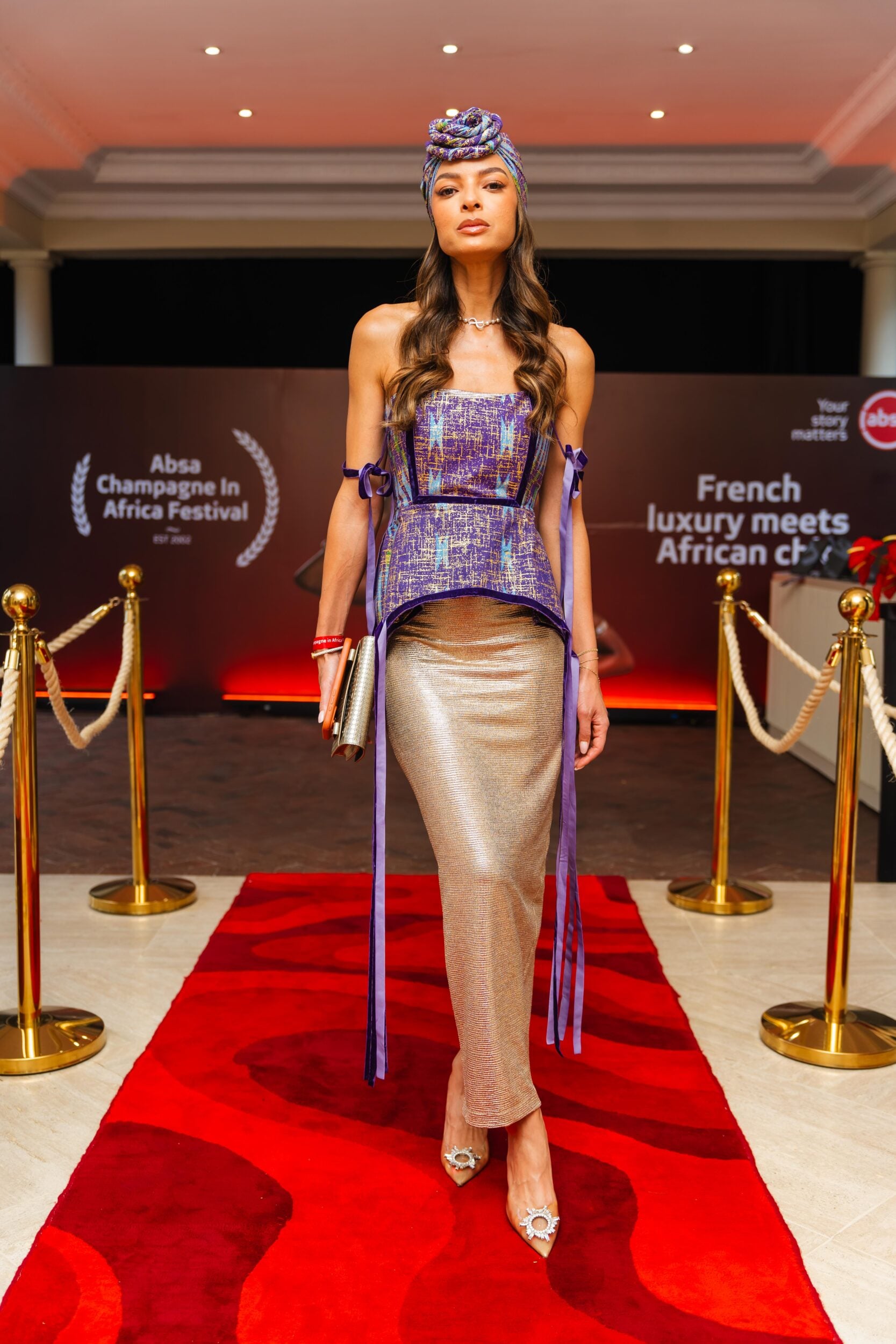
This year’s motif, ‘When French Luxury Meets Pan-African Chic’, encouraged a unique interpretation of luxury through an African perspective. This fusion created a captivating intersection of two cultures.
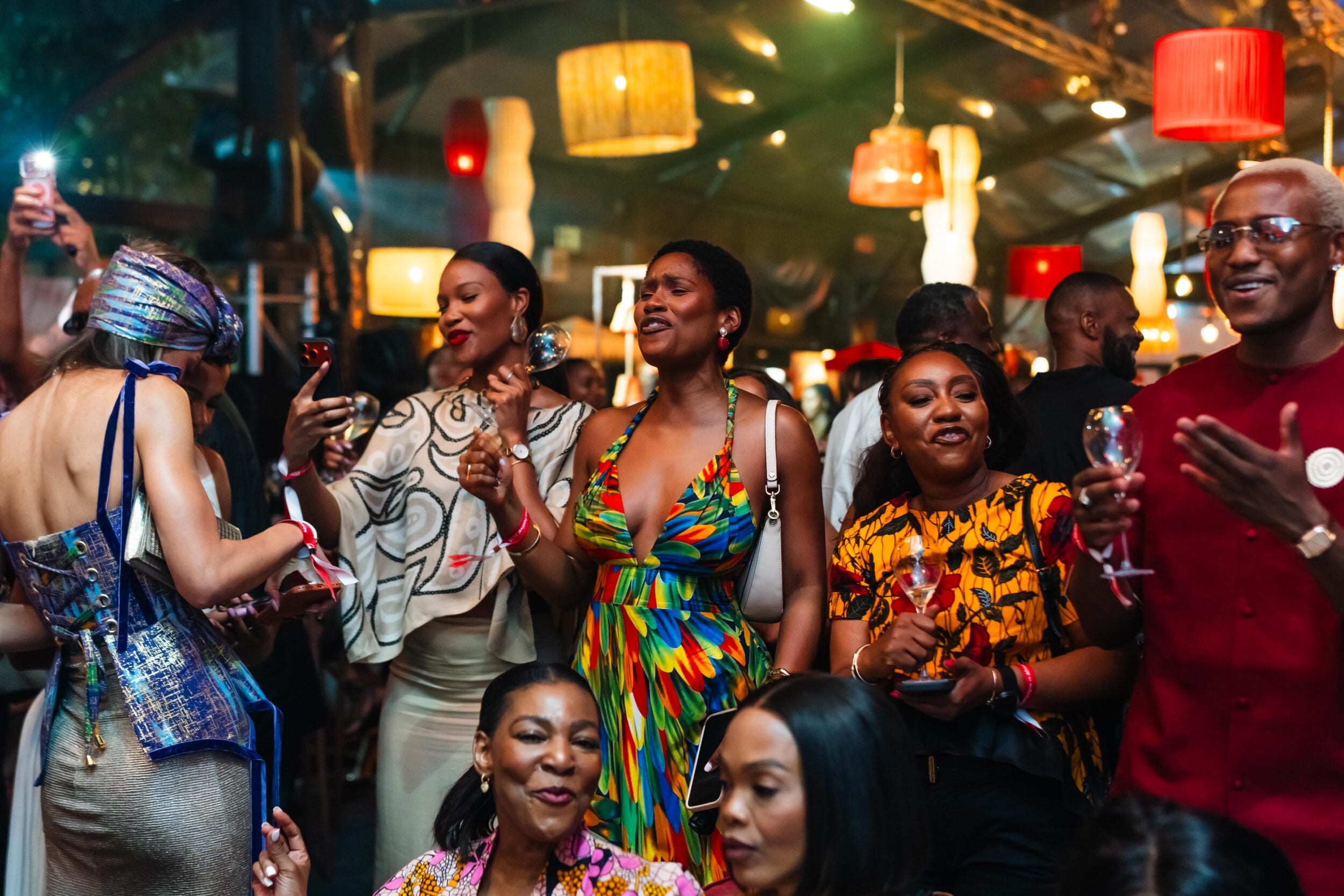
Instead of merely hosting another champagne sampling event, the festival combined French heritage with African artistry, fashion, cuisine, and entertainment. In truth, the evening felt as much a celebration of culture as it did of acclaimed French champagne.
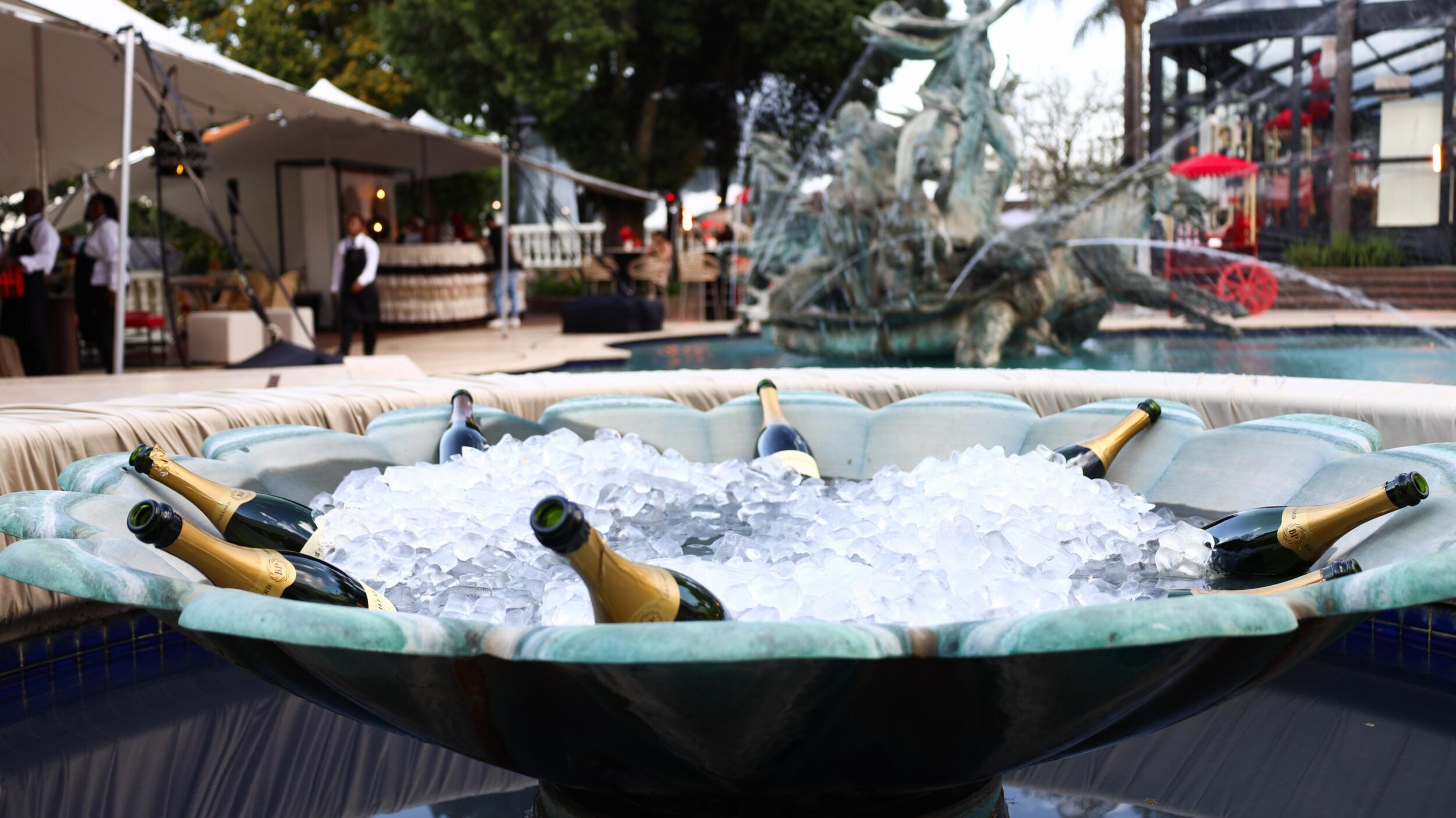
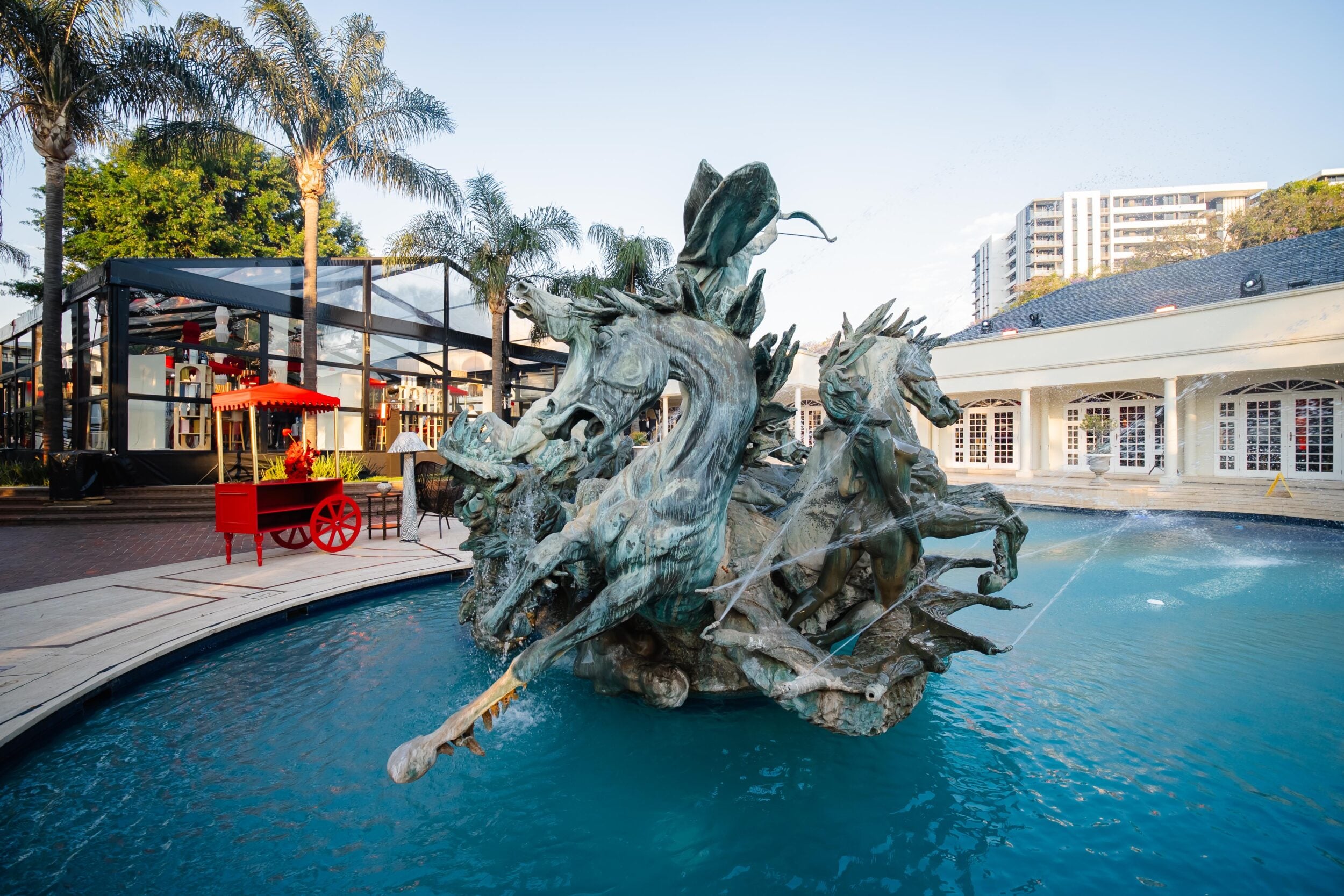
The selected location was perfectly suited for the affair. Summer Place, renowned for its beautifully landscaped gardens, stunning architecture, and serene, park-like environment, provided a refreshing reprieve from the typical Johannesburg hustle. There is a certain charm in arriving at an impeccably adorned venue and being ushered into an evening filled with exploration. Additionally, being slightly removed from the city creates a fitting ambiance for a remarkable event.
The environment allowed for a seamless blend of indoor sophistication and outdoor allure. Importantly, the ambience encouraged mingling, dialogue, and, naturally, an opportunity to discover the various champagne selections on offer.
Beyond just a Champagne tasting
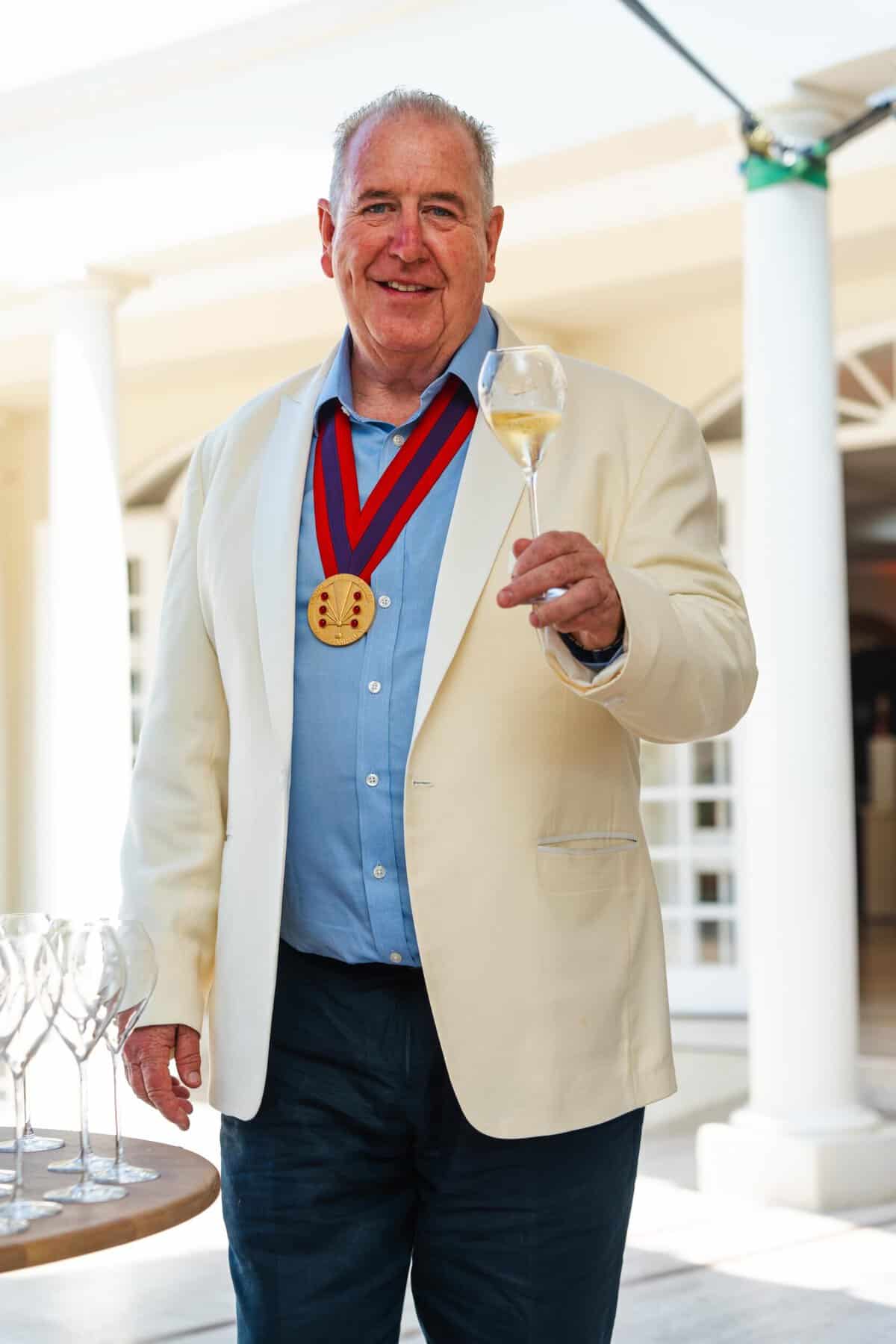
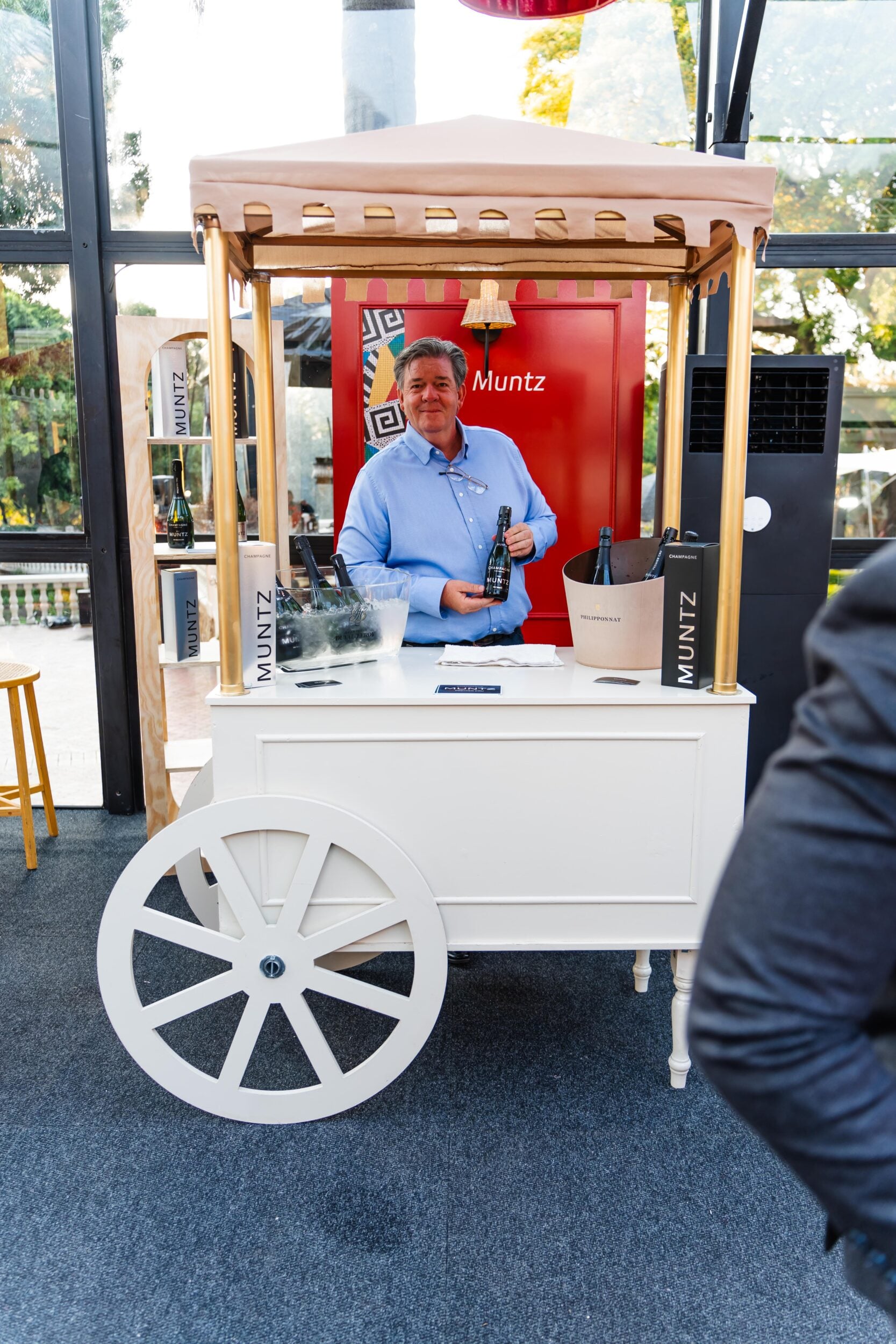
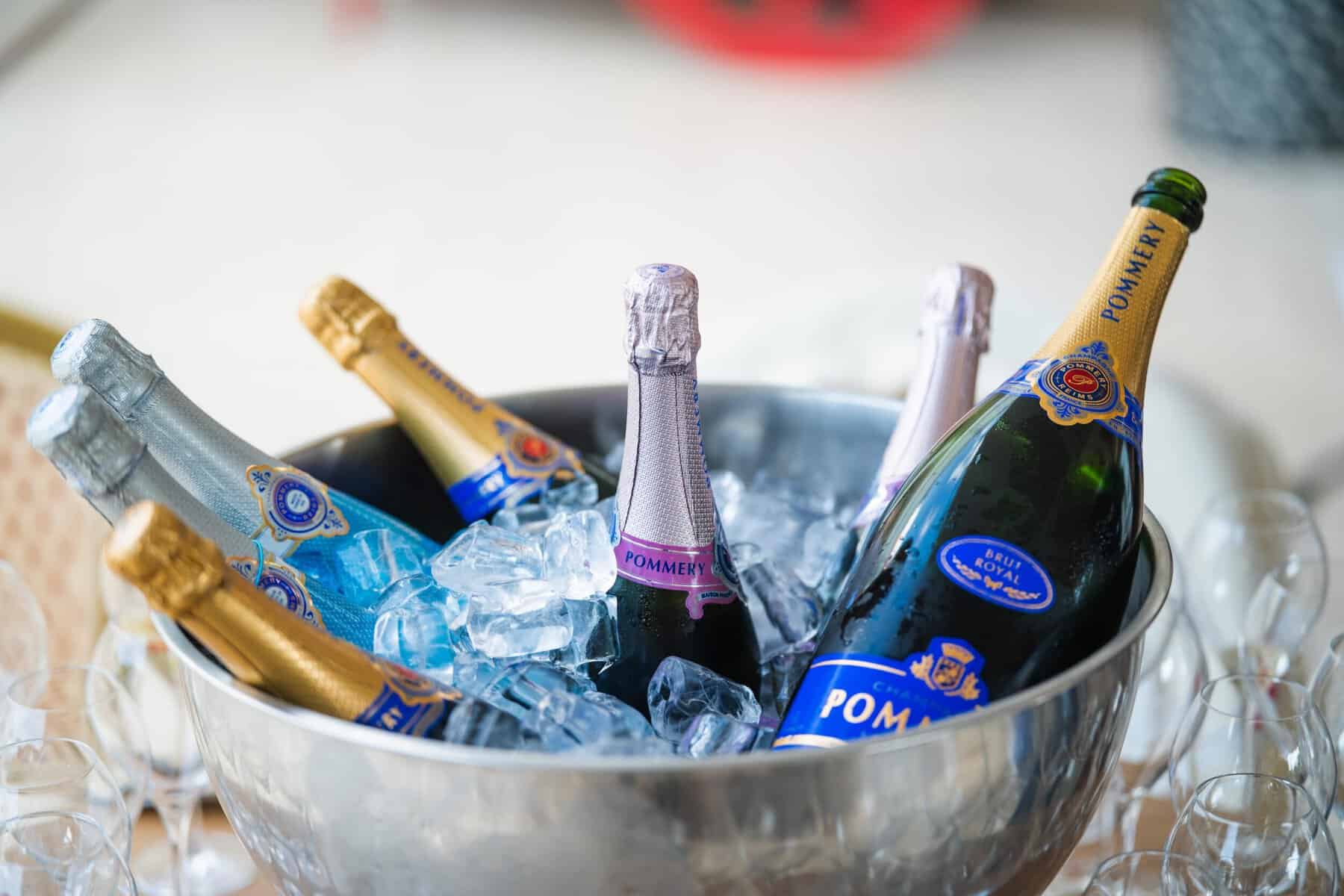
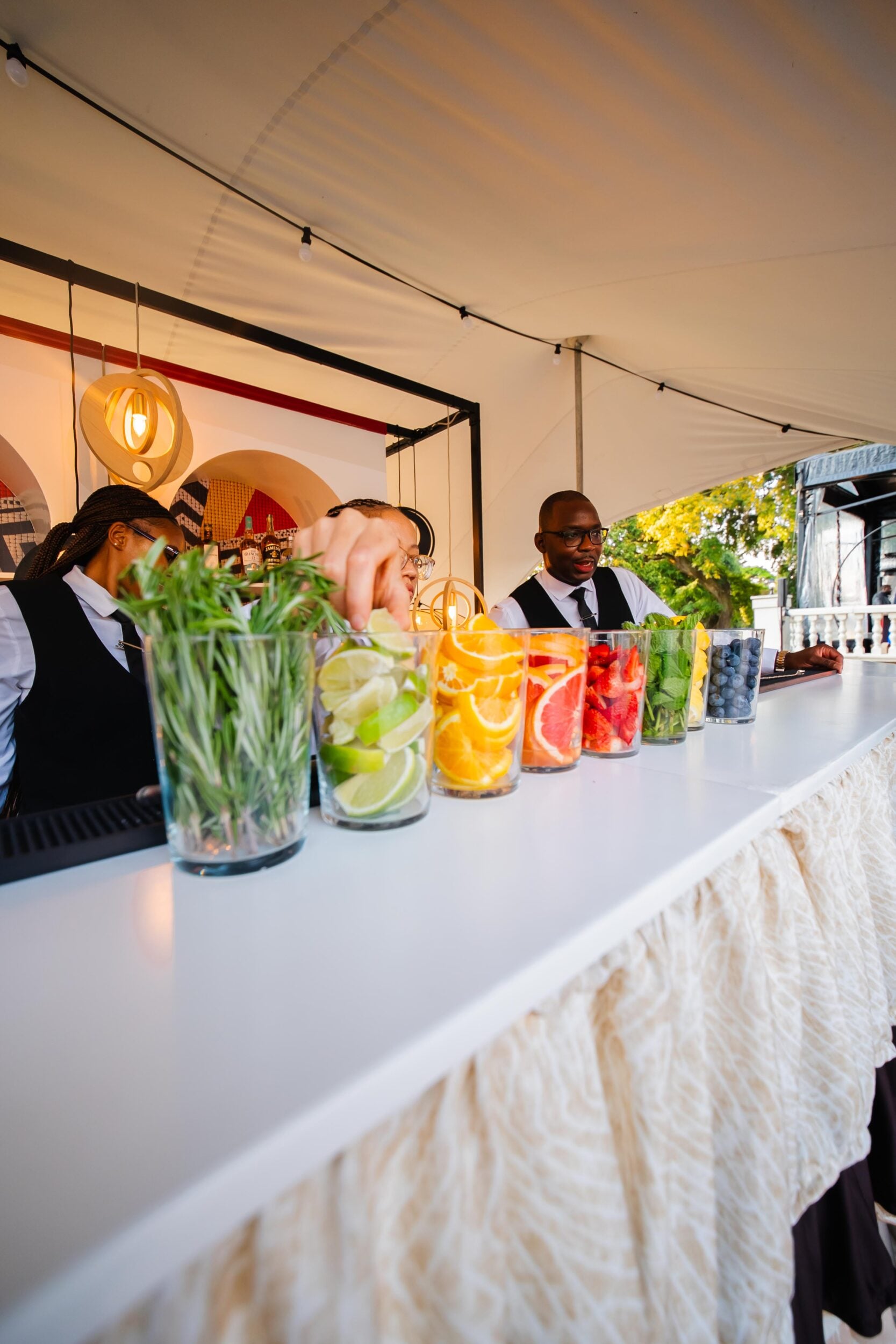
With 35 champagne houses featured, attendees had a vast array of options to explore. These encompassed renowned international brands as well as smaller independent producers. Thus, the festival provided an excellent chance to encounter diverse champagne styles and interact with the industry figures behind the brands.
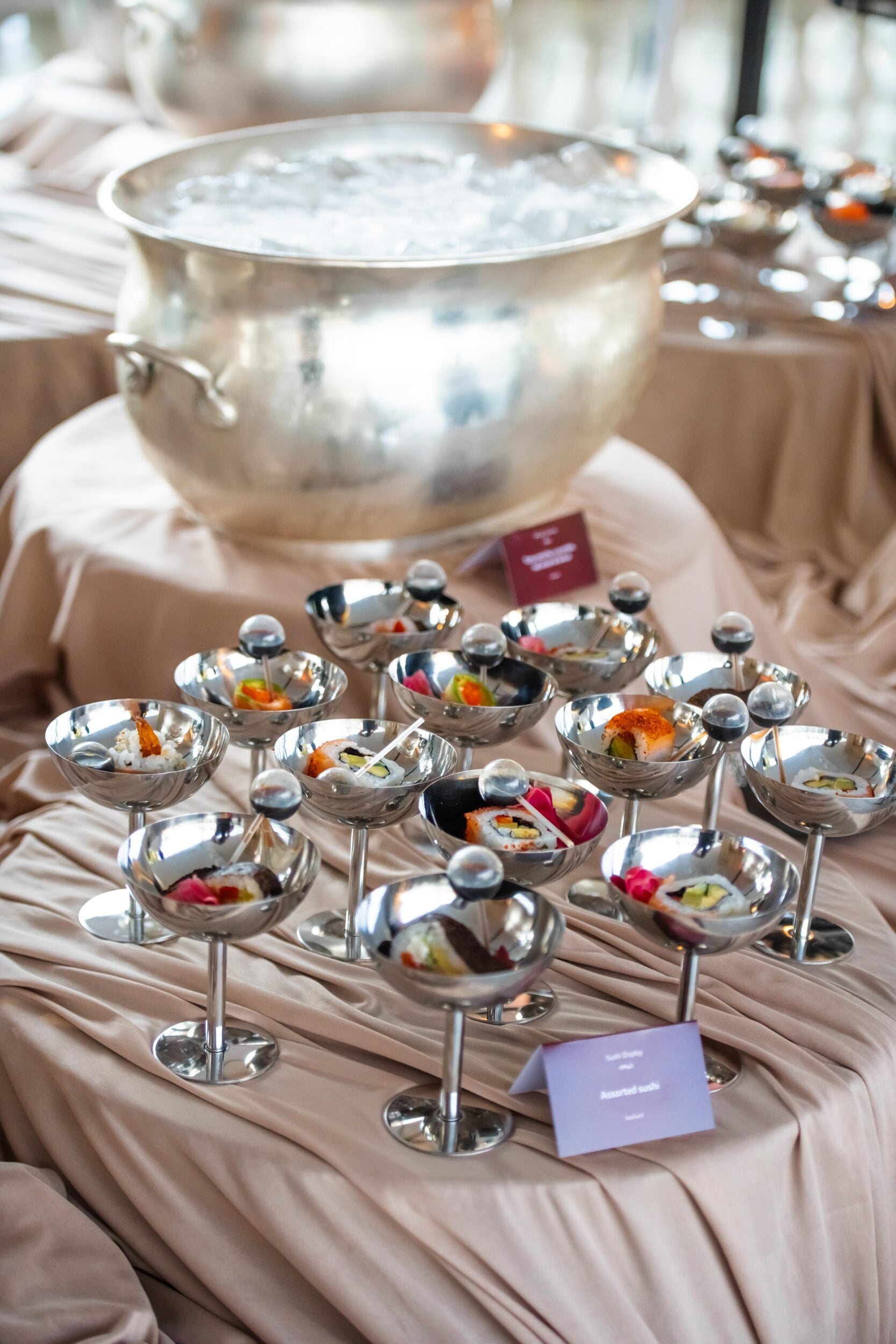
The culinary offerings enhanced the experience further. Sushi, traditional braai dishes, and a live pasta preparation station complemented the beverages on hand.
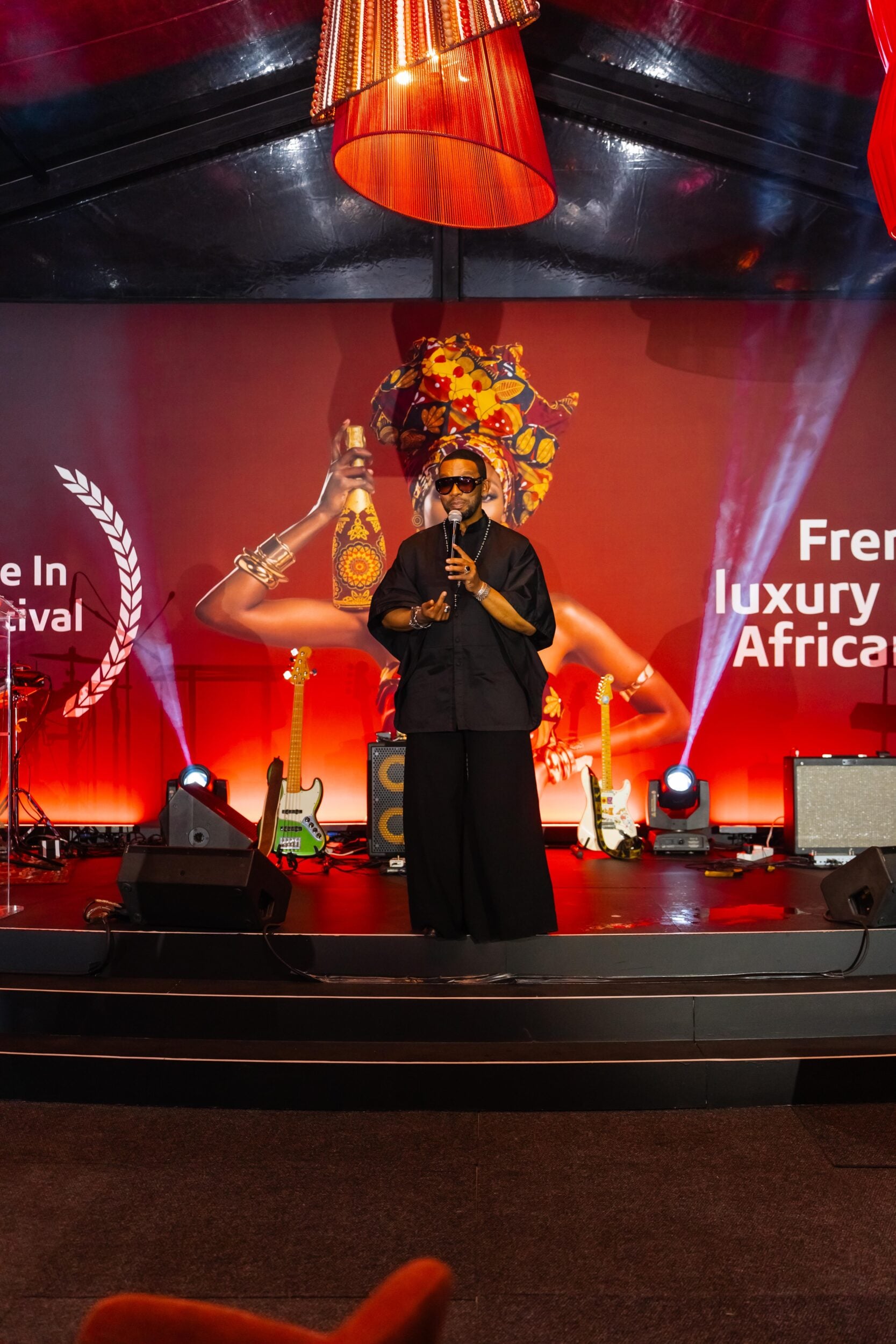
Fashion also took center stage, with the esteemed South African designer David Tlale showcasing a curated display.
The musical aspect rounded out the evening, with South African R&B artist Elaine being one of the highlights of the entertainment lineup.
This blend of cuisine, style, music, and artistry made the night transcend a mere gathering of champagne brands.
Why champagne and not MCC?
For those curious about the absence of South African Méthode Cap Classique (MCC) producers at the festival, the explanation lies in geographical specifics and the festival’s identity.
Champagne is not merely another term for sparkling wine. It is a protected geographical indication reserved for sparkling wine crafted in the Champagne region of France, complying with stringent production standards.
In contrast, MCC represents South Africa’s own premium bottle-fermented sparkling wine category. It employs traditional methods, including the secondary fermentation in the bottle, similar to champagne.
Thus, the distinction isn’t solely about quality but rather about origin and cultural identity.
The Absa Champagne in Africa Festival is specifically designed to honor champagne houses and their rich heritage. Its concentration on French producers clarifies the absence of MCC brands from this specific event.
This festival also serves as a vital platform for international champagne houses to safeguard and promote their history. Furthermore, it enables them to present their diverse styles to African consumers and fortify ties with a maturing luxury market.
With 35 houses represented, the festival was an exceptional showcase of this heritage.
Ultimately, the 24th edition served as a reminder that luxury transcends merely the brand on a bottle or the cost of an experience. It encompasses narratives, craftsmanship, culture, and the individuals who weave it all together.
At Summer Place, the elegance of France indeed found a refined African partner.