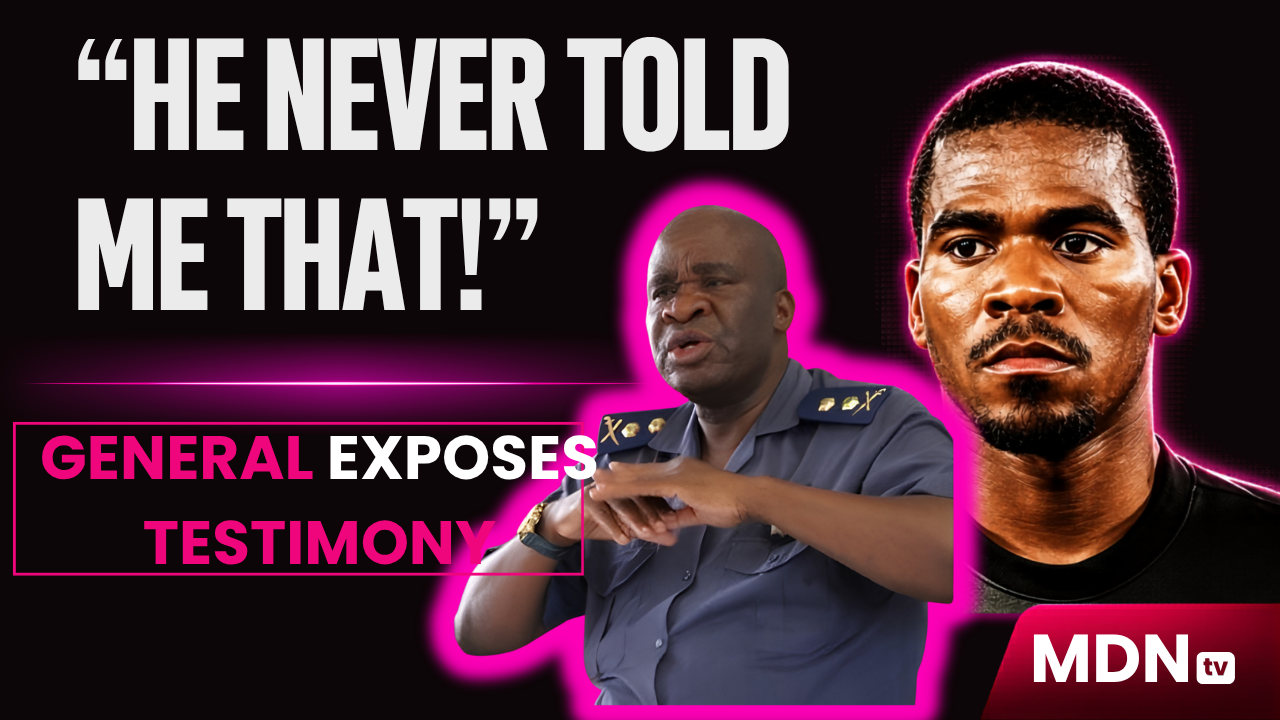
Johannesburg, 20 May 2026 — A senior police General introduced significant inconsistencies in the ongoing Senzo Meyiwa murder trial on Tuesday, stating in court that a pivotal state witness failed to share critical information with him during the investigation.
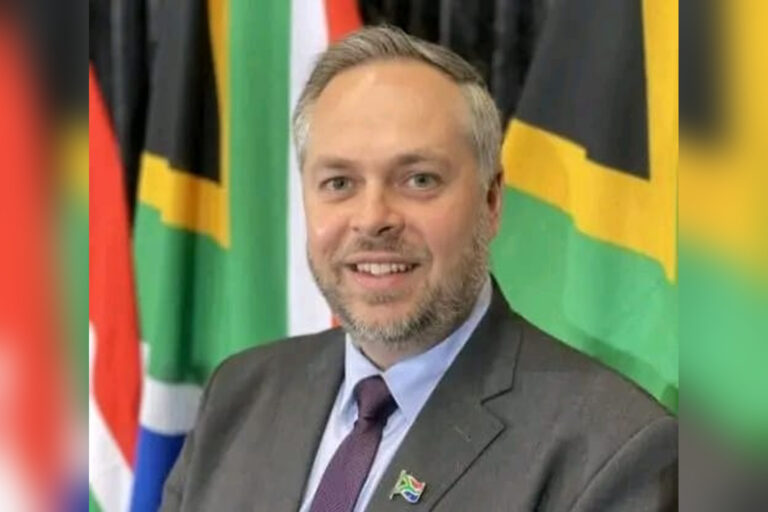
General Leshabane, who testified as a defence witness, challenged many aspects of Constable Zulu’s account regarding the events at Basotho Hostel on 26 October 2014, the date when Senzo Meyiwa was killed.
Key Bombshell Moments
In reviewing Constable Zulu’s assertions individually, General Leshabane replied “No, my Lord. He never told me that” to nearly every significant claim, which included:
- That Zulu was actually present at the Basotho Hostel on that day
- Witnessing the five accused consuming alcohol, eating meat, and engaging in celebration
- Observing the accused handling firearms, including a .38 revolver and a 9mm pistol
- The supposed declaration by one of the accused: “Senzo Meyiwa is no more.”
- Details concerning changes of clothing and the transfer of firearms
The General also indicated that Constable Zulu did not provide contact information for verification purposes and declined to submit a formal statement at that time.
Allegations of Pressure and Warnings
General Leshabane disclosed that he had cautioned prosecutors early in the proceedings that Zulu’s statements were largely based on hearsay. He described high-pressure meetings where he felt uncomfortable and stated that he raised concerns with senior police officials about the witness’s treatment.
This testimony resulted in sharp objections from the State, with defence attorneys insisting that the integrity of the entire investigative process needs thorough examination.
Background
Senzo Meyiwa, a cherished goalkeeper for Orlando Pirates and captain of the Bafana Bafana, was fatally shot during a home invasion in Vosloorus on 26 October 2014. A trial involving five men has been ongoing for more than a decade, marking one of the most notable cases in South African history.
The defence has continually questioned the credibility of key witnesses and the police investigation itself.
These statements are part of the public court proceedings. All five accused assert their innocence and are presumed innocent until proven guilty. The trial is still in progress.