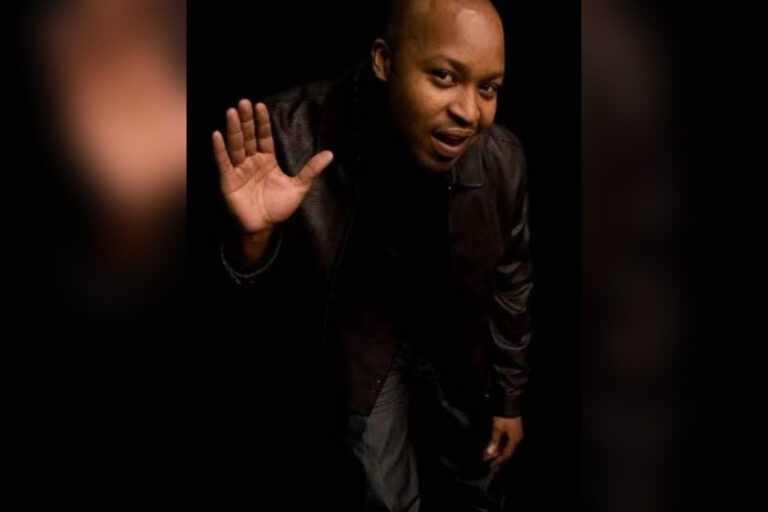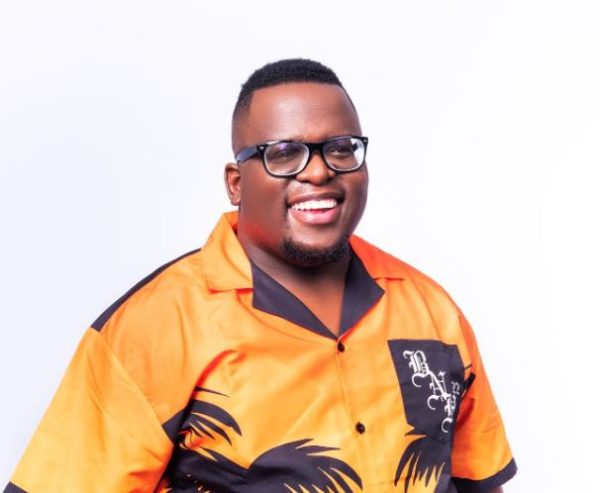

Notable South African media figure Dineo Ranaka has launched a sharp public critique aimed at MacGyver “MacG” Mukwevho and Sol Phenduka, the hosts of the widely followed digital series Podcast and Chill.
This strong rebuke comes in response to recent inappropriate jokes made by the podcasting pair about Elizabeth “Tsontso” Moselakgomo, a runner who sadly went missing amid a horrifying series of serial killings that have targeted women in Ekurhuleni.
The flippant comments regarding ongoing missing-persons cases and the national trauma surrounding femicide sparked widespread outrage across various social media platforms.
Taking to Instagram, Ranaka was unabashedly direct. She tagged both co-hosts and the official podcast network account, openly criticizing them for dehumanizing a child left orphaned and a family in distress.
She accused the duo of using lowbrow “shock humour” to gain digital traction at the cost of real human pain.
“A child was vulnerable and in a state of panic, her mother was missing and you felt yes let’s make this shock humour???????,” Ranaka exclaimed, emphasizing that their content contributes to normalizing the degradation of women and grieving families. Ranaka’s indignation also referenced past controversies associated with the show, highlighting a persistent trend of misogyny.
“So you got tired of mocking our wombs and vaginas huh? Those jokes don’t work anymore huh! Now you’re mocking our corpses and orphaned children???” she further stated, labeling the platform as “absolute bottom of the barrel filth.”
Despite Sol Phenduka later offering a public apology recognizing that the comments were inappropriate and deeply offensive, Ranaka vehemently dismissed the gesture.
She claimed that the apology lacked sincerity and was simply a strategy to mitigate brand damage.
“And NO!!!!! YOUR APOLOGY IS USELESS!!!! Had you received no backlash YOU WOULD NOT have apologised,” Ranaka concluded, echoing an increasing public sentiment that podcasters should be held to a higher standard of accountability rather than depending on reactive apologies when facing backlash.
As the criticism mounts, advocacy groups and media analysts continue to explore where the line is drawn between provocative digital entertainment and fundamental human dignity in South Africa’s expanding podcasting scene.