Eskom has disclosed that approximately 184 households have transitioned to its Homeflex tariff, which is mandatory for those who have registered their small-scale embedded generation (SSEG) systems.
This information was shared during a presentation by Eskom’s distribution division at a recent webinar hosted by EE Business Intelligence that centered on residential tariffs and metering.
The Homeflex tariff was introduced by Eskom in 2024. It operates as a time-of-use tariff, featuring fluctuating energy charges based on the time of day and the season.
The adoption of this type of tariff is increasing among Eskom and the wider South African electricity sector, prompted by the growth of distributed generation within the grid.
Unlike some municipal authorities that allow SSEG users to keep the time-of-use (ToU) tariff optional, Eskom requires it for all SSEG registrations.
This tariff is particularly advantageous for households that can adjust their energy usage to off-peak periods, capitalizing on lower variable energy charges, while primarily utilizing their own generation during more expensive peak periods.
Since Eskom initiated the transition of its first Homepower customer to Homeflex in June 2024, only 184 households have made this shift.
This is in stark contrast to the approximately 59,000 homes enrolled under the Homepower 4 tariff, which is Eskom’s most widely used option for residences with a single-phase connection.
In previous statements, Eskom reported it had registered 1,485 SSEG systems by November 2025, though this figure included business users as well.
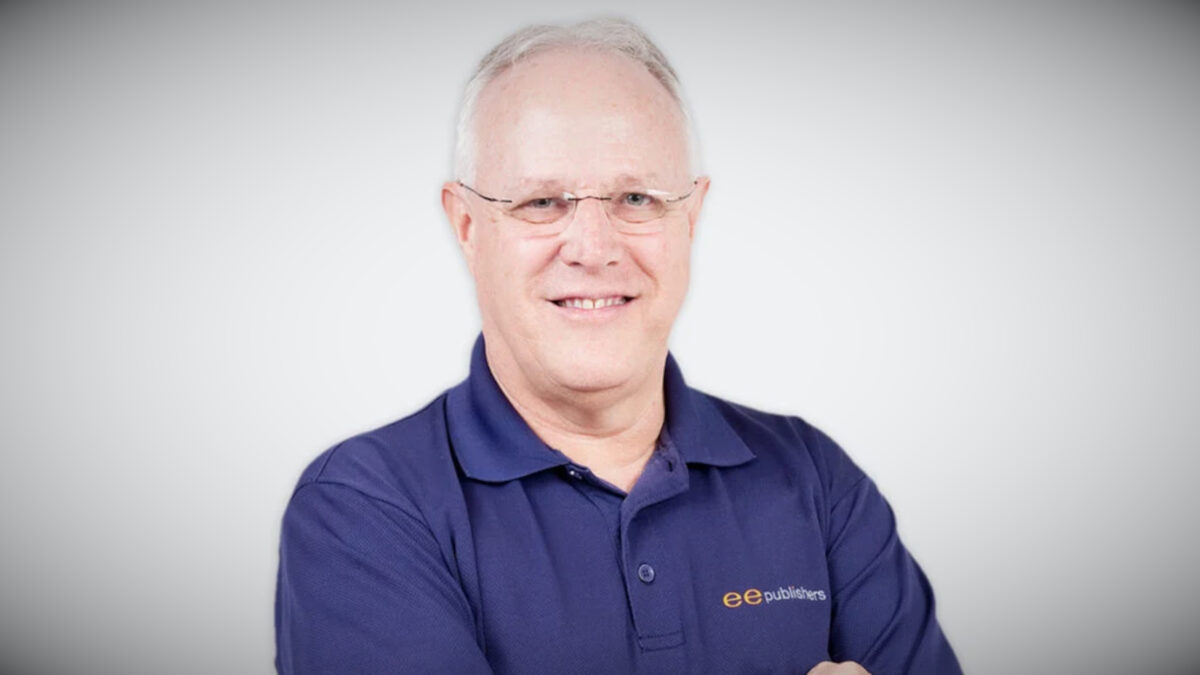
Chris Yelland, managing director of EE Business Intelligence, indicated that this number suggests that merely 184 Eskom residential customers have successfully registered their SSEG setups with the utility.
“This would indicate the extent of the failure of Eskom’s ‘carrot and stick’ approach to registration of residential SSEG (solar PV/BESS) installations,” Yelland stated.
He pointed out that this statistic may explain the indefinite postponement of the deadline for waiving registration fees by Eskom.
In addition, he suggested it could have influenced Eskom’s choice to eliminate the costly requirement for professional engineers registered with the Engineering Council of South Africa (ECSA) to sign off on SSEG systems.
The utility also retracted previous warnings of fines and disconnections for those households failing to register.
This decision followed criticism from the Organisation Undoing Tax Abuse (OUTA), which argued that Eskom can only impose penalties or disconnect a property under safety concerns or non-payment of bills.
OUTA maintains solar registration is not necessary

Industry analysts estimate that between 40,000 and 80,000 residential rooftop solar systems remain unregistered throughout South Africa, affecting both Eskom Direct and municipal distribution networks.
As an energy advisor for OUTA, Yelland argues that a valid electrical certificate of compliance (CoC) from an electrician authorized by the Department of Labour suffices for safety assurance.
“Safety is not assured by registering a system with Eskom and being forced to change to the Homeflex tariff,” he conveyed to MyBroadband in recent feedback.
“It is assured by a valid and lawfully issued CoC confirming compliance with the mandatory national technical and safety standard SANS10142-1 and the standards referenced therein.”
Yelland also stated that Eskom and the National Transmission Company of South Africa do not need to depend on an incomplete registration database to maintain system stability.
“Eskom already knows how much rooftop solar and battery energy storage system capacity is installed in South Africa,” Yelland noted.
“These figures are published every week in its weekly system status reports, which are made available on the Eskom NTCSA website and presented weekly to NERSA.”
According to its most recent system status report, Eskom estimated that “behind-the-meter” rooftop solar capacity hit 9,430MWp by September 2026.
This figure is only 170MW below the combined peak capacity of Eskom’s two largest coal-fired power stations, Medupi and Kusile.
Don’t miss the latest news