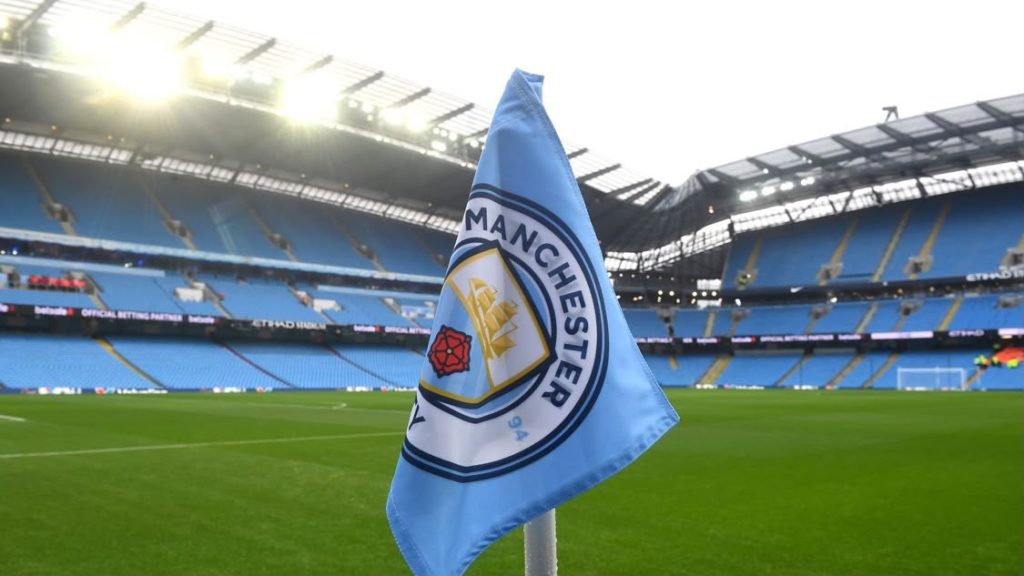
Manchester City is likely to argue that approximately £830m in questioned sponsorship payments originated from the Abu Dhabi Government instead of its ownership entity, Abu Dhabi United Group (ADUG), as the club contests the independent commission’s ruling.
The club’s defense is expected to center on sponsorship deals with state-backed organizations including Etihad Airways and Etisalat, asserting that these payments should not be viewed as originating from the owner of the club.
Nonetheless, the appeal may encounter challenges due to past declarations from Etihad, which has openly stated that the Abu Dhabi Government did not finance its sponsorship deal with Manchester City.
City might reference a 2010 internal report prepared for the Crown Prince of Abu Dhabi, which allegedly indicated that the Abu Dhabi Government did fund Manchester City’s sponsorship. This report was intended for internal use but has since been recognized in the ongoing debate regarding the sponsorship’s financial backing.
This matter was previously addressed in Manchester City’s earlier case with UEFA. During that time, City contended that none of the sponsorship funds from Etihad or any other associate came from outside the companies directly involved in the transactions.
Sheikh Mansour provided a letter stating:
I have not authorised ADUG to make any payments to Etihad, Etisalat or any of their affiliates in relation to their sponsorship of MCFC.
Additionally, in 2015, the Partnership for Open and Fair Skies raised concerns with US government agencies, arguing that Etihad had an unfair advantage due to considerable financial backing from the Abu Dhabi Government.
This organization referenced the internal report that appeared to support the assertion of government funding for Etihad’s sponsorship of Manchester City.
However, Etihad firmly denied these allegations.
The assertion that the Abu Dhabi Government paid for Etihad’s sponsorship of English Premier League football club Manchester City is equally false
The airline affirmed.
Etihad maintained that it established a 10-year sponsorship contract with Manchester City in 2011, including naming rights for the club’s stadium, emphasizing that it had financed the sponsorship with its own resources.
This earlier denial could become pivotal in Manchester City’s appeal.
Per the findings of the independent commission, the club claimed that “AD Sponsors had from time to time applied for financial assistance from the AD Government towards their liability to pay the Recorded Sponsorship Fees.”
As the verdict features redacted names and refers to several sponsors, City may argue that the evidence regarding Etihad does not uniformly pertain to every contested sponsorship deal.
However, multiple legal experts have indicated that Etihad’s public denial may not bolster City’s case, particularly as the airline explicitly dismissed the notion of government support for its sponsorship.
The independent panel had already assessed the validity of claims concerning the origin of the disputed sponsorship payments prior to finalizing its decision.
The panel concluded that the idea that the mentioned amounts came from the Abu Dhabi Government instead of ADUG had been “concocted well after the event.”
Manchester City has rejected the findings of the independent commission and has officially submitted their appeal, arguing that the verdict is flawed in terms of law, principle, and fact.
As the appeal process advances, the issue of sponsorship funding is anticipated to be a major focus, with City seeking to contest the commission’s conclusions regarding the origins and classification of the disputed payments.