
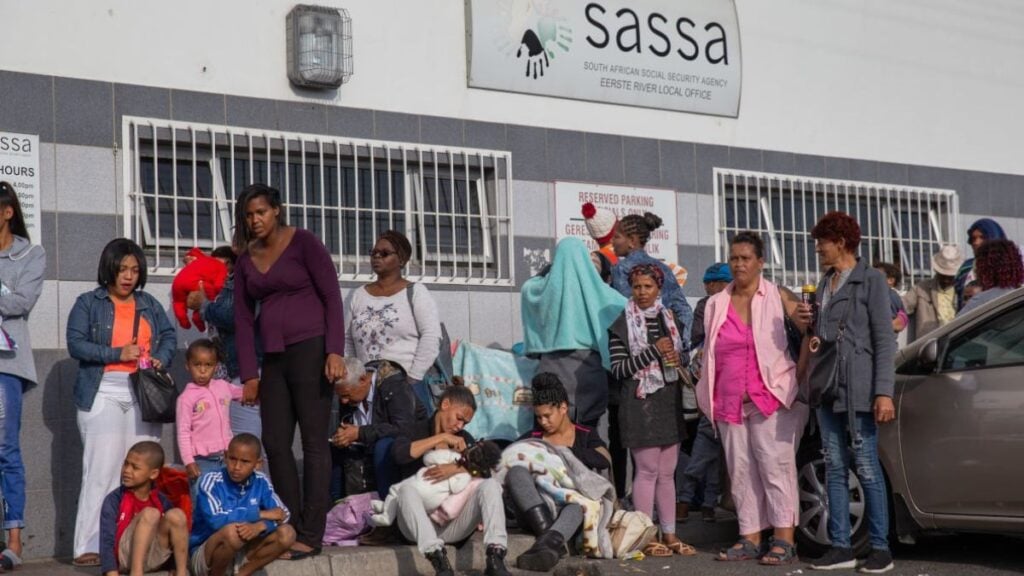

The South African government has announced a savings target of R38.1 billion over the medium term as part of its effort to enhance spending efficiency and focus funds on impactful programmes.
These savings mark a move from traditional, input-based budgeting toward a model that emphasizes strategic decisions influenced by results, affordability, and value.
Finance Minister Enoch Godongwana stated that the government plans to discontinue programmes that no longer serve their purpose.
“We are also restructuring underperforming and inefficient programmes, and reducing administrative inefficiencies and fraud in programmes,” the Minister remarked on Wednesday during the Medium-Term Budget Policy Statement (MTBPS) presented in Parliament.
Along with the R12 billion outlined in the 2026 Budget, an additional R38.1 billion has been earmarked for the 2027 Medium-Term Expenditure Framework (MTEF) period:
- R11.7 billion from low-priority initiatives and efforts to cut redundancies and enhance efficiency in national departments;
- R13 billion aimed at combating fraud within social grants;
- R7.8 billion associated with the human settlements development grant, where inefficiencies have constrained housing construction spending; and
- R5.5 billion resulting from surpluses in public entities.
Godongwana highlighted that further efficiencies can be extracted from provincial budgets.
For instance, by adopting more effective pay structures for healthcare professionals, provinces could hire additional staff.
The National Treasury’s MTBPS document stressed the importance of improving spending quality through the allocation of resources to programmes that are effective and efficient, marking a significant reform in budgeting.
“Targeted and responsible savings are identified by assessing programmes on a common basis and asking key questions. Are programmes legally required? Are they aligned with policy priorities?
“Do they efficiently deliver measurable outputs and outcomes? Is there persistent underspending or poor performance? Could the same objective be achieved at lower cost or through a better institutional arrangement?”
“The government will continue to reduce leakage and fraud by improving administration and verification, redesigning programmes that fail to meet their objectives, redirecting funds from low priority, inefficient or duplicated activities and addressing accumulated cash surpluses in public entities,” the National Treasury elaborated.
The identified savings have been prioritised and redirected throughout the fiscal framework.