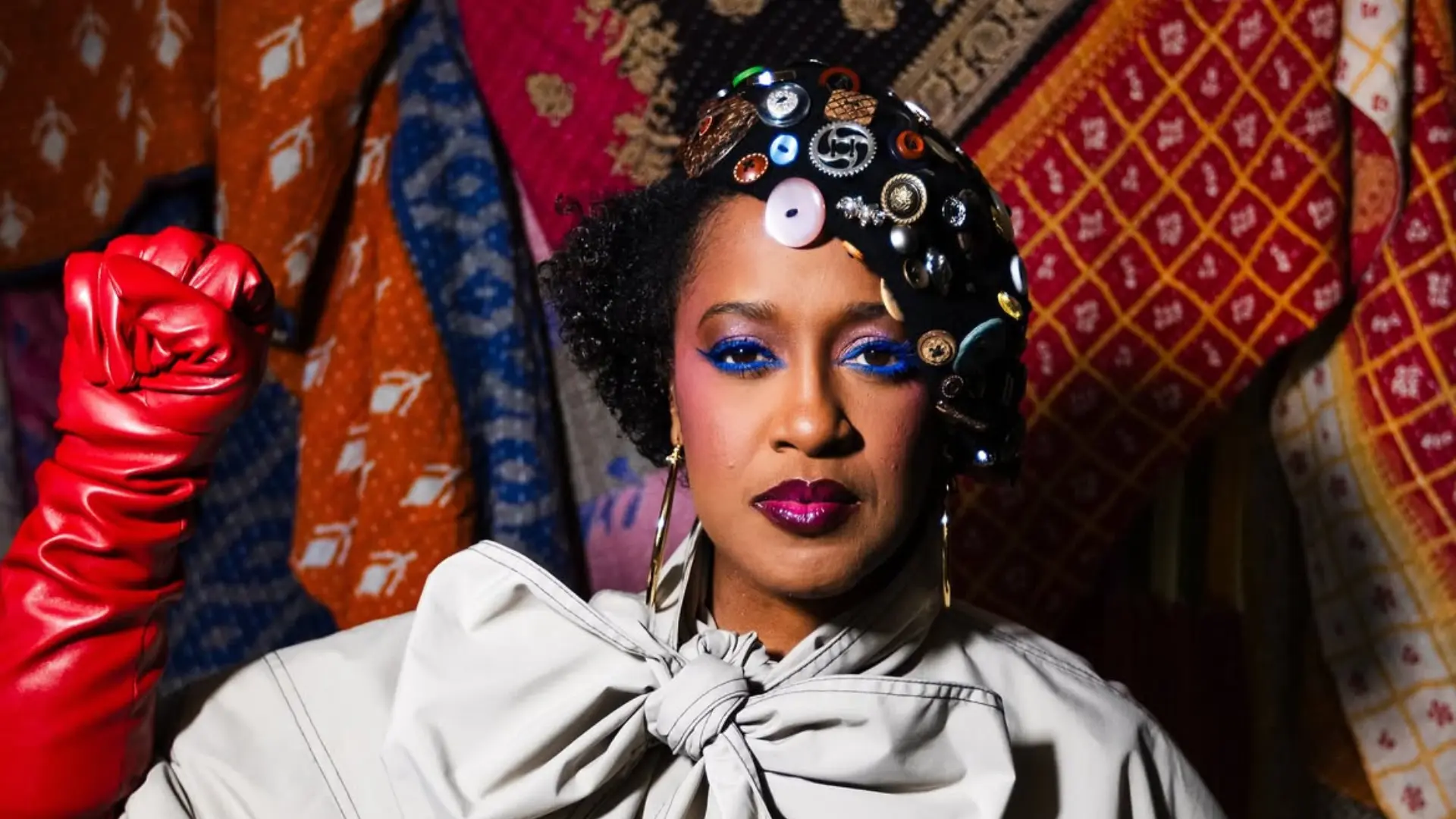
Then came Laila’s Wisdom in 2017, marking her Roc Nation debut and propelling her further into public discourse. The album featured collaborations with artists such as Kendrick Lamar, Anderson .Paak, Busta Rhymes, and Black Thought, earning two nominations for the Grammy Awards, including Best Rap Album.
In 2019, she took an even bolder step with Eve — a powerful homage to significant Black women, where each track celebrated a different icon. It transcended being merely an album; it offered a narrative enriched with history conveyed through lyrics, soulful tones, and Rapsody’s distinctive viewpoint. Fast forward five years, and Please Don’t Cry emerged in 2024, delving into themes of identity, love, sexuality, self-preservation, and the experience of a woman navigating hip-hop on her own terms. The album included contributions from Erykah Badu, Lil Wayne, Phylicia Rashad, Alex Isley, and Baby Tate, among others. Notably, she also released impressive mixtapes and EPs during this period.
And then there is South Africa, Ah bafana baka la tseba gore ke squeeza Mzansi everywhere, haha. The bond runs deep. Rapsody’s tie to the country traces back to The Idea of Beautiful, where the track Kind of Love featured South African artist Nomsa Mazwai and included a reference to Soweto. She even traveled to South Africa to film the music video. Her connection to the country also extended into Kendrick Lamar’s To Pimp a Butterfly, where she delivered a standout verse on Complexion (A Zulu Love).
But the story has come full circle. Rapsody returned to South Africa in 2025, spending time in Johannesburg and Soweto, reconnecting with Nomsa Mazwai and crafting new music. Much of her anticipated album was recorded in Johannesburg, making South Africa not just a point of inspiration but a central element of her creative process.
Now, God Gotta Afro & Gold Hoops is set to be released this Friday, August 21. The album represents a culmination of Rapsody’s artistic journey, addressing themes such as Black identity, heritage, healing, community, femininity, and the connection between Africa and its diaspora. While she has never sought the spotlight aggressively, Rapsody has managed to stay relevant and significant in the hip-hop landscape, backed by Grammy nominations, high-profile collaborations, and a growing body of work that continues to resonate.
However, this album feels particularly unique. This time, South Africa is not merely an audience for Rapsody — we are woven into the narrative. When God Gotta Afro & Gold Hoops drops this Friday, the call is not just to listen because Rapsody is a celebrated artist; it’s also an invitation to engage with a fresh chapter that audiences in hip-hop should not overlook. Ntshepe!