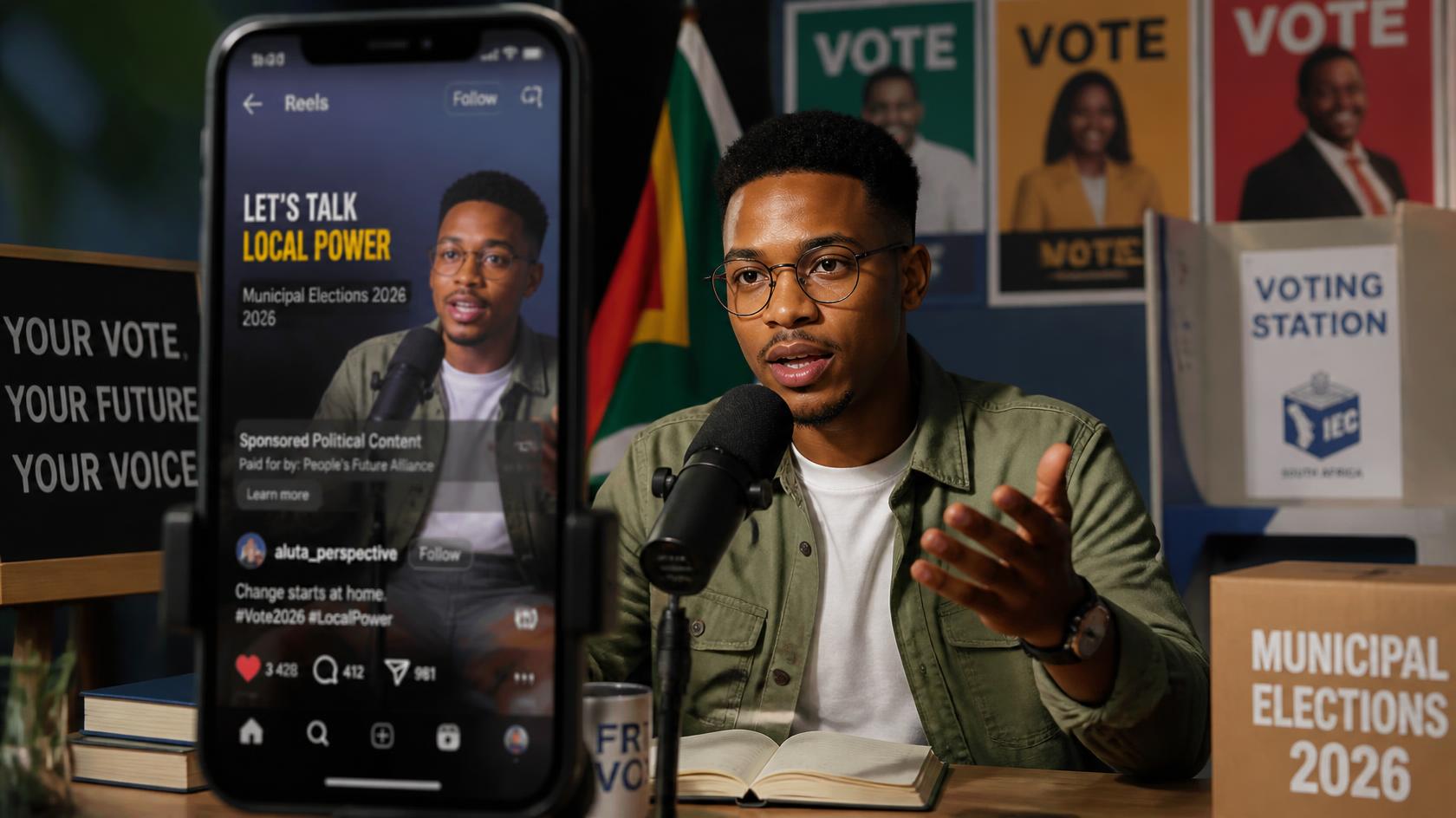
PRETORIA – Influencers and digital content creators in South Africa are being called upon to clearly indicate when political content they share is sponsored or has the backing of political parties and figures. This growing concern ties into the upcoming 2026 Local Government Elections and the influence social media is expected to have on the electoral process.
This request arose during the National Influencer Code Summit, which took place in Pretoria on Thursday, 13 August 2026.
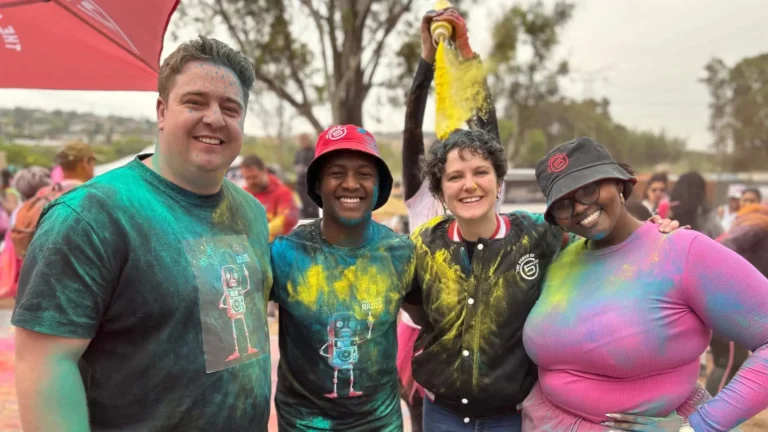
The event convened a diverse group of digital creators, youth, representatives from political and democratic institutions, civil society members, academics, and media professionals to address the escalating sway that online personalities hold over voters.
Organizers emphasized that influencers should maintain their freedom in expressing their political beliefs without restrictions.
The ethical framework proposed focuses on maintaining transparency and accuracy in communications.
Viwe Mtshontshi, representing former Deputy President Phumzile Mlambo-Ngcuka, stressed the importance of enabling citizens to recognize content that has been sponsored, commissioned, or endorsed by political entities.
Paid post or personal opinion?
With the rise of social media as a primary source of political information for many voters, especially younger South Africans, this issue carries increasing weight.
Influencers can engage audiences that traditional media, political parties, and governmental entities often find challenging to reach directly.
However, this influence also poses risks, as political messages that are paid for may be mistakenly perceived as independent viewpoints.
Consequently, the summit is looking into issues such as misinformation, electoral integrity, online safety, public trust, and responsible influence in the lead-up to the municipal elections.
Accuracy also under scrutiny
The suggested standards go beyond merely disclosing sponsorship.
Creators are encouraged to authenticate election-related information and make clear distinctions between facts, opinions, and speculations before sharing content with their audiences.
This step is expected to become increasingly important as political parties ramp up their digital campaigns and enlist influencers to reach specific demographic segments.
Why this matters
Political promotion within the creator economy can often be less overt than traditional campaign advertising.
For instance, television advertisements are typically recognizable as commercial content.
Conversely, a political message conveyed by a familiar influencer in a standard video or social media post may go unnoticed.
This transparency issue poses a fundamental question for voters:
Who paid for the political message appearing in your social-media feed?
The National Influencer Code Summit is advocating for disclosure to become an essential part of ethical digital engagement in the electoral process.
Additionally, this initiative places pressure on media organizations and creators to distinctly separate journalism from personal political commentary and sponsored content.
MDNtv will monitor whether the proposed influencer guidelines evolve into an official code and if political parties, platforms, or electoral authorities implement enforceable disclosure standards.