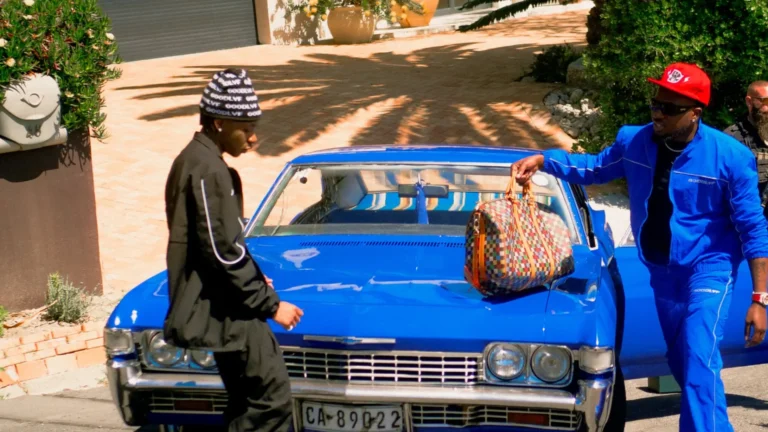
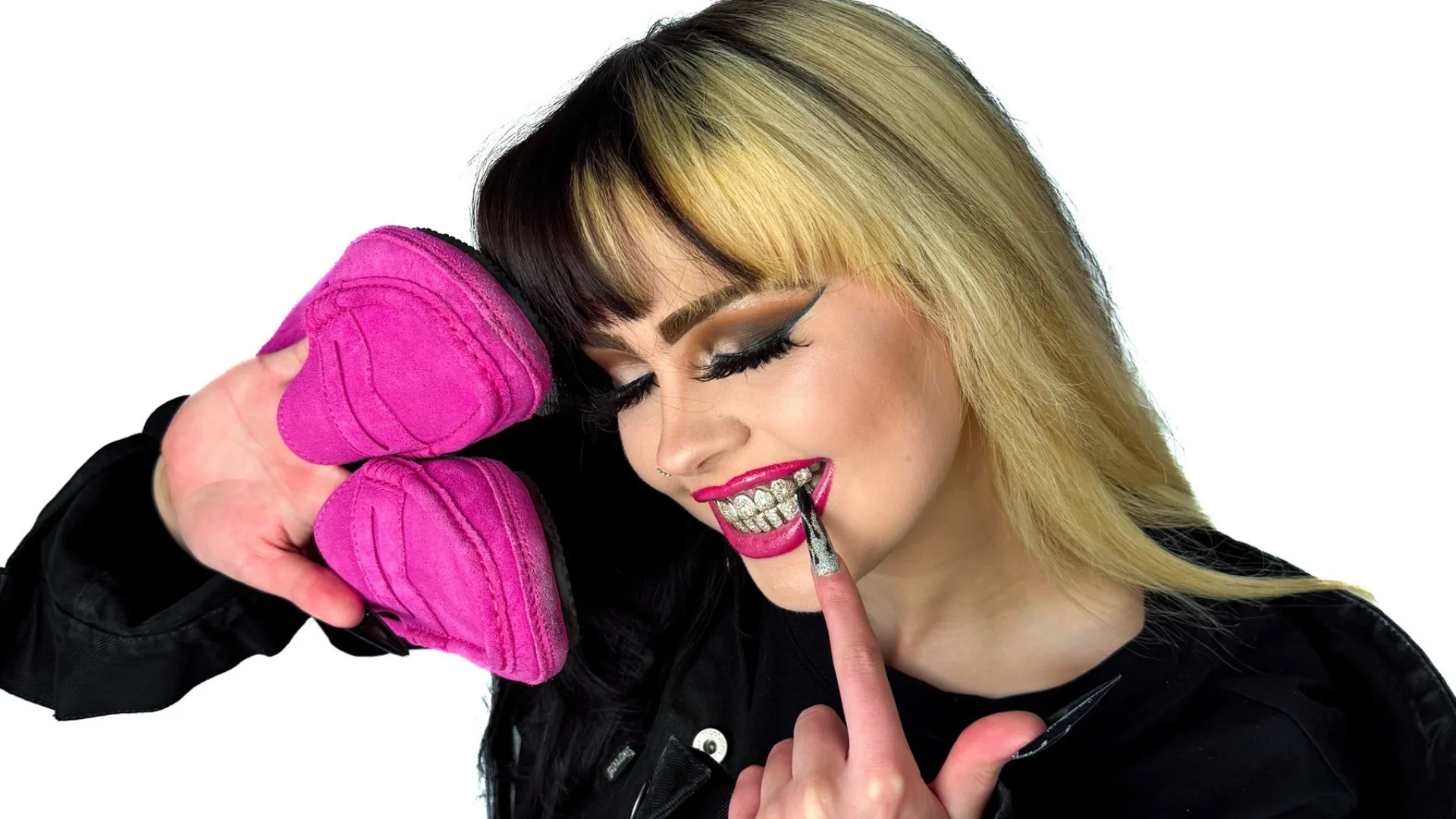
Recently, we had the opportunity to interview BABYG!RL ZAE, an emerging female rapper and the first lady of Emtee Records. We discussed her latest album, her journey with Emtee Records, and her role in the South African hip-hop scene. Read on for insights into her career and influences.
How does it feel to be the first lady of Emtee Records, moving with the guys who are always in the streets?
It feels good. I feel like I have a platform to really represent women, and I absolutely love that. Thank you so much for the opportunity, and a shoutout to Emtee.
How did the signing come about? Who approached who, and what led you to Emtee Records?
It’s quite a remarkable story. I had a song, which hasn’t been released yet, that I thought Emtee would be perfect for. After we collaborated in the studio, he expressed that he admired my talent and wanted me to join Emtee Records. Naturally, I was excited to accept.
For fans of Emtee Records who are just getting introduced to you, can you describe what it’s like to work with Emtee as a record label owner?
He brings a wealth of knowledge and perspective to South African trap music. His experience is invaluable, and learning from him has been incredibly beneficial. He often shares his insights during recording sessions and performances, which enhances our collaboration. It has been a fun and enlightening experience, and I am grateful for this opportunity.
How long have you been making music, and how would you describe your experience in the South African hip-hop industry so far?
I began my music journey at the age of 14, which was about seven years ago. It has been quite the adventure, filled with many experiences and connections. I appreciate all the support I’ve received. As a female artist, there are significant challenges, but I take pride in my South African heritage and aim to elevate our music scene.
You dropped a nine-track album, called Matr!archy, dedicated to women. Take us through the project – what inspired it, who you worked with and why you chose to only collaborate with women?
The concept originated in a discussion with my mother—shoutout to her. We emphasized the necessity for women in South Africa to have their voices amplified. Many women face significant struggles, and solidarity is essential.
I’ve interviewed many women from across South Africa, and I’ve asked what topics mattered most to them as women. Surprisingly, they all mentioned the same things.
These became the core themes of my project. I decided that an all-female collaboration was essential, allowing each artist to select topics that resonated with them. This approach is vital as collaboration among female artists is still limited.
Which song on the project holds a special place in your heart?
I can’t choose just one. Each song fits different moods, but the track that resonates deeply is ‘PURPLE & BLUES,’ featuring glockie. It addresses gender-based violence, a significant issue, particularly in light of the current Women for Change movement. During the recording, we both felt a sense of vulnerability. This song isn’t about blaming men; rather, it focuses on healing and ensuring that women are not viewed as perpetual victims. That message is very important to me.