Grammy winner’s tour adjustment amid backlash over anti-immigration protests and diplomatic strain
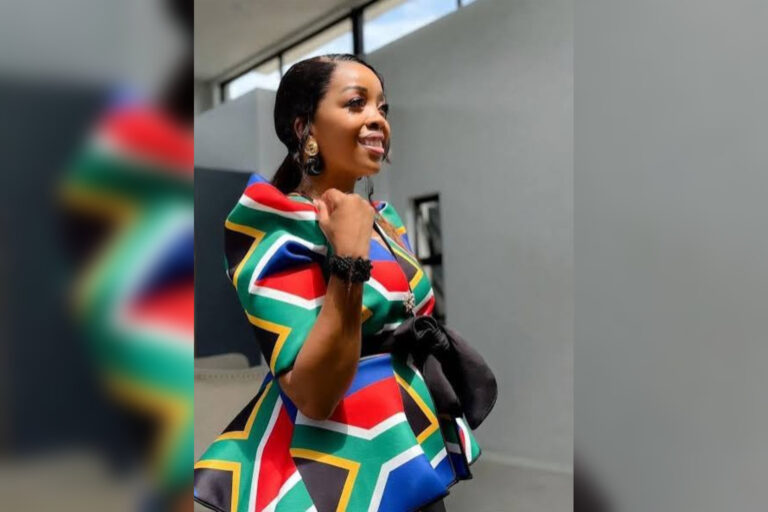
Tyla, the acclaimed South African musician, has discreetly canceled her scheduled concert in Lagos, part of her A*POP World Tour. This alteration follows rising tensions between South Africa and Nigeria stemming from anti-illegal migration demonstrations.
The Grammy-winning artist, best known for her breakout hit Water, has not provided a public reason for the omission of the Nigerian performance from her tour schedule. This decision comes in the wake of increasing criticism, boycott calls, and a digital petition urging concert organizers to cancel the event.
This situation positions one of Africa’s leading music talents amid a fraught political and social landscape, underscoring how regional tensions can infiltrate the entertainment sector.
Earlier this week, Tyla announced her eagerly awaited A*POP World Tour to promote her second studio album, initially set to include around 34 performances worldwide, including a December 22, 2026 show in Lagos during Nigeria’s festive season known as “Detty December.”
The Lagos concert was anticipated to be a highlight of the tour, before Tyla continued with shows in Cape Town and Johannesburg.
However, by Friday, fans observed that the Lagos date had been removed from the official tour itinerary, while all other international and South African performances remained intact.
Neither Tyla nor her team has issued a statement clarifying this change.
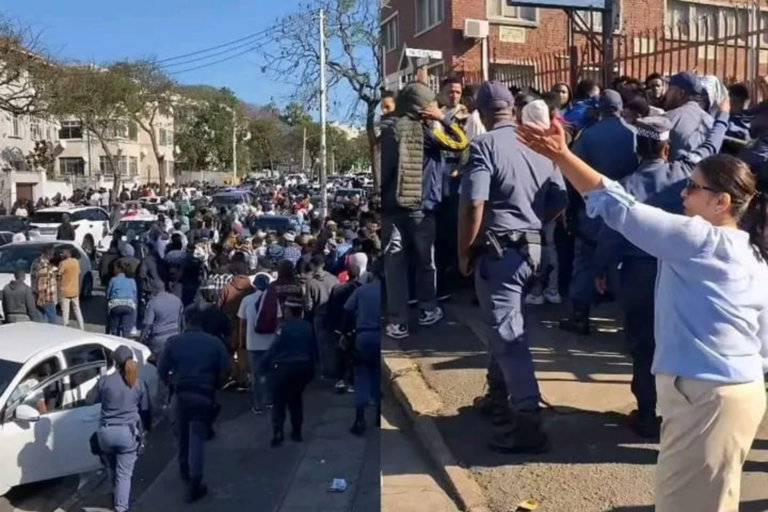
The canceled performance follows growing discontent among some Nigerians after protests in South Africa against illegal immigration garnered global attention.
Critics accused Tyla of silence amidst reports of violence against foreign nationals, particularly Nigerians. Many social media users have questioned the appropriateness of her performing in Nigeria without commenting on the ongoing situation.
A petition calling for her to be banned from performing until the protests ceased has garnered thousands of signatures. Influential Nigerian figures have also expressed their objections, maintaining that continuing with the concert could convey a problematic message during this tense period.
While no direct link has been confirmed between the public outcry and Tyla’s tour adjustment, the timing has led to significant speculation online.
This controversy unfolds against a backdrop of deteriorating relations between South Africa and Nigeria concerning issues of migration and xenophobia. Recent protests in South Africa have highlighted concerns over undocumented immigration, with claims that such migrants are exacerbating crime, job shortages, and strain on public services. Nigerians have found themselves particularly embroiled in this dialogue, leading to heightened scrutiny from Nigerian officials.
Diplomatic discussions between the two nations have reportedly intensified in response to increasing public unrest.
This latest controversy also brings to mind past xenophobic incidents, including the reported death of a Nigerian in Cape Town, inflaming public emotions further.
Tyla’s choice to withdraw the Lagos concert exemplifies how political issues can quickly impact the continent’s entertainment scene.
Artists performing in Africa are faced with navigating intricate social and political dynamics, where public sentiments often intersect with issues of identity, diplomacy, and human rights.
Currently, Tyla’s world tour is set to proceed, with scheduled performances in Europe, North America, Asia, and South Africa. However, the future of the Lagos concert remains uncertain. Unless an official announcement is made, the cancellation is likely to be a topic of considerable discussion among fans from both nations.
As diplomatic tensions persist, this incident serves as a reminder of the interplay between cultural exchange and the broader political context.