
South Africa will have another opportunity to secure a cricket World Cup victory in 2027 after previously falling short in four attempts on home turf.
The announcement of the local organising committee (LOC) board on Thursday marks another advancement in preparation for the 2027 Cricket World Cup.
As preparations unfold, the Proteas are also showing promising signs on the field, just two years ahead of their home tournament.
Among South Africa’s leading sports, the last occasion the nation celebrated a home World Cup win was in 1995 when the Springboks secured the Webb Ellis Cup.
On the cricketing front, South Africa has had four chances to clinch global titles on their own soil, but the Proteas have consistently underperformed.
During the 2003 World Cup, the men’s team failed to move beyond the pool stages, and at the 2007 T20 World Cup, they exited in the Super 8 stage.
The women’s team has fared slightly better, although they too have not succeeded. In the 2005 50-over World Cup, they were eliminated in the group stages, and despite reaching the final in the 2023 T20 World Cup, they fell short in a 19-run loss to Australia at Newlands.
Anticipating 2027
As they look towards the future, the Proteas men have much to strive for in hopes of breaking the streak of disappointment.
Their immediate focus will be on next year’s T20 World Cup, but the dream of the 2027 event will remain at the forefront of their aspirations.
Currently, their prospects appear promising, with a solid mix of youth and seasoned players.
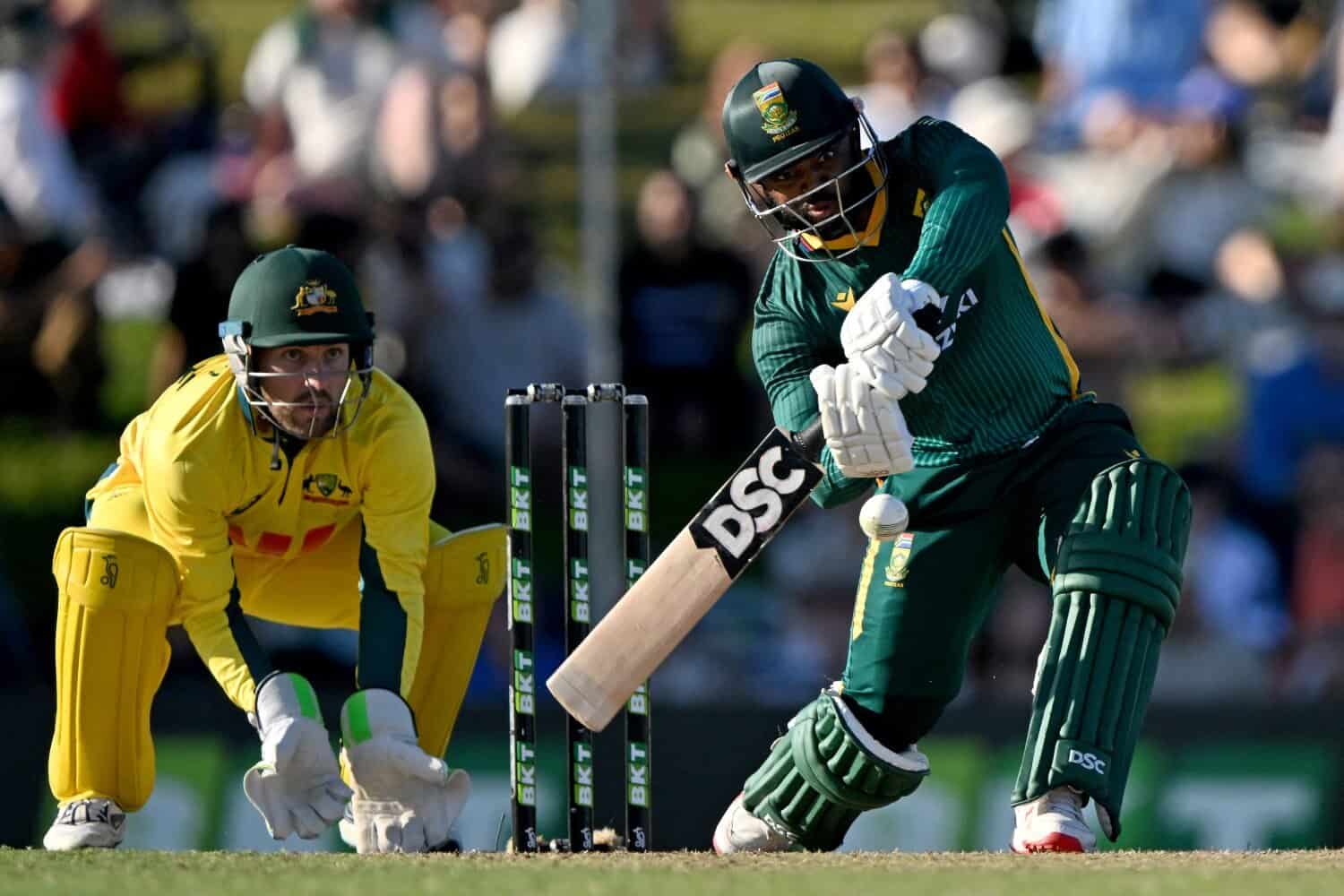
In their first ODI against Australia in Cairns on Tuesday, which was their first match in this format in over five months, the Proteas’ top order performed well, with three players scoring half-centuries. The bowling unit, despite the absence of key players Kagiso Rabada and Marco Jansen, functioned effectively, with spinner Keshav Maharaj leading the attack.
Although much can change before the 2027 World Cup, early signs indicate that South Africa could be a strong contender.
There is the possibility that, like the Springboks did three decades ago, they might deliver a storybook conclusion.