As a woman leading a hip-hop radio show, have you encountered any specific hurdles in gaining respect in a male-oriented environment?
I have been fortunate to not encounter any challenges related to my gender, which I attribute to my determined mindset.
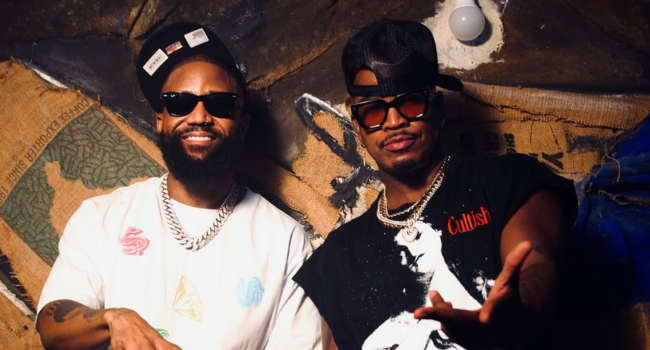
You refer to figures such as Tbo Touch, Nomuzi Mabena, Ney The Bae, the late Riky Rick, and Nicki Minaj as sources of inspiration. What insights have you gained from each of them that influence your professional journey?
Tbo Touch and Nicki Minaj have emphasized the significance of staying true to oneself and avoiding imitation. Ney The Bae has highlighted the necessity of establishing a personal brand. From Riky Rick, I’ve learned the importance of supporting future generations. These insights have significantly shaped my perspective on media and my career.
What is your assessment of the current landscape for women in African hip-hop, both as performers and behind the scenes?
I feel a sense of pride and inspiration from the women in hip-hop today. They are clear about their aspirations and actively pursue them. It’s encouraging to witness more women participating in hip-hop, a field that previously had limited female representation. Now, we are claiming our space and establishing our identities.
Which women in South African hip-hop do you believe deserve greater acknowledgment than they currently receive, and why?
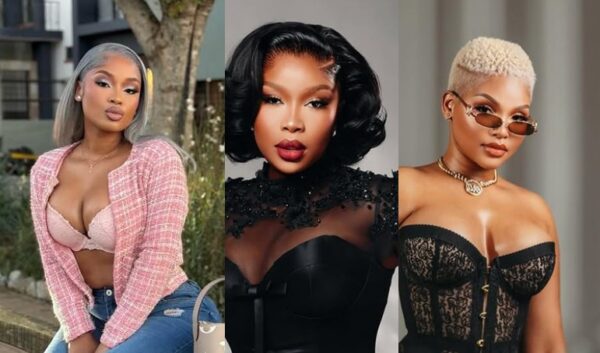
I would mention Nadia Nakai, who has been active in the industry for some time. Her talent is remarkable, and her lyrical skills are impressive. Nomuzi Mabena is also noteworthy—her contributions span branding to styling, embodying the essence of hip-hop. Both of these women are incredibly hardworking, which greatly inspires me.
From your interviews, what is a common challenge that emerging artists, particularly women, continue to encounter?
Many up-and-coming artists find it difficult to gain visibility, have their music heard, and effectively market their brand to wider audiences.
Community radio serves as an initial outlet for numerous artists. How crucial do you find stations like Thabantsho FM in nurturing future hip-hop talent?
Community radio stations such as Thabantsho FM are essential for providing local artists with exposure to the broader music industry. We offer them a platform for interviews and also feature their music, aiding in their fanbase growth and marketing. Furthermore, we create opportunities for them to perform at our events.
In addition to radio, you are involved with the Community Sports Development Agency (CSDA). How do media and community initiatives work together to create opportunities for young people?
When Karabo and I established the Community Sports Development Agency, our goal was to empower children in rural areas, emphasizing the idea that “black child, it is possible.” We aim to inspire and mentor these youth by providing guidance and support for their future endeavors.
You’ve played a role in creating opportunities through music while also helping children obtain education by donating school shoes. What drives you to assist your community?
My motivation stems from my passion for my work. I did not engage with non-profit organizations for profit, but rather to effect positive change in my community. I aspire to expose younger generations to opportunities that I was unaware of at their age. Helping children in need brings me joy, and that is what keeps me energized each day.
Hip-hop has traditionally focused on storytelling and societal issues. Do you believe that today’s artists still use their platforms to discuss challenges facing their communities?
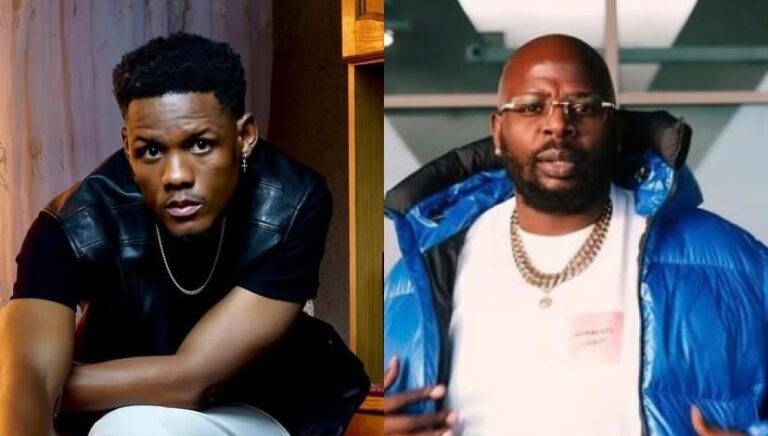
I’m proud of how emerging artists utilize Instagram to highlight the various issues they confront. Consider X Wolf from Motetema—his music resonates by narrating his personal struggles. Then there’s Paper Triumvert from the Free State, whose songs reflect his community’s challenges. Lastly, Teeblow from Mamelodi also addresses the difficulties he faces in his neighborhood through rap. They are undoubtedly harnessing their voices to promote social change.
Being from Limpopo, how would you characterize the evolution of the province’s hip-hop scene in recent years?
I would assert that hip-hop is flourishing in Limpopo. Artists are not merely attempting to mimic figures like Lil Wayne or perform in English; they are embracing their identities and composing music in their native languages.
If you could assemble your ideal Hip & Happening panel featuring three women in African hip-hop, who would you select, and what topics would you discuss with them?
For my dream panel, I would choose Nomuzi Mabena, Nadia Nakai, and Ney The Bae. We would converse about the challenges women encounter in the industry and strategies to overcome them—such as increasing female representation in hip-hop and building strong, relatable brands for girls worldwide.
What guidance would you offer to young women aspiring to become radio presenters, DJs, or media personalities within hip-hop culture?
I would encourage young women to chase their dreams and remain determined. Hard work is essential because opportunities are out there waiting for you—you simply need to seek them out. Nothing is handed to you; you must take the initiative.
Looking ahead, what plans do you have for the future, and what legacy do you wish to establish in both African hip-hop and your community?
I have numerous aspirations. I aim to appear on television and am currently developing a podcast, so stay tuned for that. I hope to be remembered as a young woman who started from humble beginnings and pursued her dreams with tenacity. I want to inspire young women across the country, demonstrating that their backgrounds do not have to define their futures.
Are you active on social media?
You can find me on Instagram: @Hlonie_the_goddess.